THE ADVENTURE COLLECTIVE® · Independent discovery and booking for outdoor travel

Walk Cardiff Bay with GPS-triggered audio that points out Doctor Who and Torchwood filming spots. This 90–120 minute self-guided route combines waterfront architecture, reclaimed wetlands, and media-history insights.
Walk Cardiff Bay with GPS-triggered audio that points out Doctor Who and Torchwood filming spots. This 90–120 minute self-guided route combines waterfront architecture, reclaimed wetlands, and media-history insights.
You step onto the broad waterfront path as gulls wheel over the low tide, the Millennium Centre’s dark bronze face catching light like a stage curtain ready to rise. Cardiff Bay unfolds as a living film set: modern glass and civic architecture rubbing shoulders with Victorian brick, old docks, and the occasional familiar doorway from a Doctor Who episode.
Verified experiences and guided adventures in the surrounding area.
Operated by VoiceMap Audio Tours · Cardiff, Wales
You step onto the broad waterfront path as gulls wheel over the low tide, the Millennium Centre’s dark bronze face catching light like a stage curtain ready to rise. Cardiff Bay unfolds as a living film set: modern glass and civic architecture rubbing shoulders with Victorian brick, old docks, and the occasional familiar doorway from a Doctor Who episode.
This self-guided audio tour maps that on-screen history onto real streets. The route threads past landmark locations—coal-export warehouses turned cultural venues, the ornate Coal Exchange, the modern Senedd, and the Norwegian Church—each a stop where writers, producers, and crews shaped scenes that reached global audiences. Geologically, the bay sits on reclaimed tidal flats reshaped by the Cardiff Bay Barrage; its wetlands and mudflats tell a story of industrial-era shipping, land reclamation, and contemporary habitat restoration.
Culturally the area balances Welsh civic life with a growing media hub: Bad Wolf Studios and other facilities helped turn Wales into a major production centre, creating local jobs and creative energy.
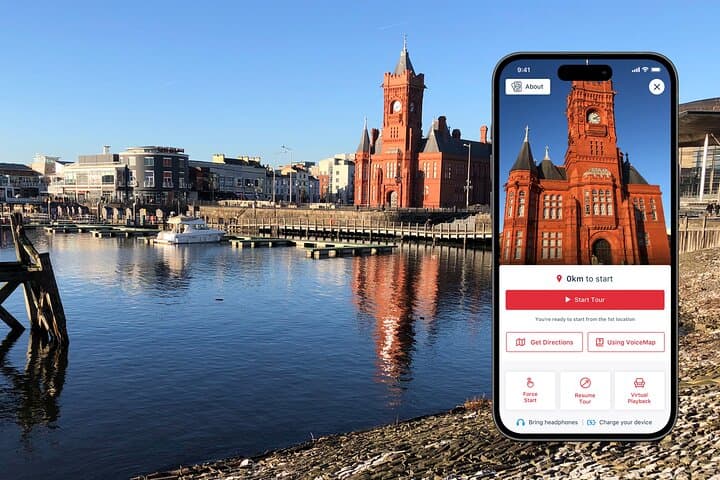
Practically, the tour runs 90–120 minutes and uses GPS-triggered audio on a mobile app, letting you pause for coffee at the Norwegian Church or duck into a historic pub. Paths are mostly paved and flat but expect boardwalks and occasional cobbles; interior access (Coal Exchange, museums) depends on opening times. Bring a charged phone with offline audio and a light waterproof layer—Cardiff weather can change fast. Plan for mid-morning or late-afternoon light to get the best vistas and fewer crowds.
easy.
1.5–2 hours.
Suitable for people who can walk 2–3 miles on mostly flat terrain; minimal stamina required
Expect 90 to 120 minutes depending on stops; allow extra time to enter museums, cafes, or pubs.
No—download the audio and maps beforehand for offline use; GPS still works without mobile data on most devices.
Much of the waterfront is accessible and flat, but some cobbled areas and boardwalks may be uneven; check specific sites for step-free entry.
Yes, some sites like the Coal Exchange and the Norwegian Church have interior exhibits, but opening hours vary so verify before you plan to enter.
Cardiff Bay grew from a 19th-century coal-exporting port; extensive 20th-century reclamation and the 1999 Cardiff Bay Barrage transformed tidal flats into the present waterfront.
The Bay Wetlands Reserve is part of ongoing habitat restoration to support wading birds and improve water quality—respect signage and stay on paths to protect sensitive areas.
VoiceMap Audio Tours operates guided outdoor trips and adventures with an emphasis on safety, stewardship, and memorable experiences.
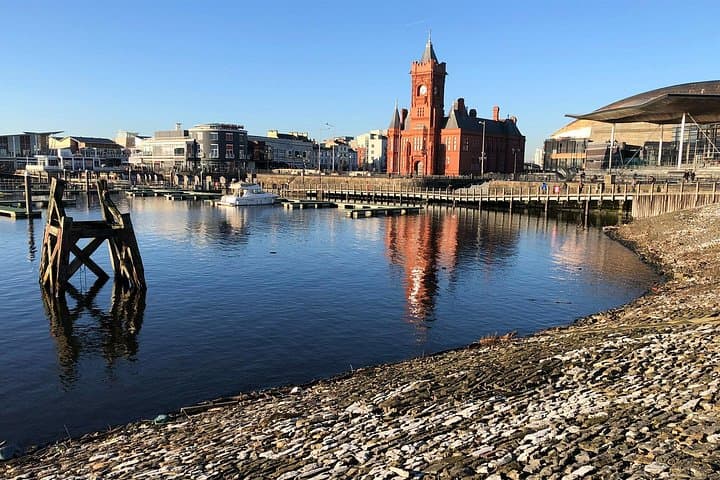
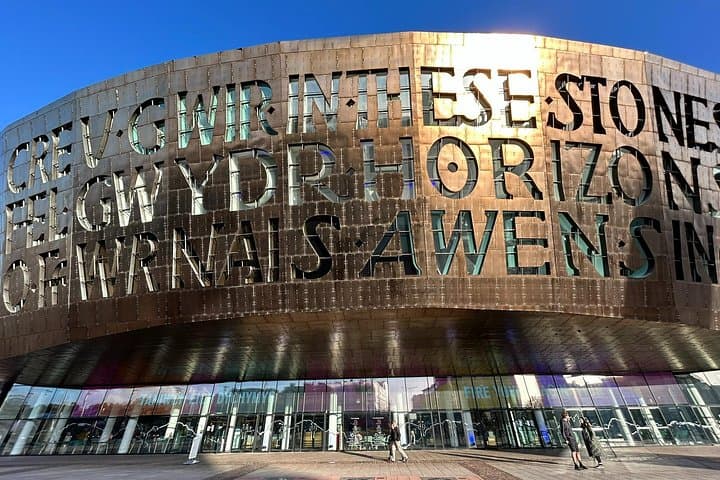
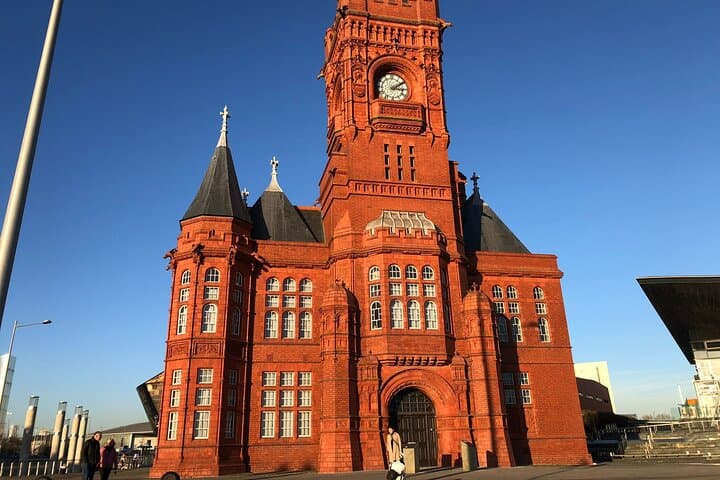
You step onto the broad waterfront path as gulls wheel over the low tide, the Millennium Centre’s dark bronze face catching light like a stage curtain ready to rise. Cardiff Bay unfolds as a living film set: modern glass and civic architecture rubbing shoulders with Victorian brick, old docks, and the occasional familiar doorway from a Doctor Who episode.
You step onto the broad waterfront path as gulls wheel over the low tide, the Millennium Centre’s dark bronze face catching light like a stage curtain ready to rise. Cardiff Bay unfolds as a living film set: modern glass and civic architecture rubbing shoulders with Victorian brick, old docks, and the occasional familiar doorway from a Doctor Who episode.
This self-guided audio tour maps that on-screen history onto real streets. The route threads past landmark locations—coal-export warehouses turned cultural venues, the ornate Coal Exchange, the modern Senedd, and the Norwegian Church—each a stop where writers, producers, and crews shaped scenes that reached global audiences. Geologically, the bay sits on reclaimed tidal flats reshaped by the Cardiff Bay Barrage; its wetlands and mudflats tell a story of industrial-era shipping, land reclamation, and contemporary habitat restoration.
Culturally the area balances Welsh civic life with a growing media hub: Bad Wolf Studios and other facilities helped turn Wales into a major production centre, creating local jobs and creative energy.
Practically, the tour runs 90–120 minutes and uses GPS-triggered audio on a mobile app, letting you pause for coffee at the Norwegian Church or duck into a historic pub. Paths are mostly paved and flat but expect boardwalks and occasional cobbles; interior access (Coal Exchange, museums) depends on opening times. Bring a charged phone with offline audio and a light waterproof layer—Cardiff weather can change fast. Plan for mid-morning or late-afternoon light to get the best vistas and fewer crowds.