THE ADVENTURE COLLECTIVE® · Independent discovery and booking for outdoor travel

Spend a private day exploring Göreme’s open‑air museums, underground cities, Uçhisar panorama and Avanos pottery studio. This guided tour pairs geology, history and hands‑on culture with hotel pickup and local insight.
Spend a private day exploring Göreme’s open‑air museums, underground cities, Uçhisar panorama and Avanos pottery studio. This guided tour pairs geology, history and hands‑on culture with hotel pickup and local insight.
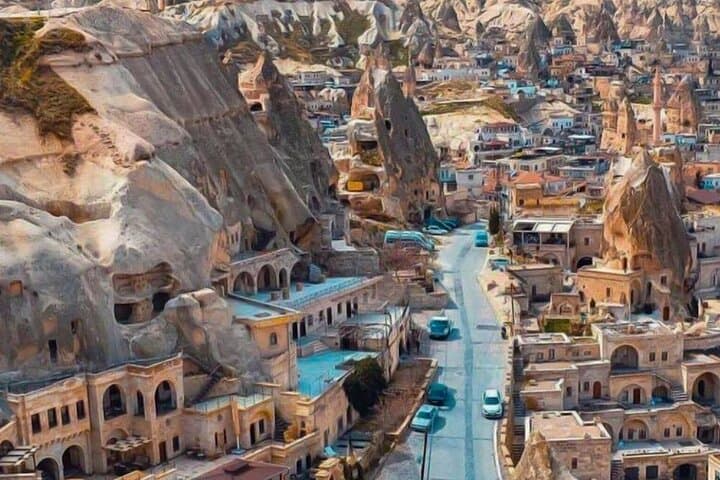
Morning light slices across the volcanic spires as a private guide opens a sun-warmed door to Cappadocia's rock-carved world. Guests step into a landscape that seems to move — fairy chimneys pointing like carved fingers, valleys that push you forward, and cave villages that have listened to centuries of wind and footsteps.
Verified experiences and guided adventures in the surrounding area.
Operated by Ephesus Tour Company · Göreme, Nevşehir Province
Morning light slices across the volcanic spires as a private guide opens a sun-warmed door to Cappadocia's rock-carved world. Guests step into a landscape that seems to move — fairy chimneys pointing like carved fingers, valleys that push you forward, and cave villages that have listened to centuries of wind and footsteps.
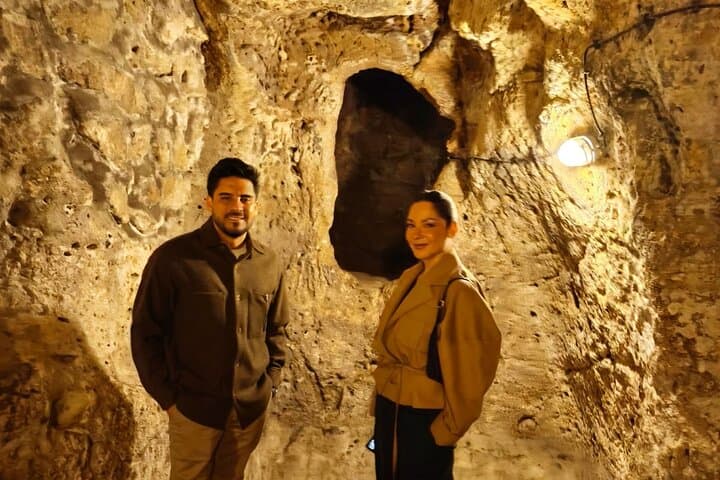
This private guided tour moves through the region’s layered history: Byzantine churches at Göreme Open‑Air Museum, centuries-old troglodyte settlements in an underground city (often Kaymakli or Derinkuyu), and the Ottoman-era pottery tradition in Avanos where the red clay still tells a story of the Anatolian plateau’s volcanic past. Geology here is blunt and readable — tuff from ancient eruptions eroded into towers and soft caves that people hollowed into homes and workshops.
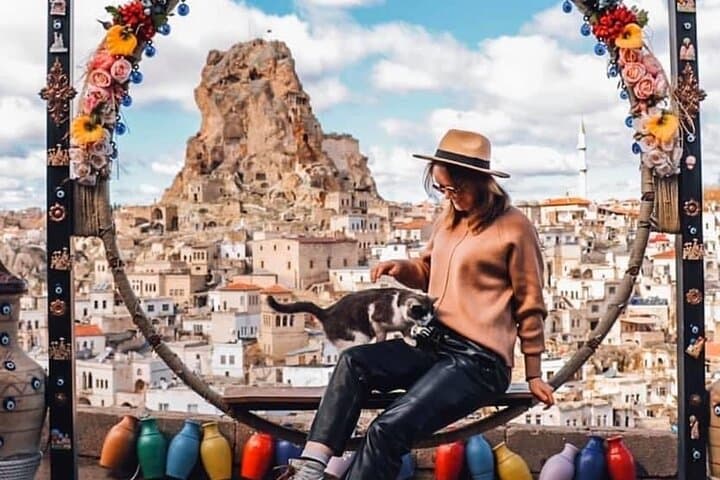
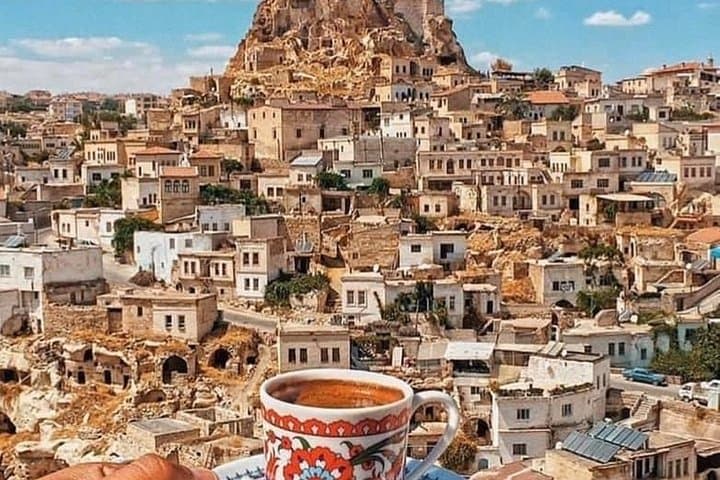
Culture arrives at a wheel in a small atelier: an elder potter demonstrates a kick-wheel technique and invites visitors to shape a souvenir with their own hands. Uçhisar Castle offers a panoramic stop where basalt and tuff trade places beneath wide Central Anatolian skies.
Practicalities: plan for a 5–9 hour private tour with included hotel pickup and transfers; bring cash for site admissions (not always included), comfortable walking shoes, sun protection, and at least 1.5–2 liters of water. The route involves uneven stone, short stairs in cave churches, and light walking between viewpoints. Aim for morning or late afternoon light for photos and cooler temperatures. With a local guide you get pacing, historical context, and access to a working pottery studio — the kind of hands‑on cultural exchange that makes Cappadocia more than a postcard.
easy.
5–9 hours.
Suitable for most fitness levels; involves standing, short walks on uneven terrain and steps.
Admissions to museums and underground cities are often not included — bring cash or card to cover site tickets as directed by your guide.
Yes — the tour lists transfers and a hotel welcome as included; confirm pickup time and location when you book.
A minimum of two people per booking is required; the tour is private to your party once booked.
Yes — the Old Master in Avanos typically demonstrates techniques and can let guests try the kick‑wheel and create a keepsake for an additional fee.
Cappadocia’s carved habitations and cave churches were shaped by soft tuff laid down after volcanic eruptions millions of years ago; communities adapted those formations into livable spaces across Byzantine and Ottoman eras.
Tour operators encourage staying on marked paths and avoiding climbing fragile fairy chimneys; choose guides who support restoration and local artisan economies.
Ephesus Tour Company operates guided outdoor trips and adventures with an emphasis on safety, stewardship, and memorable experiences.
Morning light slices across the volcanic spires as a private guide opens a sun-warmed door to Cappadocia's rock-carved world. Guests step into a landscape that seems to move — fairy chimneys pointing like carved fingers, valleys that push you forward, and cave villages that have listened to centuries of wind and footsteps.
Morning light slices across the volcanic spires as a private guide opens a sun-warmed door to Cappadocia's rock-carved world. Guests step into a landscape that seems to move — fairy chimneys pointing like carved fingers, valleys that push you forward, and cave villages that have listened to centuries of wind and footsteps.
This private guided tour moves through the region’s layered history: Byzantine churches at Göreme Open‑Air Museum, centuries-old troglodyte settlements in an underground city (often Kaymakli or Derinkuyu), and the Ottoman-era pottery tradition in Avanos where the red clay still tells a story of the Anatolian plateau’s volcanic past. Geology here is blunt and readable — tuff from ancient eruptions eroded into towers and soft caves that people hollowed into homes and workshops.
Culture arrives at a wheel in a small atelier: an elder potter demonstrates a kick-wheel technique and invites visitors to shape a souvenir with their own hands. Uçhisar Castle offers a panoramic stop where basalt and tuff trade places beneath wide Central Anatolian skies.
Practicalities: plan for a 5–9 hour private tour with included hotel pickup and transfers; bring cash for site admissions (not always included), comfortable walking shoes, sun protection, and at least 1.5–2 liters of water. The route involves uneven stone, short stairs in cave churches, and light walking between viewpoints. Aim for morning or late afternoon light for photos and cooler temperatures. With a local guide you get pacing, historical context, and access to a working pottery studio — the kind of hands‑on cultural exchange that makes Cappadocia more than a postcard.