THE ADVENTURE COLLECTIVE® · Independent discovery and booking for outdoor travel

Cover the highlights of Cappadocia in a single, expertly driven day: underground cities, fairy chimneys, carved monasteries and moonscape rock formations. This private guided vehicle tour is designed for photographers and curious travelers who want efficient logistics, local commentary and the best light.
Cover the highlights of Cappadocia in a single, expertly driven day: underground cities, fairy chimneys, carved monasteries and moonscape rock formations. This private guided vehicle tour is designed for photographers and curious travelers who want efficient logistics, local commentary and the best light.
You start before dawn, the rental van easing out of Göreme while the moon bleeds into the horizon. The guide—local, steady-voiced—offers a quick plan: an underground city, pigeon-perforated slopes, a moonscape of carved cones and the open-air churches where frescoes still hold their color. In the course of a single day the Cappadocian landscape keeps changing its role: shelter, farm, monastery and finally theatre.
Verified experiences and guided adventures in the surrounding area.
Operated by Smart Turkey Tours · Göreme, Nevşehir
You start before dawn, the rental van easing out of Göreme while the moon bleeds into the horizon. The guide—local, steady-voiced—offers a quick plan: an underground city, pigeon-perforated slopes, a moonscape of carved cones and the open-air churches where frescoes still hold their color. In the course of a single day the Cappadocian landscape keeps changing its role: shelter, farm, monastery and finally theatre.
Geology writes the script here. Layers of volcanic tuff, deposited millions of years ago, were softened by rain and wind into honeycombed valleys and chimney-like cones. People read those layers as opportunity: Hittites, early Christians and later villagers hollowed rooms and carved pigeon houses into the rock, turning raw stone into functional architecture. Ozkonak Underground City—one of the tour's first stops—still smells faintly of damp stone and centuries of hands. Its storage rooms, churches and ventilation chimneys explain why entire communities once went below ground to survive raids.
Cultural traces appear at every turn. Pigeon droppings once fertilized the vineyards that clung to valley floors; today potters in nearby Avanos still throw clay that remembers the same volcanic soil. The Goreme Open-Air Museum holds painted churches where monks painted biblical scenes into domes and apses—images that remained intact underground until daylight returned.
Practical rhythm matters: the route is compact but paced—90 minutes at Ozkonak, a photo stop at Pigeon Valley, lunch and then Pasabag’s monumental cones, a quick look at Devrent’s animal rocks and an hour among the cave churches of the Goreme Museum. Expect short walks on uneven paths, some low tunnels and stepped approaches; the vehicle shuttles you between points so you conserve energy for exploration.
To get the best day here, time your shots for early morning and late afternoon when the chimneys throw long shadows and the tuff warms to ochre. Wear sturdy shoes with good tread—soft volcanic dust becomes slippery on descents—and bring a reusable water bottle; parts of the itinerary are exposed to sun. The guide will handle logistics and commentary, but bring curiosity: ask about local pottery, the underground defense mechanisms and how villages adapt as tourism grows.
A one-day tour in Cappadocia compresses a region's deep time into human stories. It’s a practical, sensory plunge into landscape and labor: cave-cut kitchens, monk cells, pigeon houses and panoramic viewpoints. For travelers who want a concentrated, expertly driven introduction—plus the kind of photographs that look impossible—this private, guided vehicle loop gets you there and explains how the land made the people, and the people made home of the land.
moderate.
8 hours.
Moderate level of fitness—able to walk short uneven trails and climb low steps in underground passages.
This is an approximately 8-hour private tour with hotel pickup and drop-off included.
Some sites like Ozkonak and Goreme Open-Air Museum may require separate entrance fees; confirm with the operator before travel.
Yes—hotel pickup and drop-off across Göreme and nearby towns are included; provide your exact hotel name at booking.
Infant seats are available and strollers are possible for short paths, but underground city tunnels have narrow passages not ideal for very small children.
Wear sturdy closed-toe shoes, sun protection and layered clothing for temperature swings between valleys and early morning.
Tipping guides and drivers is appreciated; 10–15% of the tour price is a common guideline if the service was good.
Cappadocia’s carved spaces date to Hittite times and were expanded by early Christians who used underground cities and rock churches for refuge and worship.
The soft tuff is fragile; follow marked paths, avoid climbing chimneys and support local guides who help manage visitor impact.
Smart Turkey Tours operates guided outdoor trips and adventures with an emphasis on safety, stewardship, and memorable experiences.


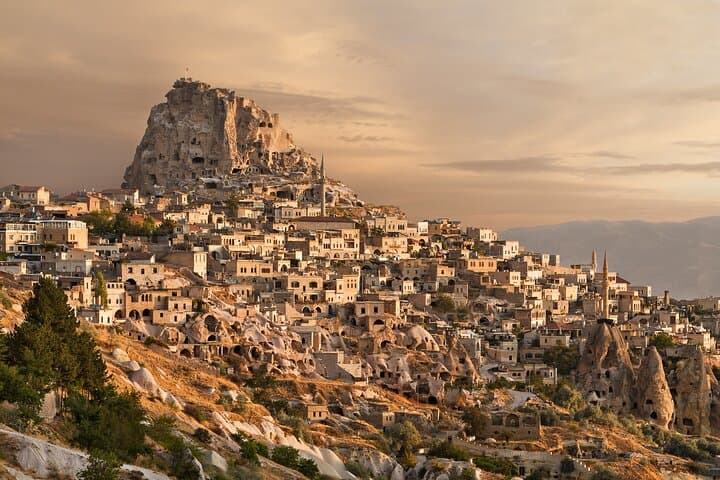

You start before dawn, the rental van easing out of Göreme while the moon bleeds into the horizon. The guide—local, steady-voiced—offers a quick plan: an underground city, pigeon-perforated slopes, a moonscape of carved cones and the open-air churches where frescoes still hold their color. In the course of a single day the Cappadocian landscape keeps changing its role: shelter, farm, monastery and finally theatre.
You start before dawn, the rental van easing out of Göreme while the moon bleeds into the horizon. The guide—local, steady-voiced—offers a quick plan: an underground city, pigeon-perforated slopes, a moonscape of carved cones and the open-air churches where frescoes still hold their color. In the course of a single day the Cappadocian landscape keeps changing its role: shelter, farm, monastery and finally theatre.
Geology writes the script here. Layers of volcanic tuff, deposited millions of years ago, were softened by rain and wind into honeycombed valleys and chimney-like cones. People read those layers as opportunity: Hittites, early Christians and later villagers hollowed rooms and carved pigeon houses into the rock, turning raw stone into functional architecture. Ozkonak Underground City—one of the tour's first stops—still smells faintly of damp stone and centuries of hands. Its storage rooms, churches and ventilation chimneys explain why entire communities once went below ground to survive raids.
Cultural traces appear at every turn. Pigeon droppings once fertilized the vineyards that clung to valley floors; today potters in nearby Avanos still throw clay that remembers the same volcanic soil. The Goreme Open-Air Museum holds painted churches where monks painted biblical scenes into domes and apses—images that remained intact underground until daylight returned.
Practical rhythm matters: the route is compact but paced—90 minutes at Ozkonak, a photo stop at Pigeon Valley, lunch and then Pasabag’s monumental cones, a quick look at Devrent’s animal rocks and an hour among the cave churches of the Goreme Museum. Expect short walks on uneven paths, some low tunnels and stepped approaches; the vehicle shuttles you between points so you conserve energy for exploration.
To get the best day here, time your shots for early morning and late afternoon when the chimneys throw long shadows and the tuff warms to ochre. Wear sturdy shoes with good tread—soft volcanic dust becomes slippery on descents—and bring a reusable water bottle; parts of the itinerary are exposed to sun. The guide will handle logistics and commentary, but bring curiosity: ask about local pottery, the underground defense mechanisms and how villages adapt as tourism grows.
A one-day tour in Cappadocia compresses a region's deep time into human stories. It’s a practical, sensory plunge into landscape and labor: cave-cut kitchens, monk cells, pigeon houses and panoramic viewpoints. For travelers who want a concentrated, expertly driven introduction—plus the kind of photographs that look impossible—this private, guided vehicle loop gets you there and explains how the land made the people, and the people made home of the land.