THE ADVENTURE COLLECTIVE® · Independent discovery and booking for outdoor travel

Walk a short trail to 1,000–1,500-year-old pyramids built to track sun and moon cycles, then return to San Miguel’s cobbled streets for local food and colonial highlights. A practical full-day combining archaeology, geology and regional cuisine.
Walk a short trail to 1,000–1,500-year-old pyramids built to track sun and moon cycles, then return to San Miguel’s cobbled streets for local food and colonial highlights. A practical full-day combining archaeology, geology and regional cuisine.
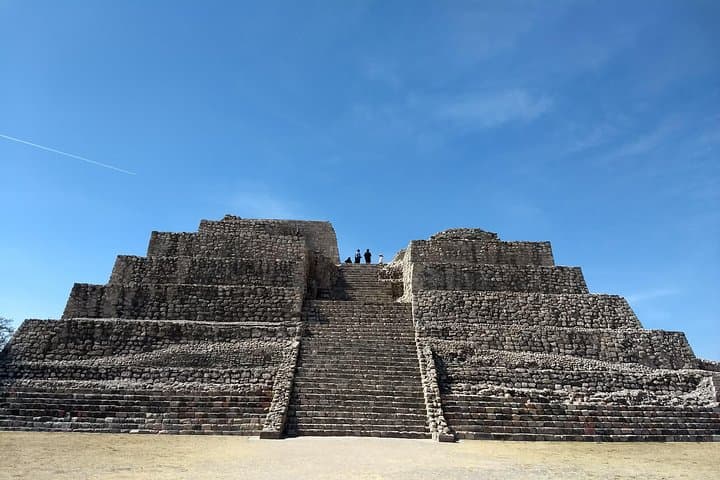
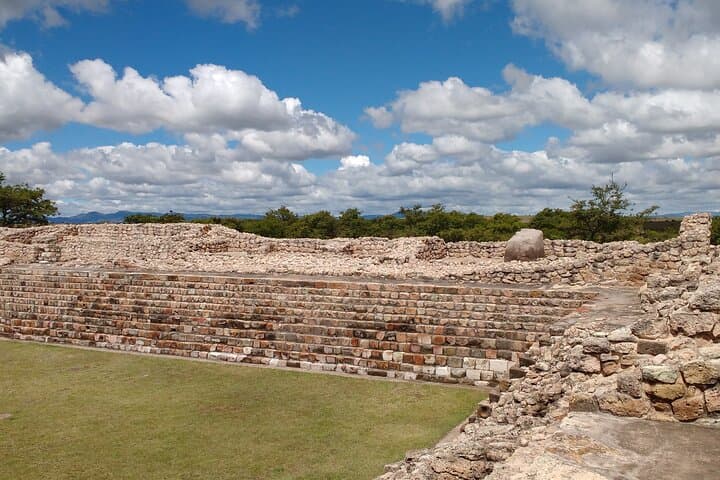
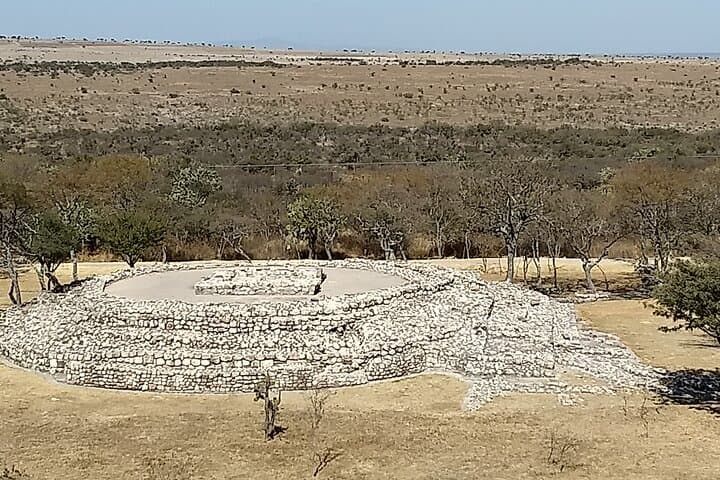
The morning light over the Guanajuato highlands cuts across low scrub and ochre earth as a small bus pulls off a country road and deposits you a short walk from a long-quiet plaza of stone. You step onto a packed dirt track and walk a kilometer toward low, stepped mounds—the Cañada de la Virgen pyramids—where shadow and angle were used as the original calendar.
Verified experiences and guided adventures in the surrounding area.
Operated by Aaron Trejo · San Miguel de Allende, Guanajuato
The morning light over the Guanajuato highlands cuts across low scrub and ochre earth as a small bus pulls off a country road and deposits you a short walk from a long-quiet plaza of stone. You step onto a packed dirt track and walk a kilometer toward low, stepped mounds—the Cañada de la Virgen pyramids—where shadow and angle were used as the original calendar.
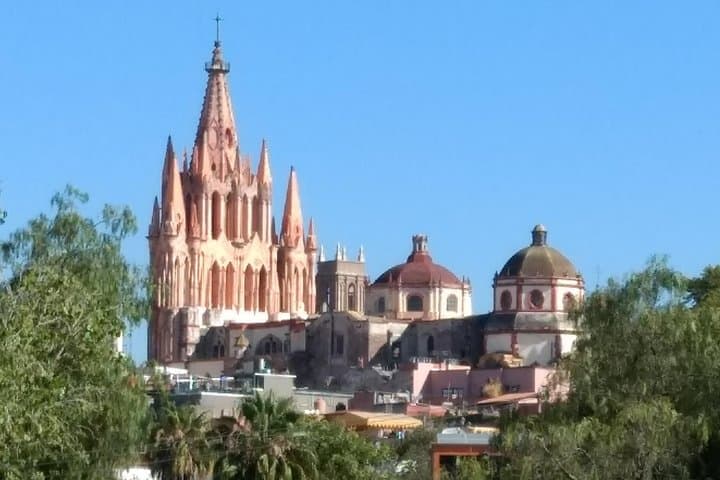
This archaeological site dates from roughly 1,000–1,500 years ago and was aligned to the sun and moon to mark seasonal change. The complex sits on a plateau of volcanic-derived soils; sandstone and compacted earth form the platforms visitors climb and study. Nearby San Miguel de Allende adds colonial contrast: cobbled streets, a baroque parish church, artisan markets and plazas shaped by centuries of migration and craft. Lunch at a local home-restaurant highlights regional staples—handmade tortillas, native herbs and dishes rooted in the long agricultural history of the Bajío.
Practical guidance: expect about 1 km of walking on uneven ground at roughly 1,900 m elevation; the pyramids portion runs about two hours including short shuttle segments, and the full experience returns you to San Miguel for a two-hour city walk within an eight-hour day. Bring layered sun protection, at least 1–2 liters of water, sturdy shoes, and respect site rules: stay on paths and follow the guide. The tour is best scheduled for morning to avoid midday sun and to keep the city visit in cooler late afternoon light.
moderate.
8 hours.
Moderate fitness — able to walk short uneven stretches, manage several stair/step sections, and tolerate high-altitude sun.
The walk from the drop-off to the site is about 1 kilometer (roughly 3,300 feet) on an uneven dirt track and takes around 15–25 minutes each way.
Travelers should have a moderate level of fitness; the operator limits bookings to a maximum of three people and advises against participation for those with serious heart or spinal conditions and for pregnant travelers.
Yes — lunch at Rossana’s uses local ingredients and handmade tortillas; the meal is family-style and showcases regional cooking traditions tied to the area’s agricultural history.
After the pyramids and lunch, the itinerary includes about two hours walking through San Miguel’s central highlights: the parish church, Juárez Park and artisan markets.
Cañada de la Virgen was an ancient ceremonial center aligned to celestial cycles; regional inhabitants used architecture to observe and predict seasonal change.
Visitors are asked to stay on marked paths, avoid touching structures, and support local guides and eateries to help sustain the site’s protection and the community economy.
Aaron Trejo operates guided outdoor trips and adventures with an emphasis on safety, stewardship, and memorable experiences.
The morning light over the Guanajuato highlands cuts across low scrub and ochre earth as a small bus pulls off a country road and deposits you a short walk from a long-quiet plaza of stone. You step onto a packed dirt track and walk a kilometer toward low, stepped mounds—the Cañada de la Virgen pyramids—where shadow and angle were used as the original calendar.
The morning light over the Guanajuato highlands cuts across low scrub and ochre earth as a small bus pulls off a country road and deposits you a short walk from a long-quiet plaza of stone. You step onto a packed dirt track and walk a kilometer toward low, stepped mounds—the Cañada de la Virgen pyramids—where shadow and angle were used as the original calendar.
This archaeological site dates from roughly 1,000–1,500 years ago and was aligned to the sun and moon to mark seasonal change. The complex sits on a plateau of volcanic-derived soils; sandstone and compacted earth form the platforms visitors climb and study. Nearby San Miguel de Allende adds colonial contrast: cobbled streets, a baroque parish church, artisan markets and plazas shaped by centuries of migration and craft. Lunch at a local home-restaurant highlights regional staples—handmade tortillas, native herbs and dishes rooted in the long agricultural history of the Bajío.
Practical guidance: expect about 1 km of walking on uneven ground at roughly 1,900 m elevation; the pyramids portion runs about two hours including short shuttle segments, and the full experience returns you to San Miguel for a two-hour city walk within an eight-hour day. Bring layered sun protection, at least 1–2 liters of water, sturdy shoes, and respect site rules: stay on paths and follow the guide. The tour is best scheduled for morning to avoid midday sun and to keep the city visit in cooler late afternoon light.