THE ADVENTURE COLLECTIVE® · Independent discovery and booking for outdoor travel

A focused, four-hour group tour through Cairo’s National Museum of Egyptian Civilization offers a clear timeline of Egyptian history—from prehistoric tools to royal mummies. Practical tips and nearby cultural stops make this a compact cultural day in Old Cairo.
A focused, four-hour group tour through Cairo’s National Museum of Egyptian Civilization offers a clear timeline of Egyptian history—from prehistoric tools to royal mummies. Practical tips and nearby cultural stops make this a compact cultural day in Old Cairo.
You step from the street into a hall that measures time by objects: bronze tools, painted shrouds and a corridor lined with cartonnage that feels both clinical and intimate.
Verified experiences and guided adventures in the surrounding area.
Operated by Virtue Day Tours · Cairo, Cairo Governorate
You step from the street into a hall that measures time by objects: bronze tools, painted shrouds and a corridor lined with cartonnage that feels both clinical and intimate.
The National Museum of Egyptian Civilization (NMEC) in Old Cairo traces Egypt’s arc from prehistoric communities through Pharaonic, Greco-Roman, Coptic and Islamic eras. The museum’s chronological layout and the Royal Mummies Hall make it a compact primer on the Nile valley’s long habitability—its human stories set on the floodplain left by centuries of sediment and agricultural cycles.
Culturally, NMEC is designed around access: multilingual labels, thematic galleries and displays that emphasize daily life as much as royal spectacle. Nearby, Coptic Cairo and the early Islamic remains of Fustat underline how Cairo grew outward from the river’s edge. Geology is quiet here but present: the Nile’s annual rhythms shaped settlement, burial practices and the mud-brick architecture whose fragments sit behind glass.
Practical guidance: allow about four hours to move at a relaxed pace and join a guided tour for deeper context. Photography rules vary by gallery—look for signage—and the museum is climate-controlled to protect fragile pigments and mummies. Public transport and arranged pickup are common ways to reach the site; parking is limited.
Bring hydration and comfortable shoes for tiled galleries, and plan follow-up visits to nearby historic sites to connect artifacts with streets and structures where those objects were used. NMEC is both an educational stop and a gateway into Cairo’s layered past.
easy.
3–4 hours.
Suitable for visitors of most fitness levels; primarily indoor walking on level surfaces.
Admission is typically not included in basic group rates—confirm with the tour operator and bring local currency or card for tickets if needed.
Yes. NMEC provides accessible routes and facilities; consult the operator about specific assistance or transportation needs.
Plan 3–4 hours to see main galleries and the Royal Mummies Hall at a reasonable pace; guided tours may take the full four hours.
Photography is allowed in many galleries but restrictions (no flash, no tripods) apply to sensitive displays—obey posted signage and staff directions.
Opened as a modern national museum for multi-era displays, NMEC brings together artifacts spanning Pharaonic, Greco-Roman, Coptic and Islamic periods and hosts a prominent Royal Mummies Hall.
Galleries are climate-controlled and photography rules help protect fragile artifacts; visitors are encouraged to avoid touching displays and to follow museum guidance to minimize impact.
Virtue Day Tours operates guided outdoor trips and adventures with an emphasis on safety, stewardship, and memorable experiences.
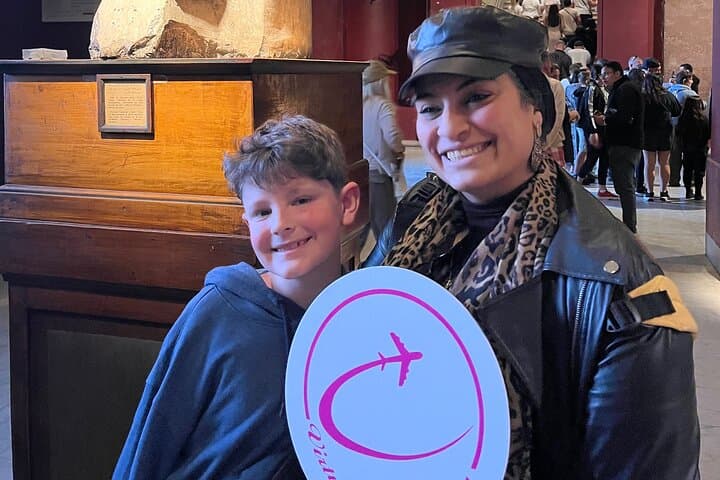
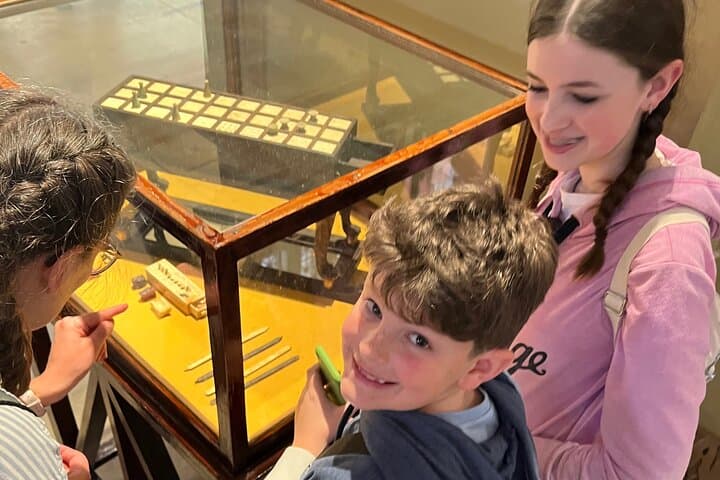
You step from the street into a hall that measures time by objects: bronze tools, painted shrouds and a corridor lined with cartonnage that feels both clinical and intimate.
You step from the street into a hall that measures time by objects: bronze tools, painted shrouds and a corridor lined with cartonnage that feels both clinical and intimate.
The National Museum of Egyptian Civilization (NMEC) in Old Cairo traces Egypt’s arc from prehistoric communities through Pharaonic, Greco-Roman, Coptic and Islamic eras. The museum’s chronological layout and the Royal Mummies Hall make it a compact primer on the Nile valley’s long habitability—its human stories set on the floodplain left by centuries of sediment and agricultural cycles.
Culturally, NMEC is designed around access: multilingual labels, thematic galleries and displays that emphasize daily life as much as royal spectacle. Nearby, Coptic Cairo and the early Islamic remains of Fustat underline how Cairo grew outward from the river’s edge. Geology is quiet here but present: the Nile’s annual rhythms shaped settlement, burial practices and the mud-brick architecture whose fragments sit behind glass.
Practical guidance: allow about four hours to move at a relaxed pace and join a guided tour for deeper context. Photography rules vary by gallery—look for signage—and the museum is climate-controlled to protect fragile pigments and mummies. Public transport and arranged pickup are common ways to reach the site; parking is limited.
Bring hydration and comfortable shoes for tiled galleries, and plan follow-up visits to nearby historic sites to connect artifacts with streets and structures where those objects were used. NMEC is both an educational stop and a gateway into Cairo’s layered past.