THE ADVENTURE COLLECTIVE® · Independent discovery and booking for outdoor travel

A two‑day, one‑night Mekong Delta voyage that puts you on sampans, motorboats and village lanes to witness the bustling Cai Rang floating market. Early starts, humid air and riverside orchards define this compact, hands‑on cultural trip.
A two‑day, one‑night Mekong Delta voyage that puts you on sampans, motorboats and village lanes to witness the bustling Cai Rang floating market. Early starts, humid air and riverside orchards define this compact, hands‑on cultural trip.
You step off an air‑conditioned minivan into humid morning air where the Mekong moves like a slow, confident current—pushing boats, barges and floating stalls down a lattice of canals. The first light catches bamboo poles topped with produce, and sampans slide close enough that sellers’ calls become part of the river’s voice.
Verified experiences and guided adventures in the surrounding area.
Operated by VN Lotus Travel · Can Tho, Can Tho
You step off an air‑conditioned minivan into humid morning air where the Mekong moves like a slow, confident current—pushing boats, barges and floating stalls down a lattice of canals. The first light catches bamboo poles topped with produce, and sampans slide close enough that sellers’ calls become part of the river’s voice.
This two‑day loop moves from Ho Chi Minh City through My Tho and Ben Tre to Can Tho, centering on Cai Rang, the region’s busiest floating market. Geologically the Mekong Delta is young—river-borne alluvium built over millennia—so expect flat, fertile landscapes, braided channels and a rhythm of agriculture and aquaculture. Culturally, the delta blends Kinh and Khmer influences; pagodas, fruit orchards and coconut workshops speak to centuries of river trade.
You’ll cruise motorboat channels, paddle narrow sampans around island orchards, visit a coconut candy maker, and cycle village lanes in Tan Thach—short bursts of activity punctuated by slow river travel. The Cai Rang market peaks before mid‑morning when wholesale trading is busiest; boats tie, compare loads and barter produce.
Practical: plan early starts (market is best 5–8am), carry local currency, and expect strong sun and high humidity. Bring waterproof bags for cameras, light layers for cool mornings and a small daypack for cycling stops. Motion‑sensitive travelers should pack remedies; most walking is flat and short, but boat wakes are constant. With basic fitness and a readiness for boat travel, this trip delivers an immediate, tactile lesson in delta life—where the river is both road and marketplace.
easy.
2 days, 1 night.
Suitable for travelers in average physical condition; short walks and casual cycling on flat terrain, with periods of boat travel.
Trading is most active early—usually from 5–9am—though some boat traffic continues later; arrive pre‑dawn for the liveliest scene.
Yes—activities are low intensity and boats are stable, but those with mobility issues should note steps on boats and short uneven village paths.
Vietnamese đồng is preferred; small cash denominations work best at markets. Some workshops accept cards, but cash is recommended for most purchases.
Cell coverage is generally available between towns but can be spotty on narrow canals; hotels in Can Tho typically provide Wi‑Fi.
The Mekong Delta grew as a trade zone connecting inland rice production to coastal markets; Cai Rang evolved as a floating wholesale market where riverborne produce is sorted and sold.
River traffic and tourism can strain fragile canal banks; choose operators that minimize wakes, avoid littering and support local waste‑management efforts.
VN Lotus Travel operates guided outdoor trips and adventures with an emphasis on safety, stewardship, and memorable experiences.

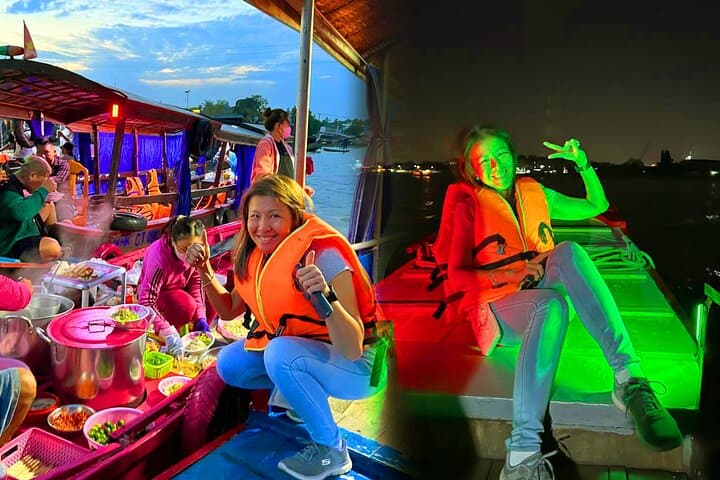
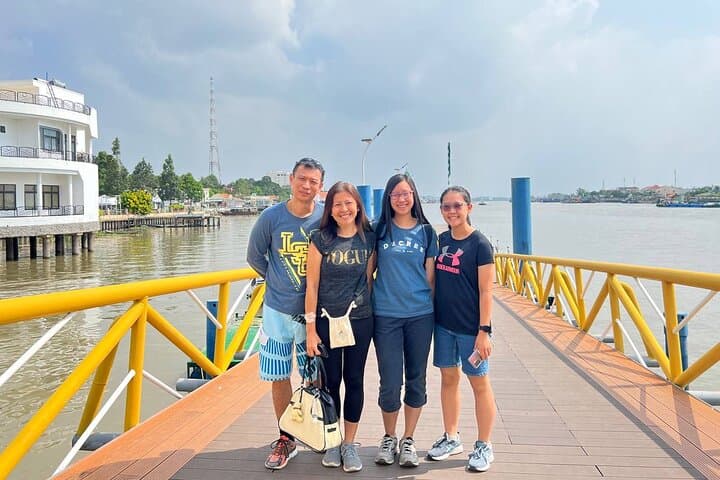
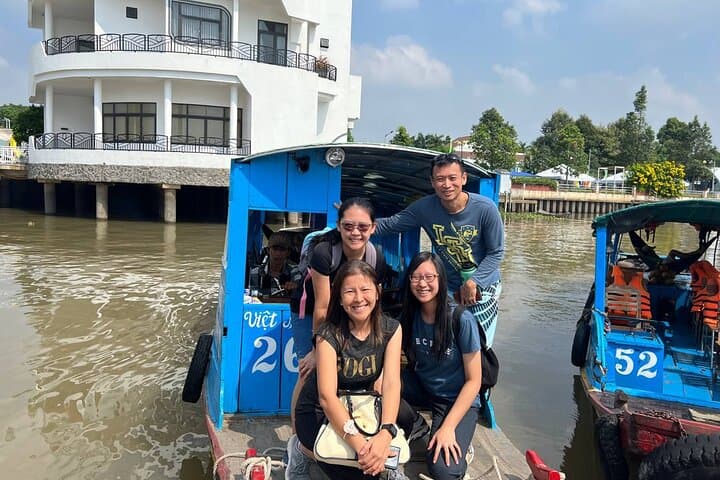
You step off an air‑conditioned minivan into humid morning air where the Mekong moves like a slow, confident current—pushing boats, barges and floating stalls down a lattice of canals. The first light catches bamboo poles topped with produce, and sampans slide close enough that sellers’ calls become part of the river’s voice.
You step off an air‑conditioned minivan into humid morning air where the Mekong moves like a slow, confident current—pushing boats, barges and floating stalls down a lattice of canals. The first light catches bamboo poles topped with produce, and sampans slide close enough that sellers’ calls become part of the river’s voice.
This two‑day loop moves from Ho Chi Minh City through My Tho and Ben Tre to Can Tho, centering on Cai Rang, the region’s busiest floating market. Geologically the Mekong Delta is young—river-borne alluvium built over millennia—so expect flat, fertile landscapes, braided channels and a rhythm of agriculture and aquaculture. Culturally, the delta blends Kinh and Khmer influences; pagodas, fruit orchards and coconut workshops speak to centuries of river trade.
You’ll cruise motorboat channels, paddle narrow sampans around island orchards, visit a coconut candy maker, and cycle village lanes in Tan Thach—short bursts of activity punctuated by slow river travel. The Cai Rang market peaks before mid‑morning when wholesale trading is busiest; boats tie, compare loads and barter produce.
Practical: plan early starts (market is best 5–8am), carry local currency, and expect strong sun and high humidity. Bring waterproof bags for cameras, light layers for cool mornings and a small daypack for cycling stops. Motion‑sensitive travelers should pack remedies; most walking is flat and short, but boat wakes are constant. With basic fitness and a readiness for boat travel, this trip delivers an immediate, tactile lesson in delta life—where the river is both road and marketplace.