THE ADVENTURE COLLECTIVE® · Independent discovery and booking for outdoor travel

Step from the palm-lined road into cooling limestone halls and swim clear underground pools on this three-hour Cabarete cave excursion. Guides supply helmets and lanterns while you explore Taíno caves and a small botanical garden.
Step from the palm-lined road into cooling limestone halls and swim clear underground pools on this three-hour Cabarete cave excursion. Guides supply helmets and lanterns while you explore Taíno caves and a small botanical garden.
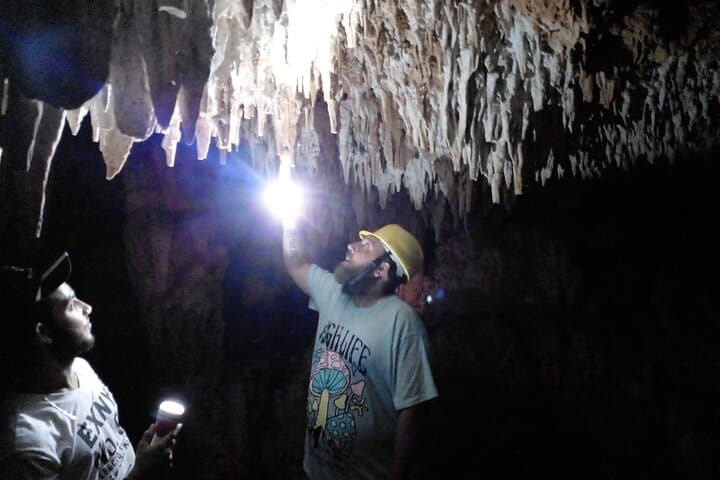
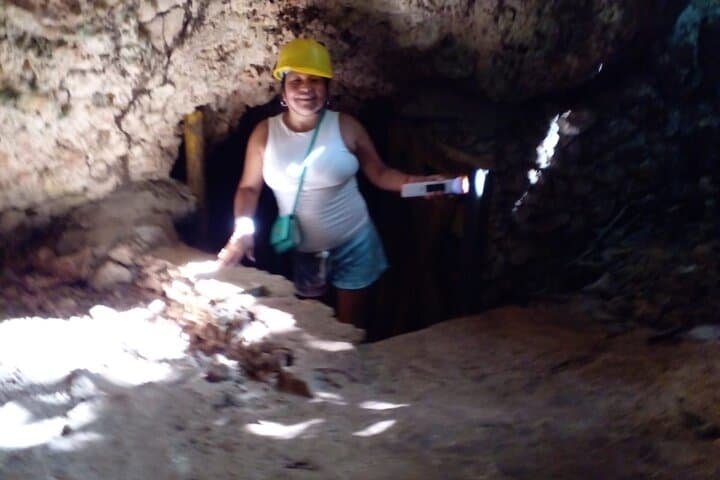
A short machete-cut track leads off the coastal road and the air cools; the jungle hush gives way to dripping limestone and the faint scrape of sandals on rock. In the Cabarete Caves, a guide fits you with a helmet and lantern, and the underground river dares you to step in—its clear water moving like a live thread through chambers carved over millennia.
Verified experiences and guided adventures in the surrounding area.
Operated by Tony Tours by AMGMT · Cabarete, Puerto Plata Province
A short machete-cut track leads off the coastal road and the air cools; the jungle hush gives way to dripping limestone and the faint scrape of sandals on rock. In the Cabarete Caves, a guide fits you with a helmet and lantern, and the underground river dares you to step in—its clear water moving like a live thread through chambers carved over millennia.
The park sits on exposed karst formed by ancient coral and limestone uplift, with passages the Taíno once used for shelter and ritual. Visitors pass a compact botanical garden that explains local plantations—breadfruit, guava and minor medicinal plants—before descending into caverns where stalactites and flowstone show slow geological time.
Culturally, the caves are part of a coastal landscape shaped by colonial agriculture, tourism, and the recent designation of protected areas across the Dominican Republic. The route is short—about three hours including transfers—and designed for broad accessibility, though low ceilings and wet rock demand caution.
Expect narrow passages, waist-deep swims in clear underground pools, and guided commentary about geology and indigenous use. Practicalities: wear closed-toe water shoes with grip, quick-dry clothes, and a small towel; guides supply helmets and lanterns, and bottled water and soda are included. Morning departures avoid heat and afternoon showers in the rainy months.
The experience is equal parts easy adventure and hands-on natural history: sensory, humid, and unexpectedly quiet. Leave no trace, follow the guide’s route, and be ready for sudden drops in floor level and pockets of cool water that make the caves feel alive.
easy.
3 hours.
Suitable for people in average fitness; requires basic mobility for short swims, climbing over low rocks, and walking uneven paths.
Transfers from Sosúa and Cabarete are included for scheduled departures—confirm your pickup point when booking.
Yes; the tour is family-friendly, but infants must sit on a lap and all participants should be able to navigate wet, uneven surfaces.
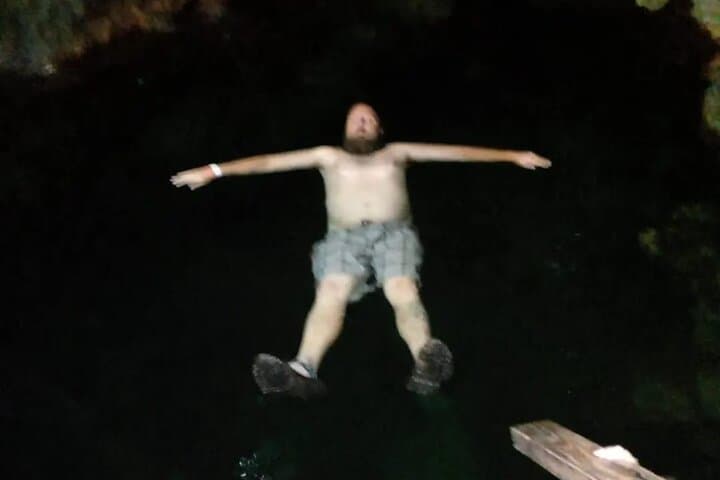
Yes, the itinerary includes short swims in shallow underground rivers; non-swimmers should discuss alternatives with the operator beforehand.
Not recommended for pregnant travelers or anyone with serious spinal or heart conditions due to uneven terrain and wet conditions.
The caves were used by the Taíno people and later became part of a landscape shaped by colonial agriculture; the area now lies within protected lands recognized for karst geology and biodiversity.
The site is within a protected area—respect marked trails, avoid touching formations, and take all trash back to reduce impact on karst ecosystems.
Tony Tours by AMGMT operates guided outdoor trips and adventures with an emphasis on safety, stewardship, and memorable experiences.
A short machete-cut track leads off the coastal road and the air cools; the jungle hush gives way to dripping limestone and the faint scrape of sandals on rock. In the Cabarete Caves, a guide fits you with a helmet and lantern, and the underground river dares you to step in—its clear water moving like a live thread through chambers carved over millennia.
A short machete-cut track leads off the coastal road and the air cools; the jungle hush gives way to dripping limestone and the faint scrape of sandals on rock. In the Cabarete Caves, a guide fits you with a helmet and lantern, and the underground river dares you to step in—its clear water moving like a live thread through chambers carved over millennia.
The park sits on exposed karst formed by ancient coral and limestone uplift, with passages the Taíno once used for shelter and ritual. Visitors pass a compact botanical garden that explains local plantations—breadfruit, guava and minor medicinal plants—before descending into caverns where stalactites and flowstone show slow geological time.
Culturally, the caves are part of a coastal landscape shaped by colonial agriculture, tourism, and the recent designation of protected areas across the Dominican Republic. The route is short—about three hours including transfers—and designed for broad accessibility, though low ceilings and wet rock demand caution.
Expect narrow passages, waist-deep swims in clear underground pools, and guided commentary about geology and indigenous use. Practicalities: wear closed-toe water shoes with grip, quick-dry clothes, and a small towel; guides supply helmets and lanterns, and bottled water and soda are included. Morning departures avoid heat and afternoon showers in the rainy months.
The experience is equal parts easy adventure and hands-on natural history: sensory, humid, and unexpectedly quiet. Leave no trace, follow the guide’s route, and be ready for sudden drops in floor level and pockets of cool water that make the caves feel alive.