THE ADVENTURE COLLECTIVE® · Independent discovery and booking for outdoor travel

Skip the postcard route and follow the Danube into Budapest’s lesser-seen neighborhoods. This 2.5‑hour e‑bike ride threads riverside parks, underground art spaces, and remnants of 20th‑century history for a local view of the city.
Skip the postcard route and follow the Danube into Budapest’s lesser-seen neighborhoods. This 2.5‑hour e‑bike ride threads riverside parks, underground art spaces, and remnants of 20th‑century history for a local view of the city.
You push open the door of a gritty local bike shop and the city breathes in electric hums—e-bikes ready, helmets stacked—while the Danube dares you to follow its curve south. The route slips away from the Parliament’s formal face into neighborhoods where facades change tone: ivy-clad halls of a quieter campus, the scarred walls of a former surveillance site, and riverside parks that feel like private stages.
Verified experiences and guided adventures in the surrounding area.
Operated by Uncharted Travel · Budapest, Budapest
You push open the door of a gritty local bike shop and the city breathes in electric hums—e-bikes ready, helmets stacked—while the Danube dares you to follow its curve south. The route slips away from the Parliament’s formal face into neighborhoods where facades change tone: ivy-clad halls of a quieter campus, the scarred walls of a former surveillance site, and riverside parks that feel like private stages.
This stretch of Budapest carries layers of history: medieval Buda across the water, the Austro-Hungarian urban plan that shaped broad avenues, and Cold War-era architecture that still marks the city’s edges. Geology matters here too—sediment plains along the Danube make for mostly flat riding, while frequent thermal springs beneath the surface fed the city’s baths and shaped settlement patterns.
Culture lives in alleyways and painted walls rather than main squares—independent galleries in Ferencváros, community workshops, and cafés that host noisy debates over late espresso. Keep an eye out for a debated modern skyscraper that looms over a peaceful riverside park; it’s a local conversation piece.
Practical guide: expect about 2–3 hours of riding over 8–12 km on mostly flat pavement with occasional cobbles and bike lanes. Helmets and pedal‑assist e-bikes are included—assist helps on longer stretches but you’ll still pedal. Bring a full battery mindset: recharge before the tour, hydrate, wear closed-toe shoes, and be ready to ride in mixed traffic. Aim for morning or late afternoon to avoid peak tourist traffic and to get softer light on the river.
moderate.
2–3 hours.
Moderate fitness: comfortable sitting and pedaling for 2–3 hours and able to handle light urban traffic.
Yes—an e-bike with pedal assist and a helmet are included in the tour price; guides will fit helmets before departure.
The tour is moderate: pedal-assist reduces strain but riders should be comfortable cycling for 2–3 hours and handling urban traffic.
The booking is final-sale with no refunds; the operator may cancel for bad weather or insufficient riders and will notify you in advance.
The meeting point is a local bike shop near the riverfront; it is reachable by Budapest public transport—check your booking confirmation for exact directions.
This riverside corridor reflects layers from Habsburg urban planning to Cold War-era surveillance sites; the tour passes a building tied to that history and a site that once held a prison.
Cycling reduces local carbon impact and eases congestion along the river; stay on marked paths and avoid trampling riverbank vegetation to protect fragile habitats.
Uncharted Travel operates guided outdoor trips and adventures with an emphasis on safety, stewardship, and memorable experiences.
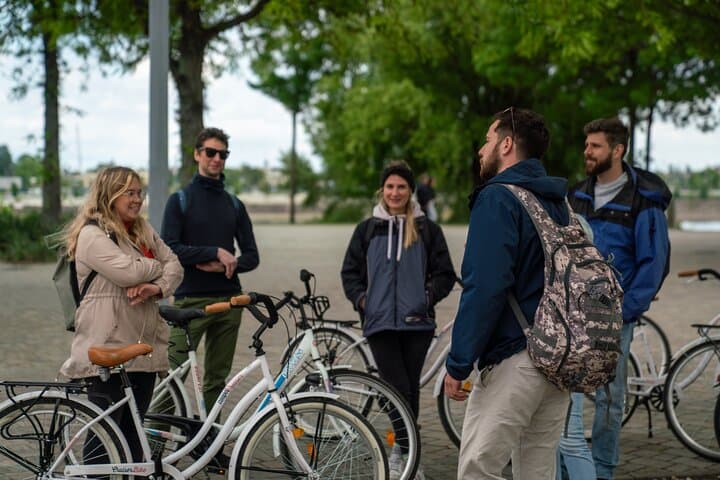
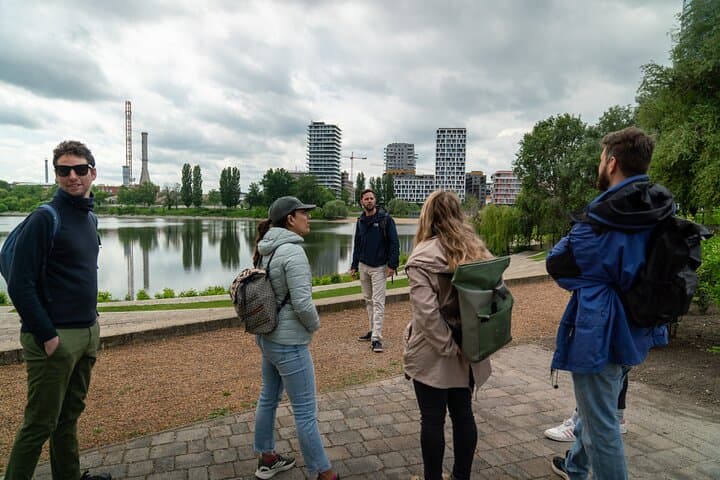
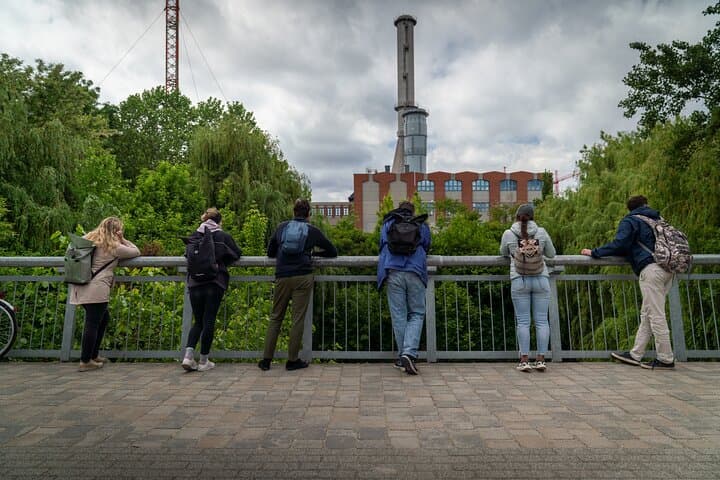
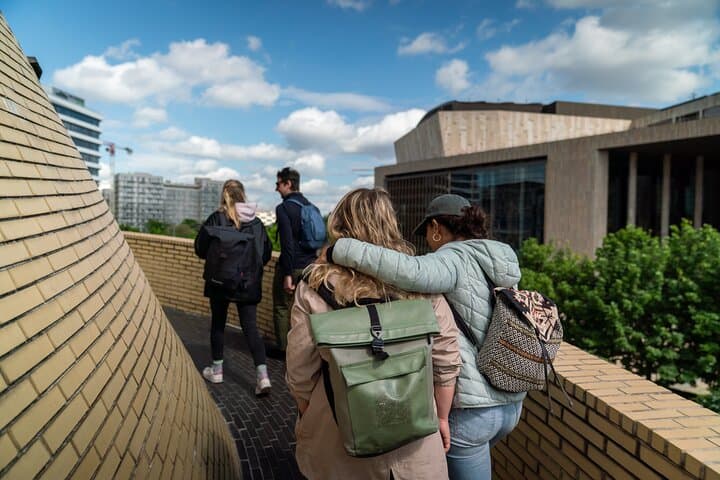
You push open the door of a gritty local bike shop and the city breathes in electric hums—e-bikes ready, helmets stacked—while the Danube dares you to follow its curve south. The route slips away from the Parliament’s formal face into neighborhoods where facades change tone: ivy-clad halls of a quieter campus, the scarred walls of a former surveillance site, and riverside parks that feel like private stages.
You push open the door of a gritty local bike shop and the city breathes in electric hums—e-bikes ready, helmets stacked—while the Danube dares you to follow its curve south. The route slips away from the Parliament’s formal face into neighborhoods where facades change tone: ivy-clad halls of a quieter campus, the scarred walls of a former surveillance site, and riverside parks that feel like private stages.
This stretch of Budapest carries layers of history: medieval Buda across the water, the Austro-Hungarian urban plan that shaped broad avenues, and Cold War-era architecture that still marks the city’s edges. Geology matters here too—sediment plains along the Danube make for mostly flat riding, while frequent thermal springs beneath the surface fed the city’s baths and shaped settlement patterns.
Culture lives in alleyways and painted walls rather than main squares—independent galleries in Ferencváros, community workshops, and cafés that host noisy debates over late espresso. Keep an eye out for a debated modern skyscraper that looms over a peaceful riverside park; it’s a local conversation piece.
Practical guide: expect about 2–3 hours of riding over 8–12 km on mostly flat pavement with occasional cobbles and bike lanes. Helmets and pedal‑assist e-bikes are included—assist helps on longer stretches but you’ll still pedal. Bring a full battery mindset: recharge before the tour, hydrate, wear closed-toe shoes, and be ready to ride in mixed traffic. Aim for morning or late afternoon to avoid peak tourist traffic and to get softer light on the river.