THE ADVENTURE COLLECTIVE® · Independent discovery and booking for outdoor travel

Walk Brussels with an economic historian who connects Gothic facades, industrial-era landmarks and the city’s chocolate legacy. This 2–2.5 hour walking tour blends urban history, architecture and a local’s perspective on modern Brussels.
Walk Brussels with an economic historian who connects Gothic facades, industrial-era landmarks and the city’s chocolate legacy. This 2–2.5 hour walking tour blends urban history, architecture and a local’s perspective on modern Brussels.
You step out from the tram into a city that still argues with its past: stone facades conversing with steel-age monuments, a low valley that once held marshes and now frames the urban core. The guide—a local economic historian—moves at a steady pace, pointing out where medieval trade corridors hardened into boulevards and where industries stretched the skyline.
Verified experiences and guided adventures in the surrounding area.
Operated by City Explorer Brussels · Brussels, Brussels-Capital Region
You step out from the tram into a city that still argues with its past: stone facades conversing with steel-age monuments, a low valley that once held marshes and now frames the urban core. The guide—a local economic historian—moves at a steady pace, pointing out where medieval trade corridors hardened into boulevards and where industries stretched the skyline.
Brussels grew from a 10th‑century market beside the Senne and expanded through textiles, metallurgy and, later, chocolate factories. Along the way the tour touches Gothic churches, the Sablon’s antique shops and the vast Palace of Justice—each structure a chapter in the city’s economic story and social shifts since the industrial revolution.
Expect 2–2.5 hours of mostly flat walking with frequent stops: Grand Place’s civic drama, the famed Manneken Pis (and its wardrobe museum), the aristocratic Sablon, and a concluding panorama from Mont des Arts overlooking the low Brussels valley. Conversations lean on urbanism and labor history—how canals, rail, and trade reshaped neighborhoods—and finish with the chocolate trade’s 20th‑century boom. A small praline tasting is usually included to punctuate the lecture.
Plan for unpredictable weather, comfortable shoes and a light rain layer. Tours are best in the morning to avoid crowds and to hear the guide without city noise. Public transit is nearby; restrooms are limited along the route, so plan a quick stop before you start. The experience favors curious walkers who want historical context as they move through the city rather than a simple list of sights.
easy.
2–2.5 hours.
Suitable for most fitness levels; participants should be able to stand and walk at a modest pace for two hours.
Tours typically start near a central tram stop and finish at Mont des Arts by Brussels Central Station; exact meeting details are provided at booking.
Yes—this is a low‑intensity walking tour; families and seniors who can walk short distances and stand for commentary will be fine.
The operator requires a minimum number of participants; if the minimum isn’t met you’ll be notified and offered an alternative date or full refund.
The standard offering is conducted in English, but check the booking page for additional language options or private-tour requests.
Brussels began as a medieval market on the Senne; successive waves of industry—textiles, metallurgy, and chocolate manufacturing—shaped its neighborhoods and civic architecture.
Historic sites can be sensitive to foot traffic—stick to paths, minimize litter, and support small local businesses to keep tourism benefits local.
City Explorer Brussels operates guided outdoor trips and adventures with an emphasis on safety, stewardship, and memorable experiences.
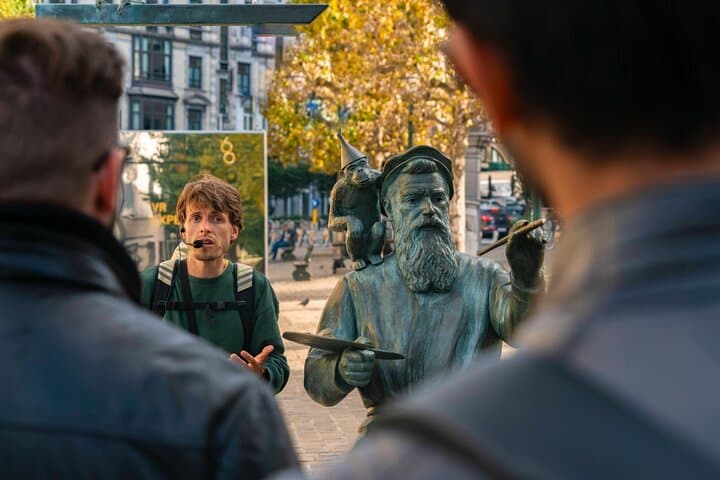
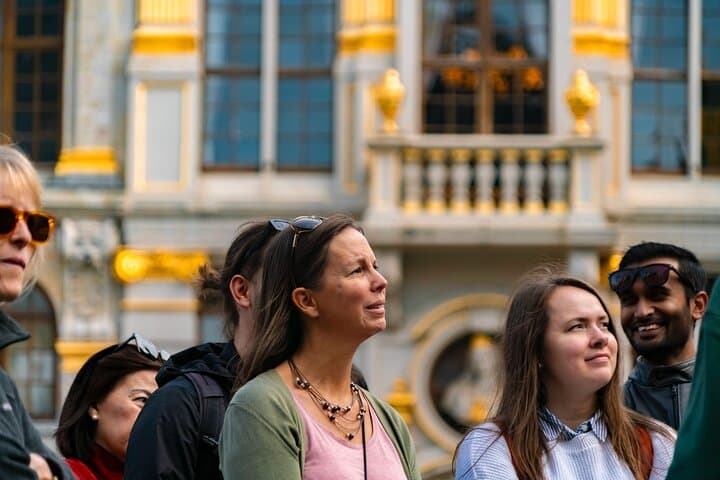
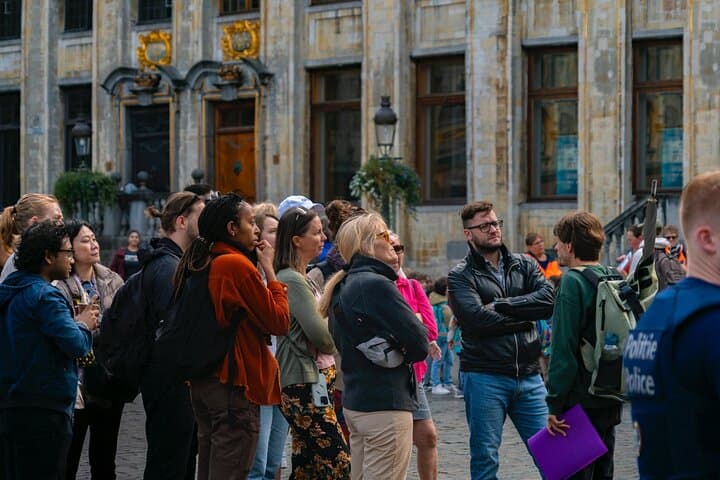
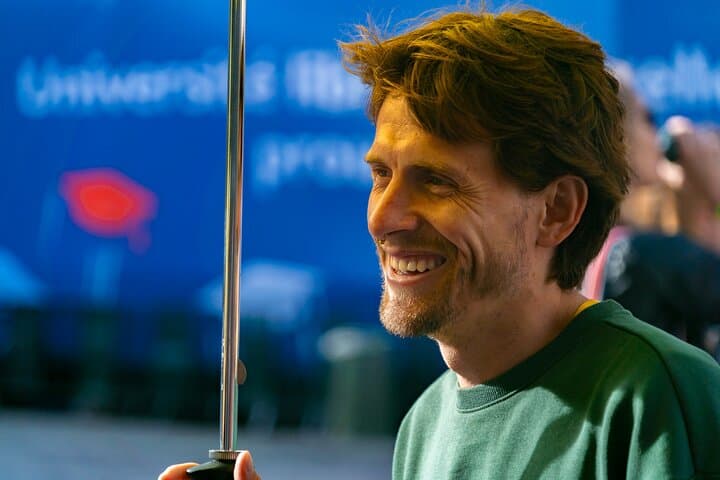
You step out from the tram into a city that still argues with its past: stone facades conversing with steel-age monuments, a low valley that once held marshes and now frames the urban core. The guide—a local economic historian—moves at a steady pace, pointing out where medieval trade corridors hardened into boulevards and where industries stretched the skyline.
You step out from the tram into a city that still argues with its past: stone facades conversing with steel-age monuments, a low valley that once held marshes and now frames the urban core. The guide—a local economic historian—moves at a steady pace, pointing out where medieval trade corridors hardened into boulevards and where industries stretched the skyline.
Brussels grew from a 10th‑century market beside the Senne and expanded through textiles, metallurgy and, later, chocolate factories. Along the way the tour touches Gothic churches, the Sablon’s antique shops and the vast Palace of Justice—each structure a chapter in the city’s economic story and social shifts since the industrial revolution.
Expect 2–2.5 hours of mostly flat walking with frequent stops: Grand Place’s civic drama, the famed Manneken Pis (and its wardrobe museum), the aristocratic Sablon, and a concluding panorama from Mont des Arts overlooking the low Brussels valley. Conversations lean on urbanism and labor history—how canals, rail, and trade reshaped neighborhoods—and finish with the chocolate trade’s 20th‑century boom. A small praline tasting is usually included to punctuate the lecture.
Plan for unpredictable weather, comfortable shoes and a light rain layer. Tours are best in the morning to avoid crowds and to hear the guide without city noise. Public transit is nearby; restrooms are limited along the route, so plan a quick stop before you start. The experience favors curious walkers who want historical context as they move through the city rather than a simple list of sights.