THE ADVENTURE COLLECTIVE® · Independent discovery and booking for outdoor travel

Step beyond Grand Place and into Brussels’ industrial-revival neighborhoods on a private three-hour walking tour. Visit Saint-Géry, Saint-Cathérine and the lively Kanaal district while sampling local drinks and learning the city’s layered history.
Step beyond Grand Place and into Brussels’ industrial-revival neighborhoods on a private three-hour walking tour. Visit Saint-Géry, Saint-Cathérine and the lively Kanaal district while sampling local drinks and learning the city’s layered history.
A brisk autumn wind threads the canal zone as the group steps away from the tourist-packed Grand Place and into a different Brussels—one of converted warehouses, narrow alleys and the echo of the old Senne River. The guide leads through Place Saint-Géry where 19th-century facades rub shoulders with hip cafés, then down cobbled lanes to Zinneke Pis, a playful bit of public art that hints at the city’s irreverent side.
Verified experiences and guided adventures in the surrounding area.
Operated by Local CoolTour · Brussels, Brussels-Capital Region
A brisk autumn wind threads the canal zone as the group steps away from the tourist-packed Grand Place and into a different Brussels—one of converted warehouses, narrow alleys and the echo of the old Senne River. The guide leads through Place Saint-Géry where 19th-century facades rub shoulders with hip cafés, then down cobbled lanes to Zinneke Pis, a playful bit of public art that hints at the city’s irreverent side.
This private three-hour walk stitches together Brussels’ industrial history and recent reinvention: the former port atmosphere of Saint-Cathérine, the fish-market bones of Marché aux Poissons, and the Kanaal district where factories now host galleries and bars. Minoterie Farcy and Rue du Marché aux Porcs point to working-class roots; Boulevard Barthélemy maps the slow transition to a multicultural, creative corridor. Along the canal the water seems to dare you to explore further, currents nudging boats and patios alike.
Practical guidance: expect mostly paved and cobbled surfaces, short stair sections and gentle urban gradients—suitable for most fitness levels and wheelchair accessible in key areas. The tour includes a local beer or soft drink; bring a contactless card or a few euros for small purchases. Mornings are quieter for photography; late afternoon captures the neighborhood’s warm light. Wear sturdy shoes for uneven paving, layer for sudden rain, and allow time to linger at a canal-side bar if the group agrees. This is a walk meant for curiosity: observe, listen, and let the city’s industrial past and present remap your expectations of Brussels.
easy.
3 hours.
Suitable for most fitness levels; walkers should be comfortable standing and moving over paved and cobbled streets for several hours.
This is a private tour booked per group; size depends on your booking but typically accommodates small groups for a personal experience.
Key areas and transportation are accessible and the operator notes wheelchair accessibility; contact the provider for specific mobility needs.
The tour includes one beer or soft drink at a local bar; additional food or drinks are at own expense.
Tours are offered by local guides—confirm language availability when booking to ensure guiding in your preferred language.
Brussels grew around the Senne River; many canal-side neighborhoods were industrial hubs in the 19th and early 20th centuries before later conversion to cultural spaces.
The canal regeneration balances redevelopment with heritage preservation—respect private art spaces and avoid littering; support local cafés to sustain neighborhood renewal.
Local CoolTour operates guided outdoor trips and adventures with an emphasis on safety, stewardship, and memorable experiences.
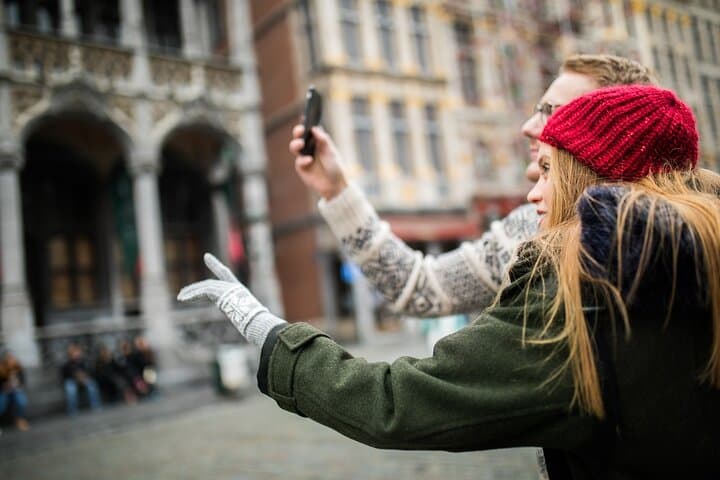
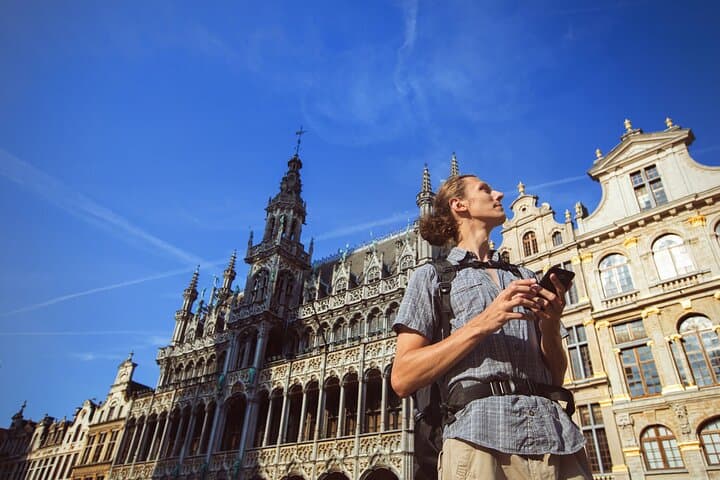
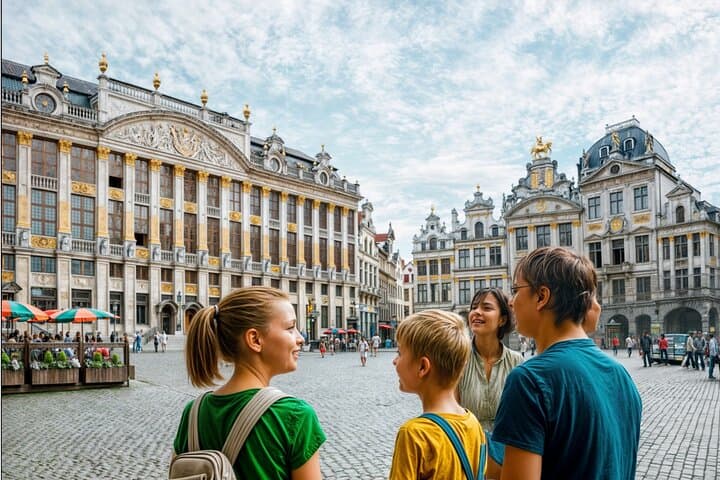
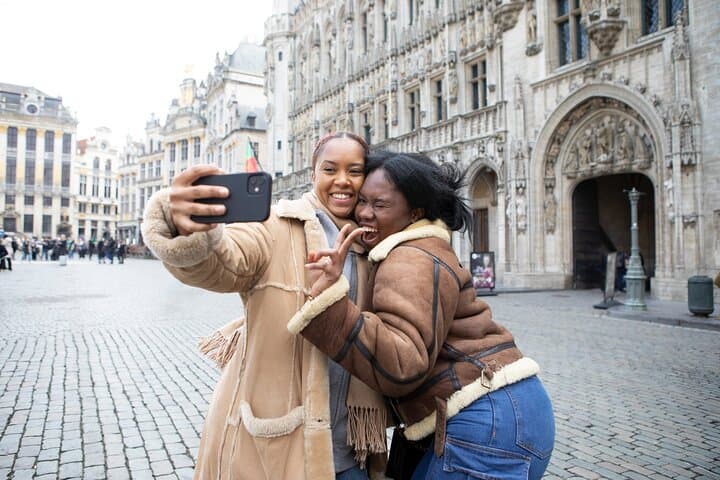
A brisk autumn wind threads the canal zone as the group steps away from the tourist-packed Grand Place and into a different Brussels—one of converted warehouses, narrow alleys and the echo of the old Senne River. The guide leads through Place Saint-Géry where 19th-century facades rub shoulders with hip cafés, then down cobbled lanes to Zinneke Pis, a playful bit of public art that hints at the city’s irreverent side.
A brisk autumn wind threads the canal zone as the group steps away from the tourist-packed Grand Place and into a different Brussels—one of converted warehouses, narrow alleys and the echo of the old Senne River. The guide leads through Place Saint-Géry where 19th-century facades rub shoulders with hip cafés, then down cobbled lanes to Zinneke Pis, a playful bit of public art that hints at the city’s irreverent side.
This private three-hour walk stitches together Brussels’ industrial history and recent reinvention: the former port atmosphere of Saint-Cathérine, the fish-market bones of Marché aux Poissons, and the Kanaal district where factories now host galleries and bars. Minoterie Farcy and Rue du Marché aux Porcs point to working-class roots; Boulevard Barthélemy maps the slow transition to a multicultural, creative corridor. Along the canal the water seems to dare you to explore further, currents nudging boats and patios alike.
Practical guidance: expect mostly paved and cobbled surfaces, short stair sections and gentle urban gradients—suitable for most fitness levels and wheelchair accessible in key areas. The tour includes a local beer or soft drink; bring a contactless card or a few euros for small purchases. Mornings are quieter for photography; late afternoon captures the neighborhood’s warm light. Wear sturdy shoes for uneven paving, layer for sudden rain, and allow time to linger at a canal-side bar if the group agrees. This is a walk meant for curiosity: observe, listen, and let the city’s industrial past and present remap your expectations of Brussels.