THE ADVENTURE COLLECTIVE® · Independent discovery and booking for outdoor travel

Board Brunel’s SS Great Britain for a hands-on dive into Victorian maritime life. Explore the dry dock, two museums, and recreated ship interiors while learning how this iron liner reshaped long-distance travel.
Board Brunel’s SS Great Britain for a hands-on dive into Victorian maritime life. Explore the dry dock, two museums, and recreated ship interiors while learning how this iron liner reshaped long-distance travel.
Step onto the glass 'sea' that covers Brunel’s dry dock and the SS Great Britain fills your view, flags snapping as if ready to cast off. The hull’s iron skin and varnished wood decks sit beneath museum lights, while the surrounding dockyard hums with the city’s river-smell and gull calls. The experience moves between tangible historic craft and carefully staged rooms that recreate life at sea in 1843.
Verified experiences and guided adventures in the surrounding area.
Operated by Brunel's SS Great Britain · Bristol, England
Step onto the glass 'sea' that covers Brunel’s dry dock and the SS Great Britain fills your view, flags snapping as if ready to cast off. The hull’s iron skin and varnished wood decks sit beneath museum lights, while the surrounding dockyard hums with the city’s river-smell and gull calls. The experience moves between tangible historic craft and carefully staged rooms that recreate life at sea in 1843.
Launched in 1843, Isambard Kingdom Brunel’s SS Great Britain was the world’s first great ocean liner — an iron-hulled, screw-propelled hybrid that redefined long-distance travel. The ship and its dockyard reflect Bristol’s maritime role in the industrial era and the engineering leap that allowed faster Atlantic crossings. The surrounding Floating Harbour, created in the early 19th century, transformed tidal mudflats into a working port and frames the ship in an industrial landscape rather than a seaside panorama.
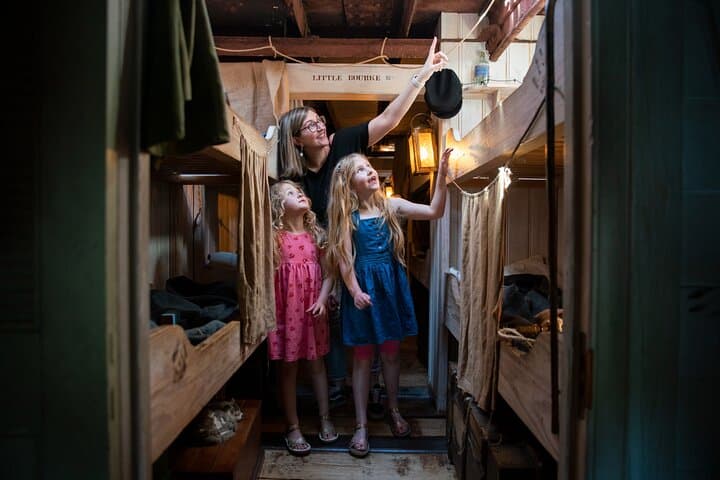
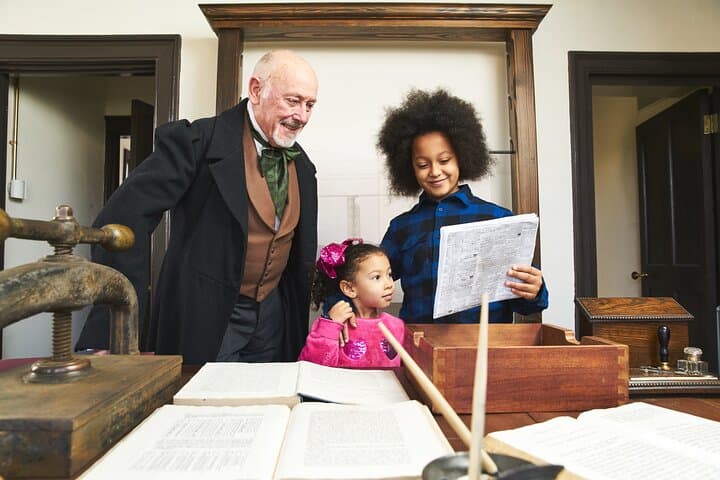
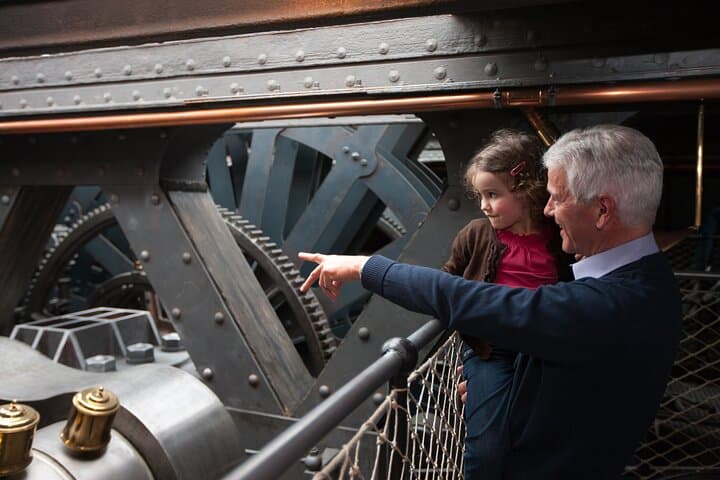
Inside, the Dockyard Museum and Being Brunel exhibition offer focused history: Brunel’s office, family rooms, and the ship’s re-created steerage and saloon. The dry dock vantage point beneath the glass sea reveals the hull’s scale and restoration craft — expect interpretive displays, period smells, and audio guides that bring the vessel to life.
Practicalities: allow 1.5–4 hours to explore both museums and the dockyard; mobile tickets accepted; the site is wheelchair and stroller accessible. Visit early or late in the day to avoid peak school groups, and use nearby public transport or a short walk from Bristol Temple Meads. Respect conservation signage, and leave time to visit waterside cafes and the harbourfront galleries after your tour.
easy.
1.5–4 hours.
Suitable for most fitness levels; involves standing and some walking on uneven surfaces
Plan 1.5–4 hours to tour the ship, Dockyard Museum, and Being Brunel exhibition at a relaxed pace.
Yes — the site notes wheelchair and stroller accessibility, with ramps and accessible routes; some historic areas may have limited access.
The attraction typically offers interpretive displays and may provide audio guides or staff-led talks; check the site or booking page for current offerings.
Photography is generally permitted, but follow signage and avoid flash or touching fragile displays.
Built by Isambard Kingdom Brunel and launched in 1843, the SS Great Britain was the first large ocean liner with an iron hull and screw propeller, revolutionizing transatlantic travel.
The ship is a major conservation project; visitor behavior and controlled access help protect original ironwork and restored timbers.
Brunel's SS Great Britain operates guided outdoor trips and adventures with an emphasis on safety, stewardship, and memorable experiences.
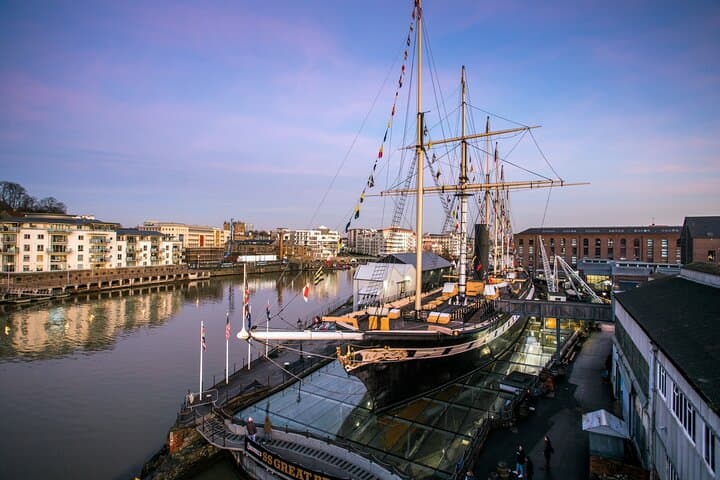
Step onto the glass 'sea' that covers Brunel’s dry dock and the SS Great Britain fills your view, flags snapping as if ready to cast off. The hull’s iron skin and varnished wood decks sit beneath museum lights, while the surrounding dockyard hums with the city’s river-smell and gull calls. The experience moves between tangible historic craft and carefully staged rooms that recreate life at sea in 1843.
Step onto the glass 'sea' that covers Brunel’s dry dock and the SS Great Britain fills your view, flags snapping as if ready to cast off. The hull’s iron skin and varnished wood decks sit beneath museum lights, while the surrounding dockyard hums with the city’s river-smell and gull calls. The experience moves between tangible historic craft and carefully staged rooms that recreate life at sea in 1843.
Launched in 1843, Isambard Kingdom Brunel’s SS Great Britain was the world’s first great ocean liner — an iron-hulled, screw-propelled hybrid that redefined long-distance travel. The ship and its dockyard reflect Bristol’s maritime role in the industrial era and the engineering leap that allowed faster Atlantic crossings. The surrounding Floating Harbour, created in the early 19th century, transformed tidal mudflats into a working port and frames the ship in an industrial landscape rather than a seaside panorama.
Inside, the Dockyard Museum and Being Brunel exhibition offer focused history: Brunel’s office, family rooms, and the ship’s re-created steerage and saloon. The dry dock vantage point beneath the glass sea reveals the hull’s scale and restoration craft — expect interpretive displays, period smells, and audio guides that bring the vessel to life.
Practicalities: allow 1.5–4 hours to explore both museums and the dockyard; mobile tickets accepted; the site is wheelchair and stroller accessible. Visit early or late in the day to avoid peak school groups, and use nearby public transport or a short walk from Bristol Temple Meads. Respect conservation signage, and leave time to visit waterside cafes and the harbourfront galleries after your tour.