THE ADVENTURE COLLECTIVE® · Independent discovery and booking for outdoor travel

Descend into Brno’s 10‑Z bunker and self‑navigate 500 meters of Cold War corridors, audiovisual exhibits and historical artifacts. This self‑guided ticket gets you in without a wait — expect film installations, English maps and a Milk Bar at the exit.
Descend into Brno’s 10‑Z bunker and self‑navigate 500 meters of Cold War corridors, audiovisual exhibits and historical artifacts. This self‑guided ticket gets you in without a wait — expect film installations, English maps and a Milk Bar at the exit.
You duck through a squat concrete portal and the city’s tram clatter fades; the air cools and the bunker’s concrete breath greets you. Light from projectors pools on curved walls while an English map in your hand pins a route through roughly 500 meters of passage — the exhibition asks you to navigate rather than be guided.
Verified experiences and guided adventures in the surrounding area.
Operated by AMERFO o.p.s. · Brno, South Moravian
You duck through a squat concrete portal and the city’s tram clatter fades; the air cools and the bunker’s concrete breath greets you. Light from projectors pools on curved walls while an English map in your hand pins a route through roughly 500 meters of passage — the exhibition asks you to navigate rather than be guided.
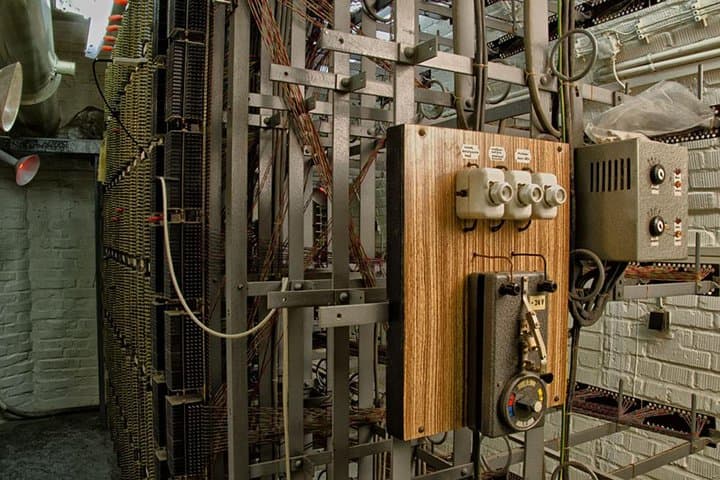
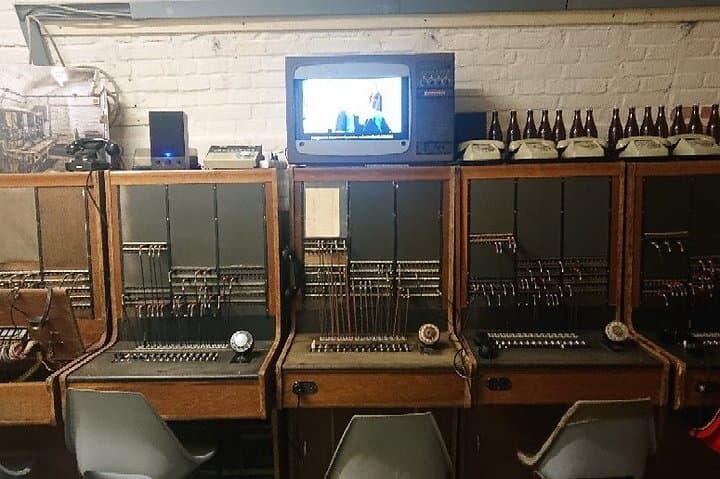
Built as a Cold War fallout shelter, 10‑Z layers municipal history with darker threads: diesel generators, filtration rooms and a PBX telephone switchboard sit beside an evocative door rescued from a WWII/Stalinist prison cell. Audiovisual installations place local stories on loop and 15 subtitled screenings provide context; hidden QR codes unlock extra material mid‑route, and site Wi‑Fi keeps the content at your fingertips.
Geology matters only in how the shelter hugs Brno’s underbelly — compact, reinforced concrete cut into loamy urban substrata — so acoustics and humidity shape the experience as much as the displays. Afterward, the Milk Bar of Marcel Ihnačák provides a dry place to regroup and reflect on the city above.
Practical guidance: tickets are mobile‑friendly and skip the line; visits typically take 30–60 minutes though you can linger up to 90. Wear sturdy shoes for low ceilings and uneven steps; the route is self‑paced but not wheelchair accessible. Visit during weekday mornings to avoid school groups and bring a small torch only if you need it — lighting is installed. Keep to marked areas, follow staff instructions, and allow time to read the projections and watch the short films that animate Brno’s 20th‑century story.
easy.
30–60 minutes.
Suitable for most visitors with basic mobility; able to walk short distances and descend stairs.
No — the ticket is for a self‑guided visit; you’ll receive an English map and the exhibit uses subtitles and QR codes to provide context.
Visits range from 15 to 90 minutes; most guests spend about 30–60 minutes exploring the main tunnels and displays.
No — the route includes narrow passages, stairs and low ceilings, and is not suitable for wheelchair access.
Yes — film screenings have English subtitles and staff provide an English map; some QR content is also in English.
10‑Z was built during the Cold War as a municipal fallout shelter; the exhibit also displays artifacts tied to WWII and the communist era, including a prison cell door with carved inscriptions.
The bunker is a preserved historic site — stay on marked routes, avoid touching exhibits, and respect capacity limits to protect fragile installations.
AMERFO o.p.s. operates guided outdoor trips and adventures with an emphasis on safety, stewardship, and memorable experiences.
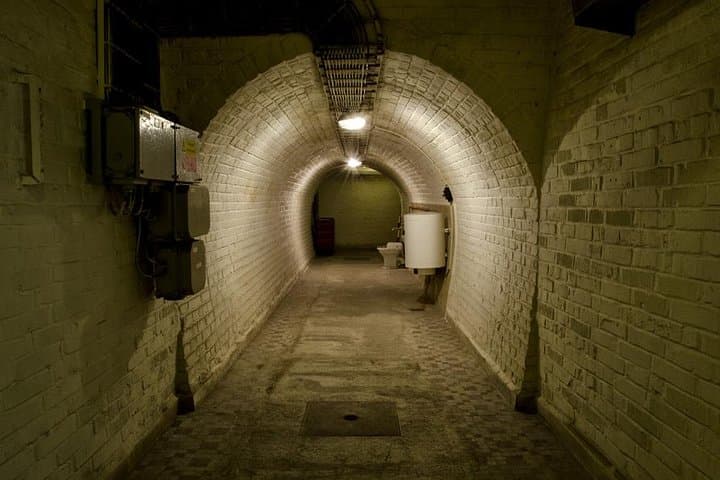
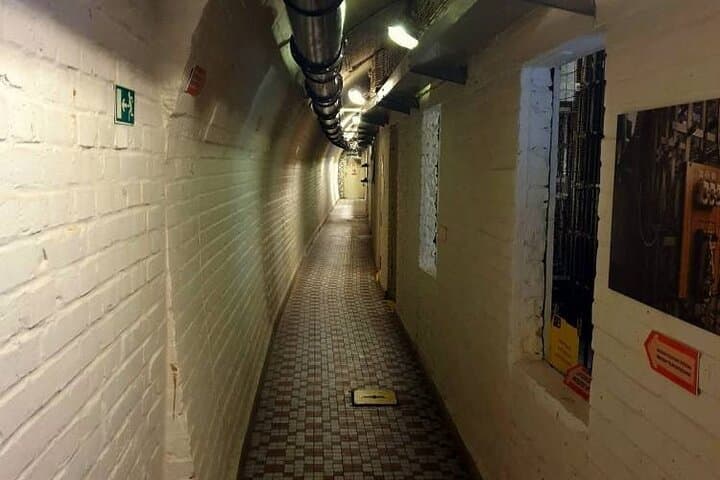
You duck through a squat concrete portal and the city’s tram clatter fades; the air cools and the bunker’s concrete breath greets you. Light from projectors pools on curved walls while an English map in your hand pins a route through roughly 500 meters of passage — the exhibition asks you to navigate rather than be guided.
You duck through a squat concrete portal and the city’s tram clatter fades; the air cools and the bunker’s concrete breath greets you. Light from projectors pools on curved walls while an English map in your hand pins a route through roughly 500 meters of passage — the exhibition asks you to navigate rather than be guided.
Built as a Cold War fallout shelter, 10‑Z layers municipal history with darker threads: diesel generators, filtration rooms and a PBX telephone switchboard sit beside an evocative door rescued from a WWII/Stalinist prison cell. Audiovisual installations place local stories on loop and 15 subtitled screenings provide context; hidden QR codes unlock extra material mid‑route, and site Wi‑Fi keeps the content at your fingertips.
Geology matters only in how the shelter hugs Brno’s underbelly — compact, reinforced concrete cut into loamy urban substrata — so acoustics and humidity shape the experience as much as the displays. Afterward, the Milk Bar of Marcel Ihnačák provides a dry place to regroup and reflect on the city above.
Practical guidance: tickets are mobile‑friendly and skip the line; visits typically take 30–60 minutes though you can linger up to 90. Wear sturdy shoes for low ceilings and uneven steps; the route is self‑paced but not wheelchair accessible. Visit during weekday mornings to avoid school groups and bring a small torch only if you need it — lighting is installed. Keep to marked areas, follow staff instructions, and allow time to read the projections and watch the short films that animate Brno’s 20th‑century story.