THE ADVENTURE COLLECTIVE® · Independent discovery and booking for outdoor travel

A guided five-hour walk through Brazzaville that pairs colonial landmarks with vibrant local neighborhoods and riverfront views. Perfect for travelers who want cultural context, street-level encounters, and practical insights into city life along the Congo River.
A guided five-hour walk through Brazzaville that pairs colonial landmarks with vibrant local neighborhoods and riverfront views. Perfect for travelers who want cultural context, street-level encounters, and practical insights into city life along the Congo River.
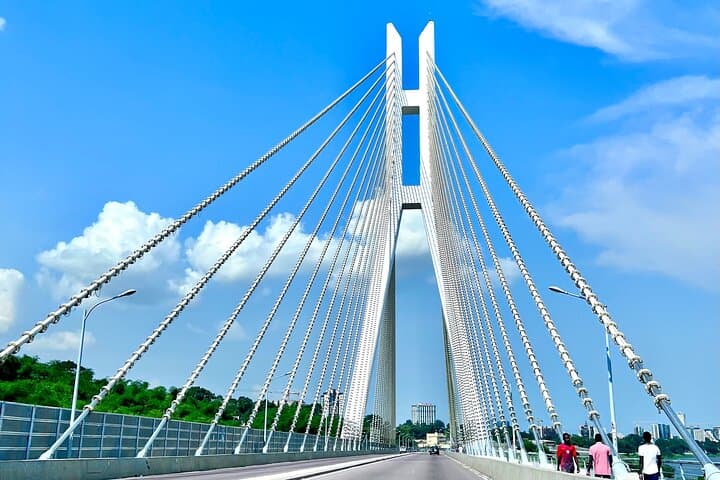
You step out of an air-conditioned van onto a hot, humming avenue and the Congo River immediately asserts itself—wide, dark, the current pushing against the city’s edge as if reminding Brazzaville of its riverborne history.
Verified experiences and guided adventures in the surrounding area.
Operated by Romaric Tour Guide · Brazzaville, Brazzaville
You step out of an air-conditioned van onto a hot, humming avenue and the Congo River immediately asserts itself—wide, dark, the current pushing against the city’s edge as if reminding Brazzaville of its riverborne history.
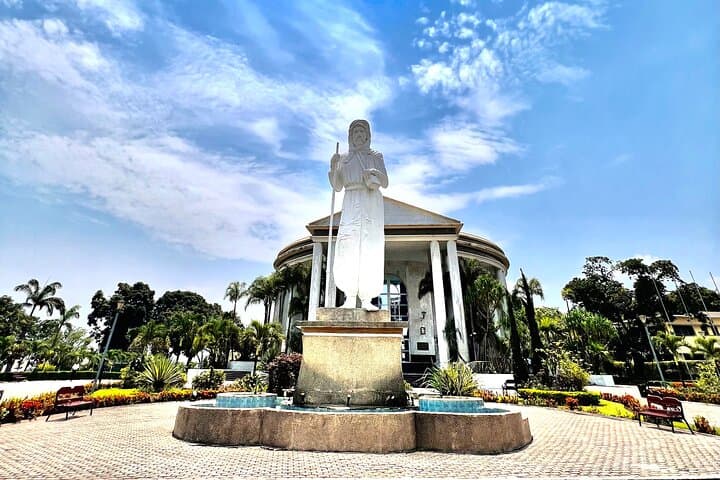
The five-hour guided circuit threads colonial architecture, religious landmarks and noisy markets. Start at the People’s Palace and move past the DE BRAZZA Museum, where French colonial records sit alongside Congolese narratives. Sacred Heart Cathedral and Saint Anne Basilica reveal the role of missionary and civic power in the city’s 19th- and 20th-century growth. In Poto-Poto, paint-splattered workshops and muraled facades show a living arts scene that resists easy categorization.
Geologically, Brazzaville occupies a plateau above the Congo River floodplain; the river’s seasonal rise and fall shaped trade routes and settlement patterns, and today it still frames daily life—fishermen hauling nets, ferries cutting the water.
Expect steady walking on paved streets and some uneven sidewalks; the guide provides context and local introductions that turn market stalls into lessons in foodways and craftsmanship. Bring water, plan for midday heat, and allow time for a cold local beer at a cafe by the river to watch barges pass.
Practical tips: wear closed-toe shoes for market alleys, keep valuables secure, and ask permission before photographing people. This tour is accessible for most fitness levels; it’s as much about listening and observing as it is about distance covered. Leave with a sense of a city shaped by river, commerce, and resilient creativity.
easy.
5 hours.
Suitable for most fitness levels; involves several hours of standing and walking on paved and uneven surfaces
The tour runs about five hours and includes walking plus stops at major sites and markets.
The listing indicates wheelchair-accessible transportation and surfaces, but confirm specific site access with the operator when booking.
The tour includes bottled water, guide services, transport and applicable fees; check if any special exhibitions charge separate admission.
Yes—typical itineraries include opportunities to taste local dishes or a beer at a riverside cafe, though full meals may be at your own expense.
Brazzaville grew rapidly as a colonial administrative center in the late 19th and early 20th centuries; its placement opposite Kinshasa shaped a twin-city dynamic across the Congo River.
The Congo River and its banks are ecologically sensitive; stick to marked areas, avoid littering, and support local vendors who use sustainable materials.
Romaric Tour Guide operates guided outdoor trips and adventures with an emphasis on safety, stewardship, and memorable experiences.

You step out of an air-conditioned van onto a hot, humming avenue and the Congo River immediately asserts itself—wide, dark, the current pushing against the city’s edge as if reminding Brazzaville of its riverborne history.
You step out of an air-conditioned van onto a hot, humming avenue and the Congo River immediately asserts itself—wide, dark, the current pushing against the city’s edge as if reminding Brazzaville of its riverborne history.
The five-hour guided circuit threads colonial architecture, religious landmarks and noisy markets. Start at the People’s Palace and move past the DE BRAZZA Museum, where French colonial records sit alongside Congolese narratives. Sacred Heart Cathedral and Saint Anne Basilica reveal the role of missionary and civic power in the city’s 19th- and 20th-century growth. In Poto-Poto, paint-splattered workshops and muraled facades show a living arts scene that resists easy categorization.
Geologically, Brazzaville occupies a plateau above the Congo River floodplain; the river’s seasonal rise and fall shaped trade routes and settlement patterns, and today it still frames daily life—fishermen hauling nets, ferries cutting the water.
Expect steady walking on paved streets and some uneven sidewalks; the guide provides context and local introductions that turn market stalls into lessons in foodways and craftsmanship. Bring water, plan for midday heat, and allow time for a cold local beer at a cafe by the river to watch barges pass.
Practical tips: wear closed-toe shoes for market alleys, keep valuables secure, and ask permission before photographing people. This tour is accessible for most fitness levels; it’s as much about listening and observing as it is about distance covered. Leave with a sense of a city shaped by river, commerce, and resilient creativity.