THE ADVENTURE COLLECTIVE® · Independent discovery and booking for outdoor travel

Walk the rim of Kathmandu Valley from the vast dome of Boudhanath to the ancient streets of Bhaktapur. This guided half‑day tour pairs UNESCO history with neighborhood life and practical tips for respectful travel.
Walk the rim of Kathmandu Valley from the vast dome of Boudhanath to the ancient streets of Bhaktapur. This guided half‑day tour pairs UNESCO history with neighborhood life and practical tips for respectful travel.
You step from a narrow Kathmandu street into a widening ring of prayer flags and the slow turning of mani wheels. The white dome of Boudhanath rises above low shops, painted eyes watching the flow of monks, tourists and shopkeepers—an active center where ritual and daily life move at the same pace.
Verified experiences and guided adventures in the surrounding area.
Operated by Sabbatical Explore Nepal · Kathmandu, Bagmati Province
You step from a narrow Kathmandu street into a widening ring of prayer flags and the slow turning of mani wheels. The white dome of Boudhanath rises above low shops, painted eyes watching the flow of monks, tourists and shopkeepers—an active center where ritual and daily life move at the same pace.
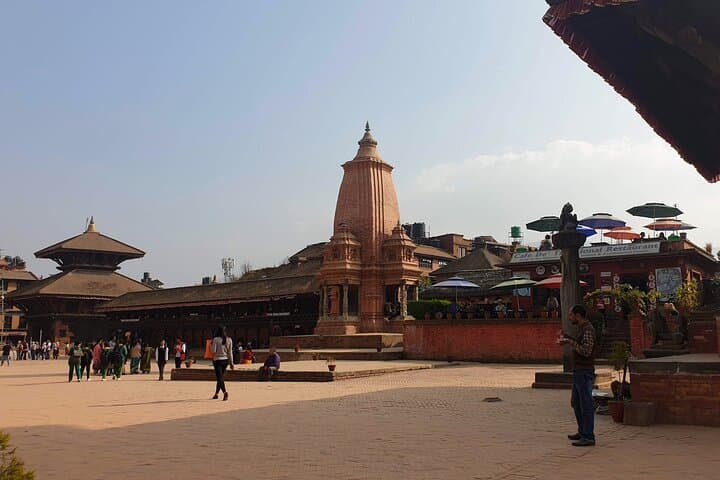
Built in the 14th century and now a UNESCO World Heritage Site, Boudhanath anchors a day that moves between Buddhist pilgrimage, Newar neighborhoods and riverside parks. Bhaktapur’s Nagadesh and its pottery quarter preserve medieval urban patterns laid down by the Malla kings; the Bagmati River cuts a cooler corridor where the Shankha Statue Park offers a quieter riverside bench.
Geologically the Kathmandu Valley sits in an ancient lake basin ringed by low hills; that bowl shapes the microclimate and the compact street network you’ll navigate. Expect stone lanes, stepped courtyards and lanes where artisans shape wood and clay in sight of community shrines.
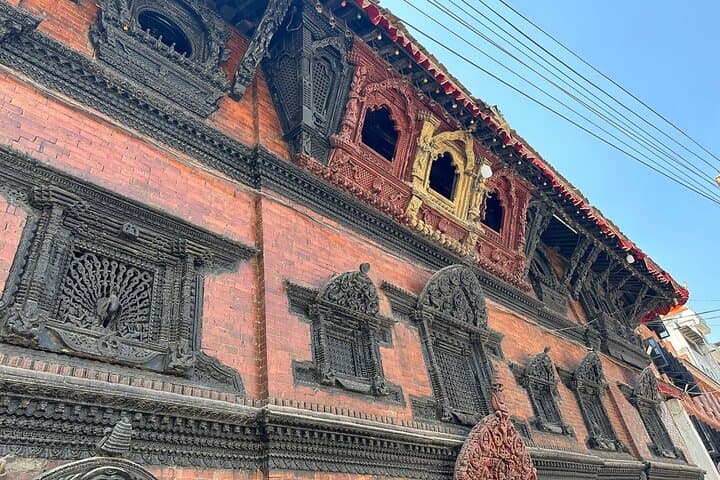
Practically: this private, 4–5 hour walking tour is mostly on paved or compacted surfaces with short stair sections. Plan comfortable shoes, modest clothing for temples, a water bottle and small local cash for donations or purchases. Morning departures reduce congestion at major sites; late afternoons bring golden light across brick façades. Guides explain iconography, daily rituals and practical etiquette—how to circumambulate stupas, where to remove shoes and when to ask before photographing. The experience balances close cultural observation with manageable walking and frequent stops, giving a clear window into Kathmandu Valley’s living heritage.
easy.
4–5 hours.
Suitable for most fitness levels; involves several hours of walking on paved streets and short stair sections.
The private tour lasts about 4–5 hours and includes moderate walking on paved streets, courtyards and a few stair sections; it’s paced with frequent stops.
Major sites in this itinerary generally allow outside viewing without a fee, but some historical areas (e.g., parts of Bhaktapur Durbar) may charge local entry—bring small cash just in case.
Yes—this tour is described as physically easy and suitable for all ages; infants may need laps and parents should plan for frequent breaks.
Photography is usually allowed at outdoor stupas and streets, but you should always ask before photographing inside monasteries or people during ritual moments and respect signage.
Boudhanath was rebuilt and expanded after the 14th century and sits on historic trade routes; Bhaktapur preserves Newar urban planning and guild workshops from the Malla period.
Local sites face pressure from tourism and waste; reduce single‑use plastics, support certified local artisans, and follow guide directions to minimize impact.
Sabbatical Explore Nepal operates guided outdoor trips and adventures with an emphasis on safety, stewardship, and memorable experiences.
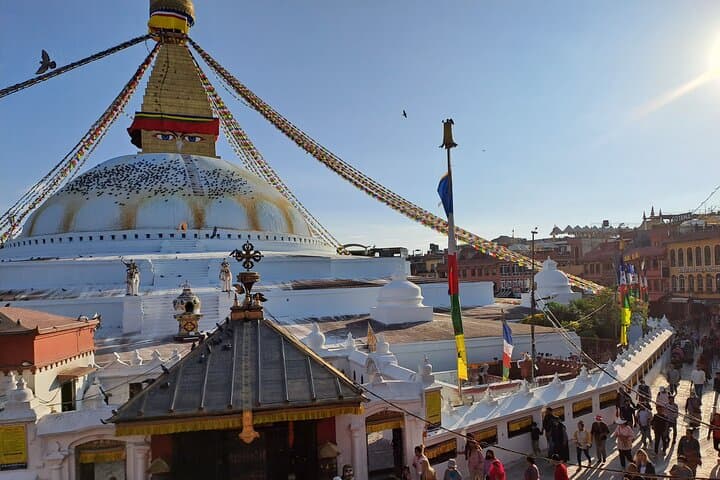
You step from a narrow Kathmandu street into a widening ring of prayer flags and the slow turning of mani wheels. The white dome of Boudhanath rises above low shops, painted eyes watching the flow of monks, tourists and shopkeepers—an active center where ritual and daily life move at the same pace.
You step from a narrow Kathmandu street into a widening ring of prayer flags and the slow turning of mani wheels. The white dome of Boudhanath rises above low shops, painted eyes watching the flow of monks, tourists and shopkeepers—an active center where ritual and daily life move at the same pace.
Built in the 14th century and now a UNESCO World Heritage Site, Boudhanath anchors a day that moves between Buddhist pilgrimage, Newar neighborhoods and riverside parks. Bhaktapur’s Nagadesh and its pottery quarter preserve medieval urban patterns laid down by the Malla kings; the Bagmati River cuts a cooler corridor where the Shankha Statue Park offers a quieter riverside bench.
Geologically the Kathmandu Valley sits in an ancient lake basin ringed by low hills; that bowl shapes the microclimate and the compact street network you’ll navigate. Expect stone lanes, stepped courtyards and lanes where artisans shape wood and clay in sight of community shrines.
Practically: this private, 4–5 hour walking tour is mostly on paved or compacted surfaces with short stair sections. Plan comfortable shoes, modest clothing for temples, a water bottle and small local cash for donations or purchases. Morning departures reduce congestion at major sites; late afternoons bring golden light across brick façades. Guides explain iconography, daily rituals and practical etiquette—how to circumambulate stupas, where to remove shoes and when to ask before photographing. The experience balances close cultural observation with manageable walking and frequent stops, giving a clear window into Kathmandu Valley’s living heritage.