THE ADVENTURE COLLECTIVE® · Independent discovery and booking for outdoor travel

Walk a private reserve on Chiloé’s Huillinco Lake shore to see Valdivian rainforest, volcanic stones and shy pudú deer. Small-group guides, limited visitors and lakeside viewpoints make this a quiet, wildlife-focused half-day excursion.
Walk a private reserve on Chiloé’s Huillinco Lake shore to see Valdivian rainforest, volcanic stones and shy pudú deer. Small-group guides, limited visitors and lakeside viewpoints make this a quiet, wildlife-focused half-day excursion.
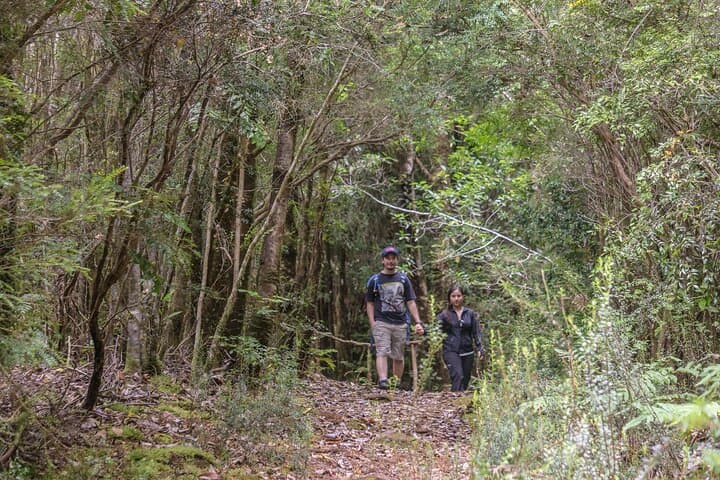
A narrow road drops you toward the southern shore of Huillinco Lake and the air changes—damp, green, and threaded with the salt of nearby sea channels. The Bosque Piedra Reserve is a private conservation parcel on Chiloé Island where trunks lean heavy with moss and stone formations punctuate understory fern beds. On clear mornings the glassy lake mirrors the cloud-draped hills; on windier days the trees lean into the gusts like travelers braced for a climb.
Verified experiences and guided adventures in the surrounding area.
Operated by Turismo Pangue · Castro, Los Lagos
A narrow road drops you toward the southern shore of Huillinco Lake and the air changes—damp, green, and threaded with the salt of nearby sea channels. The Bosque Piedra Reserve is a private conservation parcel on Chiloé Island where trunks lean heavy with moss and stone formations punctuate understory fern beds. On clear mornings the glassy lake mirrors the cloud-draped hills; on windier days the trees lean into the gusts like travelers braced for a climb.
This stretch of Chiloé belongs to the Valdivian temperate rainforest, a geologic and ecological holdover from when southern South America’s climate was warmer and wetter. The reserve preserves native forest types, peat soils and volcanic-derived stones that surface as small cliffs and erratic boulders—features that give the place its “stone forest” name. Culturally, the land reflects Chilote stewardship: small-scale conservation led by local landowners, and a landscape shaped by fishing, small farms, and curanto feasts in nearby coastal villages.
Expect a guided, small-group walk (the tour runs roughly 4–6 hours) with stops at the Huillinco lakeshore, viewpoints over the forest, and close but respectful looks for pudú deer and resident birdlife. Trails are uneven, muddy in places and occasionally steep; good boots and rain layers are practical. Bring water, binoculars, and a charged camera—cell signal is intermittent. The private-reserve model means fewer visitors and a low-impact experience; follow guide instructions on staying to trails and carrying out waste. Morning light rewards photographers and wildlife watchers; afternoons can bring showers and brisk winds off the lake.
moderate.
4–6 hours.
Moderate fitness recommended: able to walk uneven trails with occasional short climbs for several hours.
The excursion runs about 4–6 hours and includes a lakeshore stop and a guided walk through the private reserve with time to photograph and observe wildlife.
The tour is family-friendly but requires moderate mobility; infant seats are available in transport, and travelers should be comfortable walking on uneven ground.
Admission to the private reserve is included; shared tours are limited (max around six travelers), keeping the visit low-impact and uncrowded.
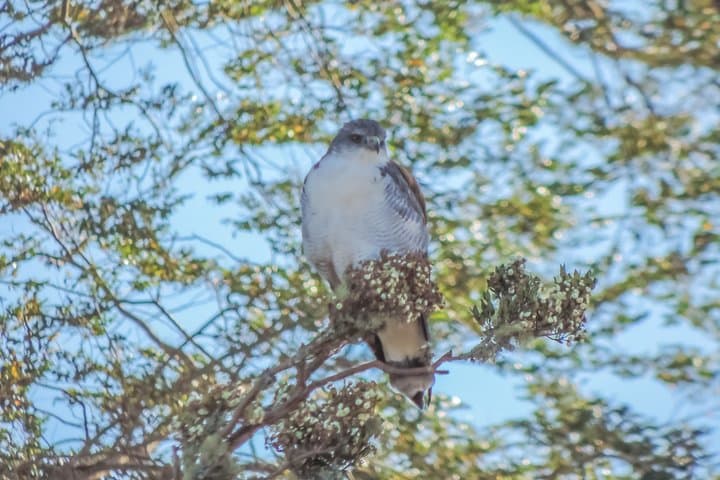
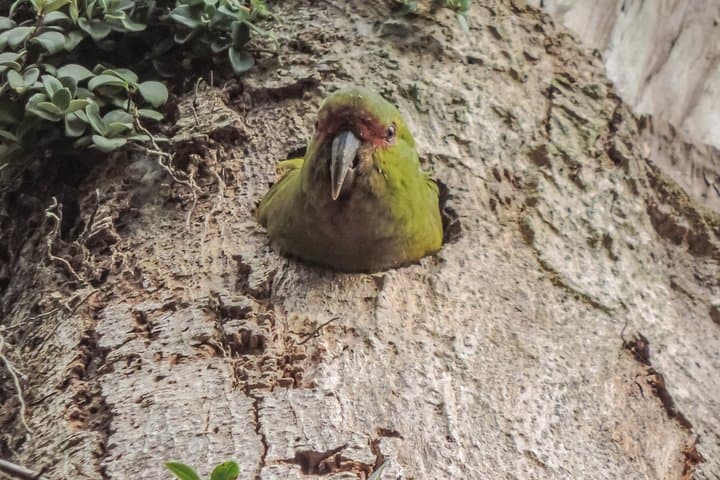
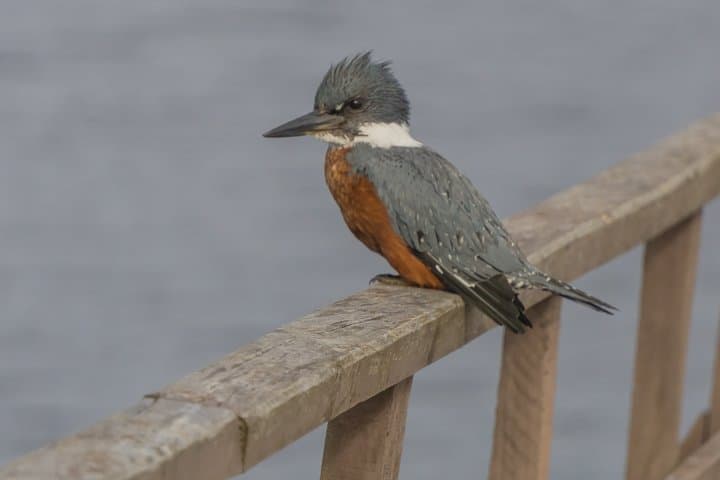
Pudú deer, chucao and other forest birds are possible sightings—early mornings and calm, overcast days increase wildlife activity.
The reserve protects remnants of Valdivian temperate rainforest and volcanic stone outcrops; it’s a private conservation initiative preserving native flora and fauna on Chiloé Island.
Limited group sizes and private stewardship reduce visitor impact; follow guide rules, stay on trails and pack out waste to support ongoing conservation.
Turismo Pangue operates guided outdoor trips and adventures with an emphasis on safety, stewardship, and memorable experiences.
A narrow road drops you toward the southern shore of Huillinco Lake and the air changes—damp, green, and threaded with the salt of nearby sea channels. The Bosque Piedra Reserve is a private conservation parcel on Chiloé Island where trunks lean heavy with moss and stone formations punctuate understory fern beds. On clear mornings the glassy lake mirrors the cloud-draped hills; on windier days the trees lean into the gusts like travelers braced for a climb.
A narrow road drops you toward the southern shore of Huillinco Lake and the air changes—damp, green, and threaded with the salt of nearby sea channels. The Bosque Piedra Reserve is a private conservation parcel on Chiloé Island where trunks lean heavy with moss and stone formations punctuate understory fern beds. On clear mornings the glassy lake mirrors the cloud-draped hills; on windier days the trees lean into the gusts like travelers braced for a climb.
This stretch of Chiloé belongs to the Valdivian temperate rainforest, a geologic and ecological holdover from when southern South America’s climate was warmer and wetter. The reserve preserves native forest types, peat soils and volcanic-derived stones that surface as small cliffs and erratic boulders—features that give the place its “stone forest” name. Culturally, the land reflects Chilote stewardship: small-scale conservation led by local landowners, and a landscape shaped by fishing, small farms, and curanto feasts in nearby coastal villages.
Expect a guided, small-group walk (the tour runs roughly 4–6 hours) with stops at the Huillinco lakeshore, viewpoints over the forest, and close but respectful looks for pudú deer and resident birdlife. Trails are uneven, muddy in places and occasionally steep; good boots and rain layers are practical. Bring water, binoculars, and a charged camera—cell signal is intermittent. The private-reserve model means fewer visitors and a low-impact experience; follow guide instructions on staying to trails and carrying out waste. Morning light rewards photographers and wildlife watchers; afternoons can bring showers and brisk winds off the lake.