THE ADVENTURE COLLECTIVE® · Independent discovery and booking for outdoor travel

Explore Bhutan with a local guide who threads together Thimphu’s town life, hilltop stupas, and high mountain passes. This private tour pairs cultural insight with manageable walks and sweeping Himalayan views.
Explore Bhutan with a local guide who threads together Thimphu’s town life, hilltop stupas, and high mountain passes. This private tour pairs cultural insight with manageable walks and sweeping Himalayan views.
You step from a low-slung jeep into crisp mountain air; prayer flags snap like small flares above the valley and a local guide folds a map into stories—about dzongs, pilgrim routes, and where the rhododendrons climb the slopes. The day moves between human craft and high-country geology: carving rivers have gouged narrow valleys, and terraced fields cling to slopes below ancient fortresses.
Verified experiences and guided adventures in the surrounding area.
Operated by Mindful Sangay · Thimphu, Thimphu District
You step from a low-slung jeep into crisp mountain air; prayer flags snap like small flares above the valley and a local guide folds a map into stories—about dzongs, pilgrim routes, and where the rhododendrons climb the slopes. The day moves between human craft and high-country geology: carving rivers have gouged narrow valleys, and terraced fields cling to slopes below ancient fortresses.
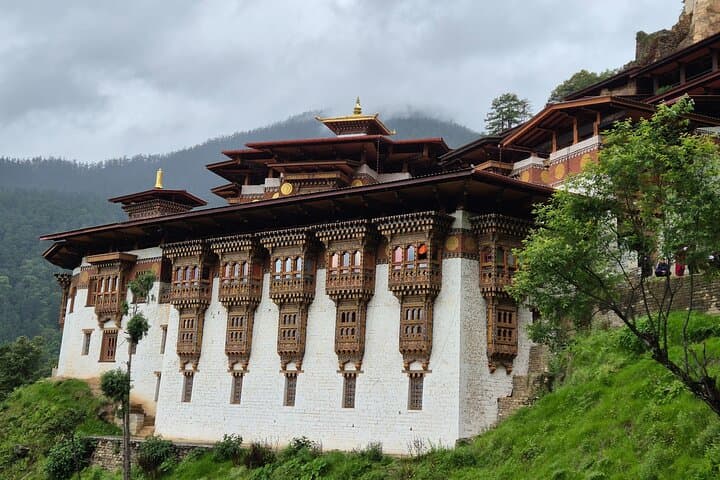
Bhutan’s modern identity is stitched to its monasteries and theocratic history. Dzongs—fortress-temples built in the 17th century—still host civil and religious life, while the high passes keep weather and trade rhythms in check. Guides interpret folkloric figures such as Lama Drukpa Kuenley and point to centuries-old chortens that mark line-of-sight routes across ridgelines.
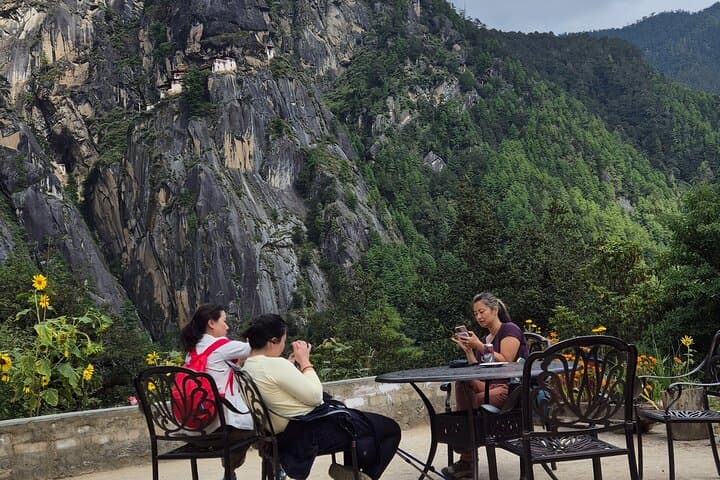
Expect a mix of short walks, roadside viewpoints, and cultural stops: Thimphu’s Clock Tower, a hilltop Buddha, Punakha’s imposing dzong, and Paro’s cliffside monasteries. Terrain ranges from paved valley roads to compact dirt trails and a few steep stone approaches to hilltop temples.
Practical guidance: allow full days, bring layered clothing for rapid temperature swings, and plan for moderate uphill walking (sturdy footwear recommended). Carry water, a daypack, passport copies, and any necessary medications—altitude and sun exposure are real factors. Photography is welcomed but observe dress and behavior at religious sites. A knowledgeable local guide not only navigates roads and permits, they translate etiquette and point you toward quieter viewpoints where the mountains feel like they’re nudging you onward.
moderate.
4–15 hours.
Suitable for travelers with moderate fitness—able to walk up steep stone steps and stand for guided explanations.
Yes—visas and day permits are required and are typically arranged by your tour operator or guide as part of the booking process.
Walks are generally short to moderate—paved valley strolls and uphill stone approaches to monasteries; expect some steep sections but no technical climbing.
You may reach elevations around 2,300–3,000 m; take time to acclimatize, stay hydrated, and inform your guide if you feel unwell.
Private transportation and a local guide are included; check your booking confirmation for meal inclusions and any additional entrance fees.
Bhutan’s dzongs date largely to the 17th century under Zhabdrung Ngawang Namgyal’s unification; many sites combine administrative and monastic roles to this day.
Bhutan emphasizes environmental stewardship and limits on development; visitors should stick to trails, minimize plastic waste, and follow local guidelines to protect fragile alpine ecosystems.
Mindful Sangay operates guided outdoor trips and adventures with an emphasis on safety, stewardship, and memorable experiences.
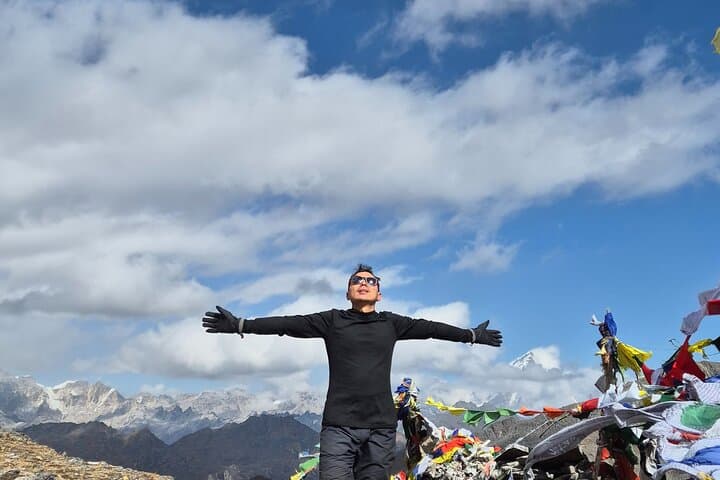
You step from a low-slung jeep into crisp mountain air; prayer flags snap like small flares above the valley and a local guide folds a map into stories—about dzongs, pilgrim routes, and where the rhododendrons climb the slopes. The day moves between human craft and high-country geology: carving rivers have gouged narrow valleys, and terraced fields cling to slopes below ancient fortresses.
You step from a low-slung jeep into crisp mountain air; prayer flags snap like small flares above the valley and a local guide folds a map into stories—about dzongs, pilgrim routes, and where the rhododendrons climb the slopes. The day moves between human craft and high-country geology: carving rivers have gouged narrow valleys, and terraced fields cling to slopes below ancient fortresses.
Bhutan’s modern identity is stitched to its monasteries and theocratic history. Dzongs—fortress-temples built in the 17th century—still host civil and religious life, while the high passes keep weather and trade rhythms in check. Guides interpret folkloric figures such as Lama Drukpa Kuenley and point to centuries-old chortens that mark line-of-sight routes across ridgelines.
Expect a mix of short walks, roadside viewpoints, and cultural stops: Thimphu’s Clock Tower, a hilltop Buddha, Punakha’s imposing dzong, and Paro’s cliffside monasteries. Terrain ranges from paved valley roads to compact dirt trails and a few steep stone approaches to hilltop temples.
Practical guidance: allow full days, bring layered clothing for rapid temperature swings, and plan for moderate uphill walking (sturdy footwear recommended). Carry water, a daypack, passport copies, and any necessary medications—altitude and sun exposure are real factors. Photography is welcomed but observe dress and behavior at religious sites. A knowledgeable local guide not only navigates roads and permits, they translate etiquette and point you toward quieter viewpoints where the mountains feel like they’re nudging you onward.