THE ADVENTURE COLLECTIVE® · Independent discovery and booking for outdoor travel

See Berlin from street level on a private rickshaw that combines shopping stops, food markets and historical highlights. Comfortable and customizable, it’s a low-effort way to cover big-city sights with local context.
See Berlin from street level on a private rickshaw that combines shopping stops, food markets and historical highlights. Comfortable and customizable, it’s a low-effort way to cover big-city sights with local context.
The rickshaw glides through a patchwork of streets, the hum of trams and distant chatter folding into the city’s rhythm as storefronts and market stalls slide past. Wrapped in a blanket under a small roof, you sit low enough to feel the cobblestones and high enough to see the façades—KaDeWe’s glassy edges, the youthful chaos of Mauerpark, the ordered lines of Friedrichstraße.
Verified experiences and guided adventures in the surrounding area.
Operated by Berlin-Rickshaw / Berlin-Excursions · Berlin, Berlin
The rickshaw glides through a patchwork of streets, the hum of trams and distant chatter folding into the city’s rhythm as storefronts and market stalls slide past. Wrapped in a blanket under a small roof, you sit low enough to feel the cobblestones and high enough to see the façades—KaDeWe’s glassy edges, the youthful chaos of Mauerpark, the ordered lines of Friedrichstraße.
Berlin wears its history on its streets: imperial department stores from the early 1900s, postwar scars now repaired into museums and cafés, and the Cold War’s checkpoints reimagined as interpretive sites. Geology here is quiet—an East German plain carved by glacial advances and threaded by the Spree—yet the city’s layers feel geological in their own right: sedimented neighborhoods, built and rebuilt over centuries.
Culturally this tour moves fast. Your driver can pause for street food in Kreuzberg, duck into a secluded courtyard gallery near Hackesche Höfe, or roll past memorials with short contextual stops. The experience is less a lecture than a curated urban ride: shopping, bites, and local color delivered without the navigation fuss.
Practical guide: book private rickshaws for two; larger groups are paired rickshaws. Expect light stops for photos and markets; bring a small bag for purchases—the driver can stow packages. Tours run 2–8 hours, and routes concentrate in Mitte, Kurfürstendamm, and Kreuzberg. Morning light is best for photos and cooler temperatures; afternoons are ideal for markets and food sampling. Wear comfortable shoes for occasional short walks, carry a reusable water bottle, and keep a card or small cash for market purchases. Respect traffic rules and public spaces—this is a low-impact, human-powered way to see a large city efficiently.
easy.
2–8 hours.
Suitable for all fitness levels; minimal walking required but be prepared for short on/off moments.
Each rickshaw seats up to two passengers; larger groups are split into multiple rickshaws that travel together.
Yes—routes are flexible and guides can prioritize shopping, food markets, art studios, or historic sites based on your preferences.
The rickshaw can accommodate some less-mobile guests and small strollers with assistance; contact the operator ahead to discuss specific accessibility needs.
Full refunds are available if you cancel at least 24 hours before the scheduled departure; check your booking confirmation for details.
Shopping streets like Kurfürstendamm and Friedrichstraße grew with Berlin’s rapid expansion in the late 19th and early 20th centuries; postwar division later reshaped the city’s commercial map.
Choose low-impact tours like rickshaws to reduce emissions and ask guides to avoid over-visiting fragile memorial sites; support local vendors to keep economies resilient.
Berlin-Rickshaw / Berlin-Excursions operates guided outdoor trips and adventures with an emphasis on safety, stewardship, and memorable experiences.
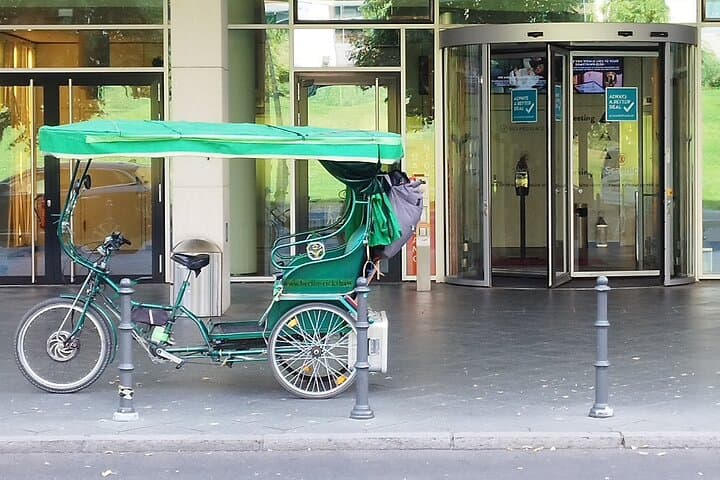
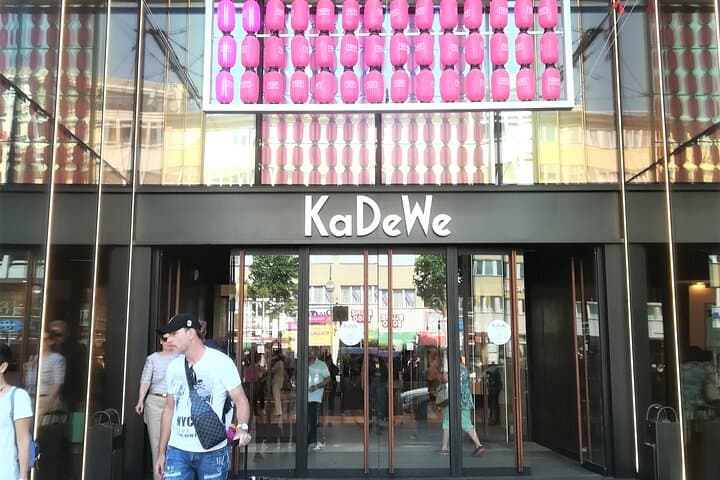
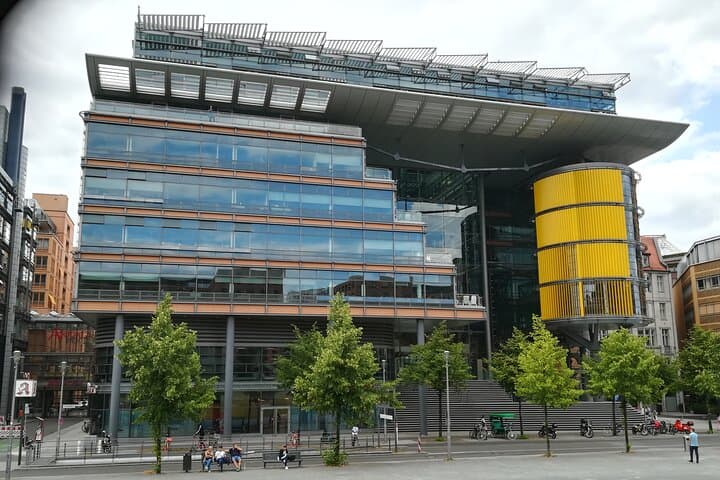
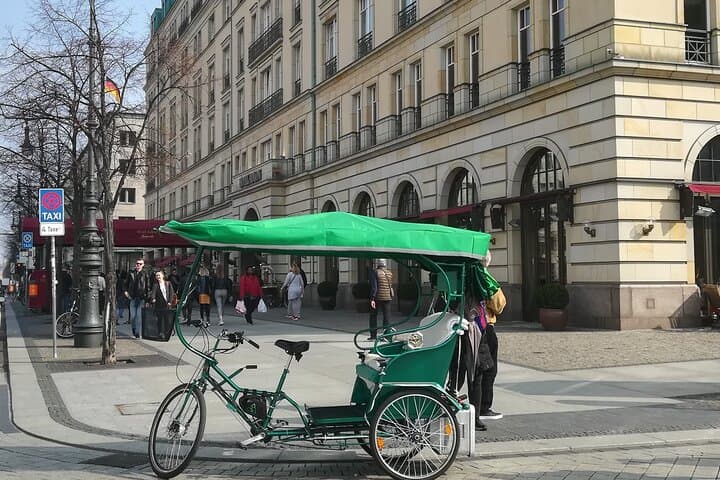
The rickshaw glides through a patchwork of streets, the hum of trams and distant chatter folding into the city’s rhythm as storefronts and market stalls slide past. Wrapped in a blanket under a small roof, you sit low enough to feel the cobblestones and high enough to see the façades—KaDeWe’s glassy edges, the youthful chaos of Mauerpark, the ordered lines of Friedrichstraße.
The rickshaw glides through a patchwork of streets, the hum of trams and distant chatter folding into the city’s rhythm as storefronts and market stalls slide past. Wrapped in a blanket under a small roof, you sit low enough to feel the cobblestones and high enough to see the façades—KaDeWe’s glassy edges, the youthful chaos of Mauerpark, the ordered lines of Friedrichstraße.
Berlin wears its history on its streets: imperial department stores from the early 1900s, postwar scars now repaired into museums and cafés, and the Cold War’s checkpoints reimagined as interpretive sites. Geology here is quiet—an East German plain carved by glacial advances and threaded by the Spree—yet the city’s layers feel geological in their own right: sedimented neighborhoods, built and rebuilt over centuries.
Culturally this tour moves fast. Your driver can pause for street food in Kreuzberg, duck into a secluded courtyard gallery near Hackesche Höfe, or roll past memorials with short contextual stops. The experience is less a lecture than a curated urban ride: shopping, bites, and local color delivered without the navigation fuss.
Practical guide: book private rickshaws for two; larger groups are paired rickshaws. Expect light stops for photos and markets; bring a small bag for purchases—the driver can stow packages. Tours run 2–8 hours, and routes concentrate in Mitte, Kurfürstendamm, and Kreuzberg. Morning light is best for photos and cooler temperatures; afternoons are ideal for markets and food sampling. Wear comfortable shoes for occasional short walks, carry a reusable water bottle, and keep a card or small cash for market purchases. Respect traffic rules and public spaces—this is a low-impact, human-powered way to see a large city efficiently.