THE ADVENTURE COLLECTIVE® · Independent discovery and booking for outdoor travel

Ride a quiet electric tuk‑tuk through Belém’s riverfront monuments, narrow lanes, and pastry stops on this private two‑hour tour. See Jerónimos Monastery, Belém Tower and the Discoveries Monument with a local guide who tailors the route to avoid crowds.
Ride a quiet electric tuk‑tuk through Belém’s riverfront monuments, narrow lanes, and pastry stops on this private two‑hour tour. See Jerónimos Monastery, Belém Tower and the Discoveries Monument with a local guide who tailors the route to avoid crowds.
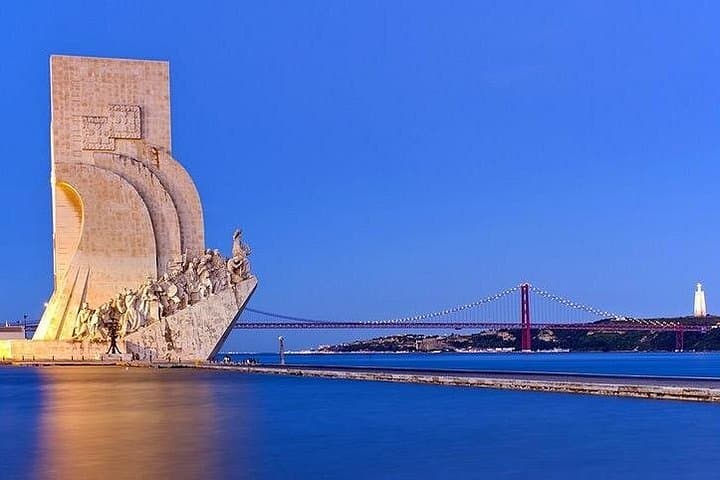
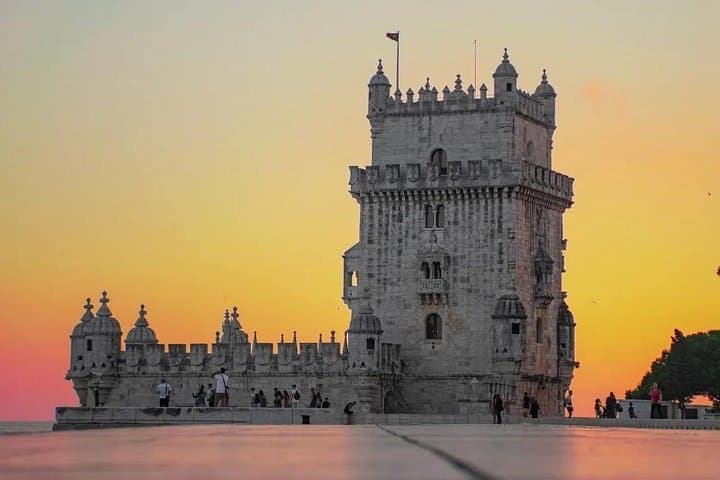
The Tuk-Tuk glides away from the Praça Afonso de Albuquerque, the Tagus river to your right pressing forward like a slow, salt-scented current. Ceramic tiles flash blue on façades; a low electric hum replaces the city’s honk, and the guide points out a spire of Manueline stone peeking over plane trees. In two hours this compact circuit threads narrow alleys and riverfront boulevards, stopping for photos at Belém Tower and the Padrão dos Descobrimentos and for a taste of the original Pastéis de Belém.
Verified experiences and guided adventures in the surrounding area.
Operated by Tourism Hub Lisbon · Lisbon, Lisboa
The Tuk-Tuk glides away from the Praça Afonso de Albuquerque, the Tagus river to your right pressing forward like a slow, salt-scented current. Ceramic tiles flash blue on façades; a low electric hum replaces the city’s honk, and the guide points out a spire of Manueline stone peeking over plane trees. In two hours this compact circuit threads narrow alleys and riverfront boulevards, stopping for photos at Belém Tower and the Padrão dos Descobrimentos and for a taste of the original Pastéis de Belém.
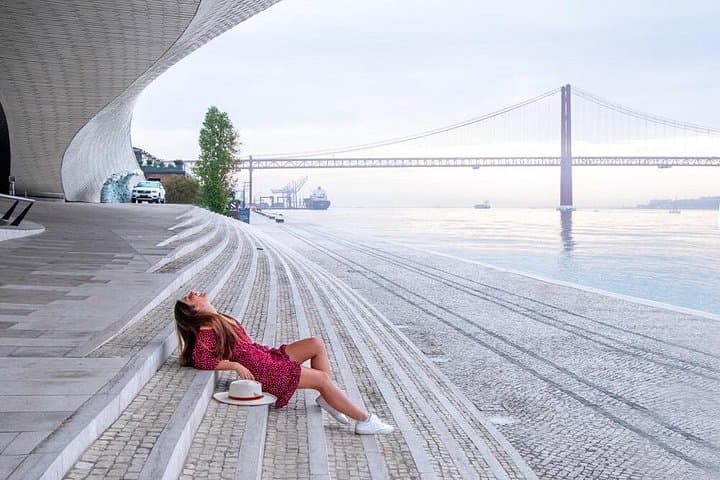
Belém was the launch point for Portugal’s 15th‑century voyages; the Jerónimos Monastery and Discoveries Monument commemorate that Age of Discovery. Geologically the Tagus estuary shaped the neighbourhood—sandy banks and tidal flats created the waterfront that became a ceremonial gateway for explorers. Today Belém mixes maritime museums, contemporary MAAT architecture, and pockets of industrial creativity like LX Factory across the Alcântara bridge.
Practically: this is a private, customizable two‑hour loop best taken early to avoid queues at the monastery and bakery. The small electric vehicles navigate lanes larger coaches can’t, but expect cobbled streets and brief walks at viewpoints. Carry a light layer against river breezes, a refillable water bottle, and a camera with fast access. The tour is family‑friendly and quiet, but not recommended for travelers with serious spinal or cardiac conditions—confirm accessibility at booking. For a compact dose of Lisbon’s history, architecture, and waterfront life, the tuk‑tuk turns a crowded itinerary into a measured, movable viewpoint with room for surprises.
easy.
2 hours.
Suitable for most fitness levels; requires short, gentle walks and the ability to step in and out of a low vehicle.
No; the tour provides commentary and external stops at monuments. Admissions to sites like the Jerónimos Monastery or Belém Tower are typically paid on site or prebooked separately.
Vehicles are small and best for private groups; capacity varies by operator—confirm the passenger limit when booking to ensure the right number of vehicles.
Accessibility is limited due to cobbles, steps at some viewpoints, and the low vehicle; contact the operator for specifics and to arrange accommodations if needed.
Yes—most itineraries include a stop at the original Pastéis de Belém to taste the custard tarts, though purchases are not included in the tour price.
Belém grew wealthy during the Age of Discoveries; the Manueline style at Jerónimos Monastery celebrates 15th‑century maritime expansion.
The area balances heavy tourism with conservation efforts focused on protecting the Tagus riverside habitat and managing visitor impact at key monuments; using electric transport reduces local emissions.
Tourism Hub Lisbon operates guided outdoor trips and adventures with an emphasis on safety, stewardship, and memorable experiences.

The Tuk-Tuk glides away from the Praça Afonso de Albuquerque, the Tagus river to your right pressing forward like a slow, salt-scented current. Ceramic tiles flash blue on façades; a low electric hum replaces the city’s honk, and the guide points out a spire of Manueline stone peeking over plane trees. In two hours this compact circuit threads narrow alleys and riverfront boulevards, stopping for photos at Belém Tower and the Padrão dos Descobrimentos and for a taste of the original Pastéis de Belém.
The Tuk-Tuk glides away from the Praça Afonso de Albuquerque, the Tagus river to your right pressing forward like a slow, salt-scented current. Ceramic tiles flash blue on façades; a low electric hum replaces the city’s honk, and the guide points out a spire of Manueline stone peeking over plane trees. In two hours this compact circuit threads narrow alleys and riverfront boulevards, stopping for photos at Belém Tower and the Padrão dos Descobrimentos and for a taste of the original Pastéis de Belém.
Belém was the launch point for Portugal’s 15th‑century voyages; the Jerónimos Monastery and Discoveries Monument commemorate that Age of Discovery. Geologically the Tagus estuary shaped the neighbourhood—sandy banks and tidal flats created the waterfront that became a ceremonial gateway for explorers. Today Belém mixes maritime museums, contemporary MAAT architecture, and pockets of industrial creativity like LX Factory across the Alcântara bridge.
Practically: this is a private, customizable two‑hour loop best taken early to avoid queues at the monastery and bakery. The small electric vehicles navigate lanes larger coaches can’t, but expect cobbled streets and brief walks at viewpoints. Carry a light layer against river breezes, a refillable water bottle, and a camera with fast access. The tour is family‑friendly and quiet, but not recommended for travelers with serious spinal or cardiac conditions—confirm accessibility at booking. For a compact dose of Lisbon’s history, architecture, and waterfront life, the tuk‑tuk turns a crowded itinerary into a measured, movable viewpoint with room for surprises.