THE ADVENTURE COLLECTIVE® · Independent discovery and booking for outdoor travel

See Bath’s Georgian crescents, Gothic abbey, and riverside charm in a focused 60–90 minute walk led by a knowledgeable local. Small groups make it easy to ask questions and get tailored recommendations for food, pubs, and side streets worth exploring.
See Bath’s Georgian crescents, Gothic abbey, and riverside charm in a focused 60–90 minute walk led by a knowledgeable local. Small groups make it easy to ask questions and get tailored recommendations for food, pubs, and side streets worth exploring.
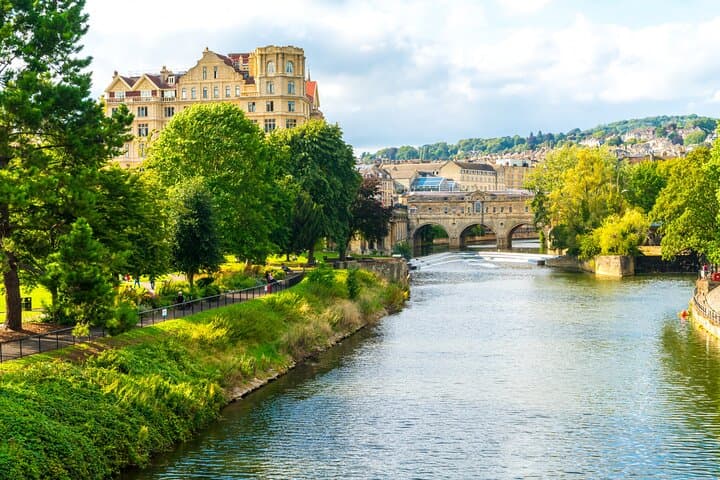
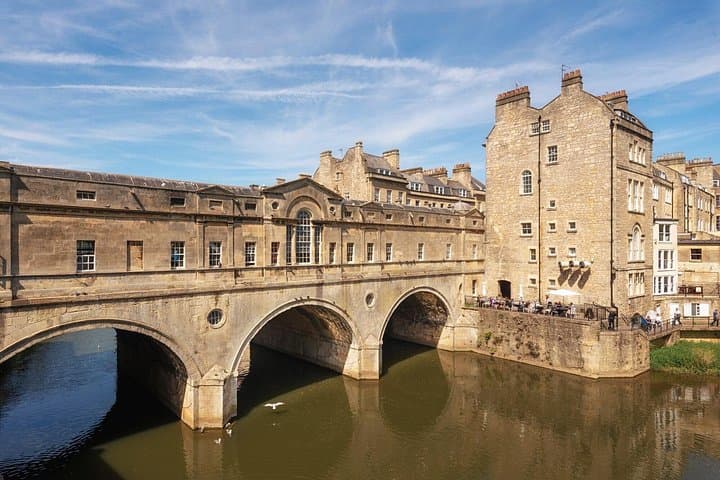
Stand on Pulteney Bridge and feel the River Avon tug at the city; it moves like a guide, pushing you downstream past shop-fronts and under low arches. In an hour and a half a local will lead you along compact streets where the stone itself keeps score: warm, honey-coloured Bath stone carved from nearby Combe Down, worn smooth by centuries of footsteps.
Verified experiences and guided adventures in the surrounding area.
Operated by LocalBini - The go-to platform for Experiences by Locals in the United Kingdom · Bath, Somerset
Stand on Pulteney Bridge and feel the River Avon tug at the city; it moves like a guide, pushing you downstream past shop-fronts and under low arches. In an hour and a half a local will lead you along compact streets where the stone itself keeps score: warm, honey-coloured Bath stone carved from nearby Combe Down, worn smooth by centuries of footsteps.
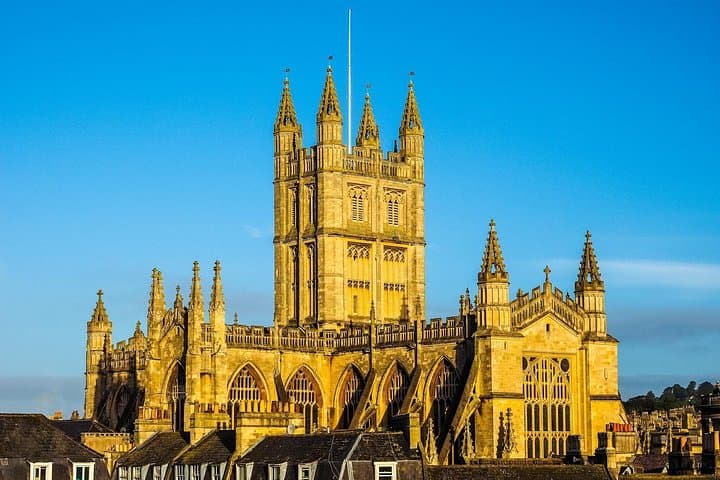
You’ll pass Bath Abbey with its soaring fan-vaulted ceiling and the compact footprint of the Roman Baths—remnants of a Roman spa culture that put this settlement on maps nearly two millennia ago. Georgian builders answered the hot springs with uniform crescents and circuses: The Circus and Royal Crescent show the discipline of 18th-century urban design and the social rituals of promenading and tea. Local life threads through modern cafes, independent bookshops, and pubs that still serve stories as well as pints.
Practical notes you’ll want: this small-group walk (max 8) is adaptable to pace and interest but doesn’t include museum or Roman Baths entry. Expect cobbles, short inclines, and curbside steps; comfortable shoes matter more than athletic fitness. Public transport hubs are a short walk away and groups typically meet near central landmarks—arrive 10 minutes early.
A local guide will point out quieter corners for après-walk coffee, recommend lesser-known eateries, and flag seasonal events. The route is low-impact and encourages walking as the best way to read both the city’s story and its geology—Bath is a city where history and stone talk to you if you take the time to listen.
easy.
60–90 minutes.
Suitable for most adults and children able to walk on uneven pavement for an hour; limited mobility may face steps.
The itinerary runs 60–90 minutes depending on group pace and stops; advertised length may vary between providers.
Yes—it's an easy-paced walking tour, though those with limited mobility should note there are cobbles and some steps and the tour is not recommended for guests with impaired mobility.
No—entry fees to museums and the Roman Baths are not included; your guide can advise when to book separately.
Groups are small, capped at eight travellers, allowing a more personalized experience and time for questions.
Bath grew from a Roman spa built around natural hot springs and was reshaped in the 18th century into a fashionable Georgian city—its grid and crescents reflect the era’s social architecture.
Bath’s core is a conservation area; stay on paved paths, avoid touching carved stone, and support local independents to keep the centre economically sustainable.
LocalBini - The go-to platform for Experiences by Locals in the United Kingdom operates guided outdoor trips and adventures with an emphasis on safety, stewardship, and memorable experiences.

Stand on Pulteney Bridge and feel the River Avon tug at the city; it moves like a guide, pushing you downstream past shop-fronts and under low arches. In an hour and a half a local will lead you along compact streets where the stone itself keeps score: warm, honey-coloured Bath stone carved from nearby Combe Down, worn smooth by centuries of footsteps.
Stand on Pulteney Bridge and feel the River Avon tug at the city; it moves like a guide, pushing you downstream past shop-fronts and under low arches. In an hour and a half a local will lead you along compact streets where the stone itself keeps score: warm, honey-coloured Bath stone carved from nearby Combe Down, worn smooth by centuries of footsteps.
You’ll pass Bath Abbey with its soaring fan-vaulted ceiling and the compact footprint of the Roman Baths—remnants of a Roman spa culture that put this settlement on maps nearly two millennia ago. Georgian builders answered the hot springs with uniform crescents and circuses: The Circus and Royal Crescent show the discipline of 18th-century urban design and the social rituals of promenading and tea. Local life threads through modern cafes, independent bookshops, and pubs that still serve stories as well as pints.
Practical notes you’ll want: this small-group walk (max 8) is adaptable to pace and interest but doesn’t include museum or Roman Baths entry. Expect cobbles, short inclines, and curbside steps; comfortable shoes matter more than athletic fitness. Public transport hubs are a short walk away and groups typically meet near central landmarks—arrive 10 minutes early.
A local guide will point out quieter corners for après-walk coffee, recommend lesser-known eateries, and flag seasonal events. The route is low-impact and encourages walking as the best way to read both the city’s story and its geology—Bath is a city where history and stone talk to you if you take the time to listen.