THE ADVENTURE COLLECTIVE® · Independent discovery and booking for outdoor travel

Turn Bath’s honey-colored streets into a playable map: this self-guided e-scavenger hunt uses GPS clues to lead you between Pulteney Bridge, the Royal Crescent and hidden corners. Start anytime and explore at your own pace—ideal for families and small groups.
Turn Bath’s honey-colored streets into a playable map: this self-guided e-scavenger hunt uses GPS clues to lead you between Pulteney Bridge, the Royal Crescent and hidden corners. Start anytime and explore at your own pace—ideal for families and small groups.
You start in a narrow lane, phone in hand, and the city seems to tilt toward you—Bath’s honey-colored stone catching the light as if nudging you onward. The River Avon dares you to cross Pulteney Bridge and follow clues that thread through Georgian crescents, intimate squares and green parkland. The hunt turns familiar streets into a sequence of small discoveries: a carved keystone, a quiet doorway, an overlooked plaque that rewrites what you thought you knew.
Verified experiences and guided adventures in the surrounding area.
Operated by Qula · Bath, Somerset
You start in a narrow lane, phone in hand, and the city seems to tilt toward you—Bath’s honey-colored stone catching the light as if nudging you onward. The River Avon dares you to cross Pulteney Bridge and follow clues that thread through Georgian crescents, intimate squares and green parkland. The hunt turns familiar streets into a sequence of small discoveries: a carved keystone, a quiet doorway, an overlooked plaque that rewrites what you thought you knew.
Bath’s story is layered: Roman engineers tapped hot springs and erected baths; 18th-century builders shaped the city from local oolitic limestone into the Royal Crescent and the Circus; later Victorian restorations added new chapters. Geologically, the warm springs reflect the local faulted limestone that made Bath a spa for millennia. Culturally the city wears its UNESCO World Heritage status like a badge—historic facades, museums and the Abbey all visible pauses in the game.
Practical guidance is straightforward. The e-scavenger hunt runs roughly 3–4 hours depending on pace; bring a charged smartphone with GPS and a portable battery because signals and selfies add up. Comfortable walking shoes matter—the route uses cobbles, pavements and park paths. The game is suitable for families, small groups and wheelchair users; clues let you start, pause and finish on your own schedule. Aim for morning or late afternoon to avoid peak tour crowds, and allow time to step into the Roman Baths or a cafe if a clue sends you that way. With curiosity and basic navigation skills you’ll leave with a sharper sense of Bath—not just its landmarks, but the small architectural gestures and local stories that give the city its character.
easy.
3–4 hours.
Light walking fitness; comfortable standing and short uphill/downhill sections.
After booking you receive instructions and a link; open the app or webpage on your smartphone, follow the GPS prompts to the first location and begin.
Yes—routes are planned through largely accessible pavements and parks; some historic sites have steps, but options exist to bypass them.
No—entry fees for the Roman Baths, museums or special exhibitions are not included; the game provides directions and contextual clues only.
Yes—you can start, pause and resume the hunt at your convenience to fit dining, transit or rest breaks.
Bath grew from Roman spa engineering around natural hot springs into an 18th-century Georgian city famed for its cohesive Bath stone architecture.
Bath’s heritage status means foot traffic is managed in sensitive areas; stick to paths, avoid touching delicate stonework and use local waste bins to reduce wear on historic sites.
Qula operates guided outdoor trips and adventures with an emphasis on safety, stewardship, and memorable experiences.



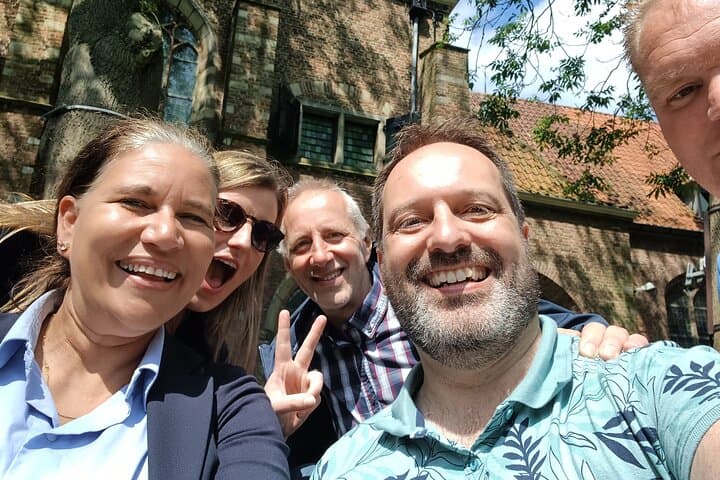
You start in a narrow lane, phone in hand, and the city seems to tilt toward you—Bath’s honey-colored stone catching the light as if nudging you onward. The River Avon dares you to cross Pulteney Bridge and follow clues that thread through Georgian crescents, intimate squares and green parkland. The hunt turns familiar streets into a sequence of small discoveries: a carved keystone, a quiet doorway, an overlooked plaque that rewrites what you thought you knew.
You start in a narrow lane, phone in hand, and the city seems to tilt toward you—Bath’s honey-colored stone catching the light as if nudging you onward. The River Avon dares you to cross Pulteney Bridge and follow clues that thread through Georgian crescents, intimate squares and green parkland. The hunt turns familiar streets into a sequence of small discoveries: a carved keystone, a quiet doorway, an overlooked plaque that rewrites what you thought you knew.
Bath’s story is layered: Roman engineers tapped hot springs and erected baths; 18th-century builders shaped the city from local oolitic limestone into the Royal Crescent and the Circus; later Victorian restorations added new chapters. Geologically, the warm springs reflect the local faulted limestone that made Bath a spa for millennia. Culturally the city wears its UNESCO World Heritage status like a badge—historic facades, museums and the Abbey all visible pauses in the game.
Practical guidance is straightforward. The e-scavenger hunt runs roughly 3–4 hours depending on pace; bring a charged smartphone with GPS and a portable battery because signals and selfies add up. Comfortable walking shoes matter—the route uses cobbles, pavements and park paths. The game is suitable for families, small groups and wheelchair users; clues let you start, pause and finish on your own schedule. Aim for morning or late afternoon to avoid peak tour crowds, and allow time to step into the Roman Baths or a cafe if a clue sends you that way. With curiosity and basic navigation skills you’ll leave with a sharper sense of Bath—not just its landmarks, but the small architectural gestures and local stories that give the city its character.