THE ADVENTURE COLLECTIVE® · Independent discovery and booking for outdoor travel

Walk Barcelona with a local for a private four-hour tour you design. From Roman stones to Gaudí curves, expect conversational pacing, neighborhood secrets, and practical tips to shape the day.
Walk Barcelona with a local for a private four-hour tour you design. From Roman stones to Gaudí curves, expect conversational pacing, neighborhood secrets, and practical tips to shape the day.
You begin where the city breathes easiest — a café table outside a narrow Gothic Quarter lane, steam rising from café con leche as street voices ripple past. Your local guide sketches a route on a napkin: a lullaby of lanes that thread Roman stones, Catalan modernisme, and markets where the sea seems to lend a salt memory to everything. The walk moves at conversational pace, stopping when something worth tasting, reading, or climbing appears.
Verified experiences and guided adventures in the surrounding area.
Operated by Travel with Siobhan · Barcelona, Catalonia
You begin where the city breathes easiest — a café table outside a narrow Gothic Quarter lane, steam rising from café con leche as street voices ripple past. Your local guide sketches a route on a napkin: a lullaby of lanes that thread Roman stones, Catalan modernisme, and markets where the sea seems to lend a salt memory to everything. The walk moves at conversational pace, stopping when something worth tasting, reading, or climbing appears.
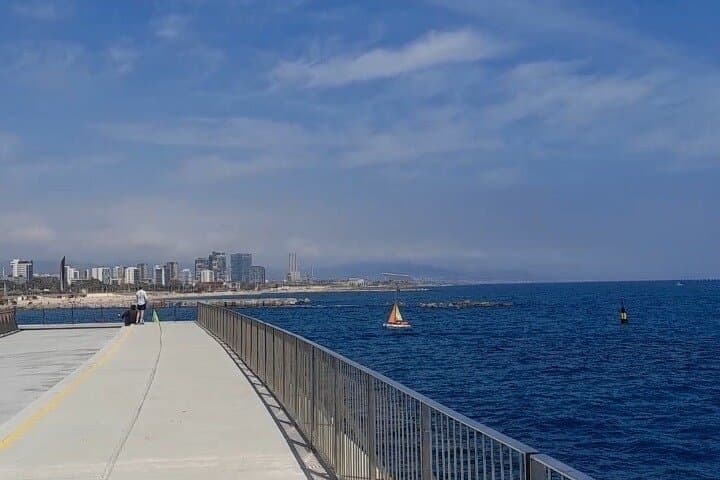
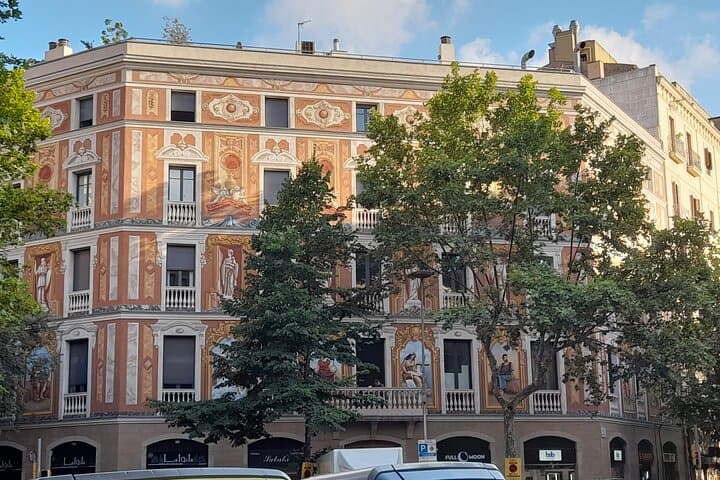
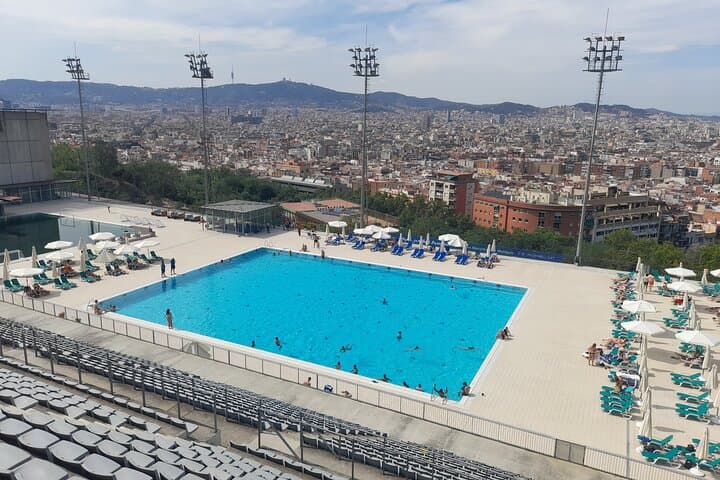
Barcelona sits between the Mediterranean and the Collserola hills, its stone telling a layered history from Roman foundations to Gaudí’s undulating façades and the 19th-century expansion of Eixample. Neighborhood cultures differ sharply — El Born’s artisan workshops and tapas bars contrast with Gràcia’s village squares and the Gothic Quarter’s compact, shadowed streets. Architecture and food anchor the story; the coastline and port give it motion.
Practical guidance: this private, four-hour tour is designed around your interests — food, street art, architecture, or offbeat corners. Expect 2–4 miles of walking on mixed surfaces, some cobblestones and steps. Comfortable shoes, a filled water bottle, and a flexible schedule will keep the day fluid. Guides often point out quieter detours — a tiny chapel, a local vermouth stop, a street gallery — and will adjust for mobility needs when asked in advance.
Timing matters: mornings are cooler and less crowded for Gaudí sites; late afternoons suit tapas and plazas. Use contact with the operator to confirm accessibility, language preference, and any dietary needs before the walk.
moderate.
4 hours.
Suitable for travelers who can walk 2–4 miles over mixed urban terrain and climb stairs; take breaks as needed.
Yes — the tour is fully customizable; you’ll be contacted beforehand to design an itinerary focused on architecture, food, history, street art, or hidden neighborhoods.
The operator notes wheelchair accessibility and can adjust routes, but some historic streets and sites have limited access, so confirm specific needs when booking.
Availability depends on the guide roster; confirm your preferred language during booking to match you with a compatible local guide.
Full refunds are available if you cancel at least 24 hours before the scheduled departure; cancellations within 24 hours are not refundable.
Barcelona’s center grew from a Roman settlement; the city later expanded dramatically in the 19th century under Ildefons Cerdà’s grid plan and was transformed by Modernisme architects like Antoni Gaudí.
Overtourism affects central neighborhoods — favor local businesses, use public transit, and avoid single-use plastics to reduce your footprint.
Travel with Siobhan operates guided outdoor trips and adventures with an emphasis on safety, stewardship, and memorable experiences.
You begin where the city breathes easiest — a café table outside a narrow Gothic Quarter lane, steam rising from café con leche as street voices ripple past. Your local guide sketches a route on a napkin: a lullaby of lanes that thread Roman stones, Catalan modernisme, and markets where the sea seems to lend a salt memory to everything. The walk moves at conversational pace, stopping when something worth tasting, reading, or climbing appears.
You begin where the city breathes easiest — a café table outside a narrow Gothic Quarter lane, steam rising from café con leche as street voices ripple past. Your local guide sketches a route on a napkin: a lullaby of lanes that thread Roman stones, Catalan modernisme, and markets where the sea seems to lend a salt memory to everything. The walk moves at conversational pace, stopping when something worth tasting, reading, or climbing appears.
Barcelona sits between the Mediterranean and the Collserola hills, its stone telling a layered history from Roman foundations to Gaudí’s undulating façades and the 19th-century expansion of Eixample. Neighborhood cultures differ sharply — El Born’s artisan workshops and tapas bars contrast with Gràcia’s village squares and the Gothic Quarter’s compact, shadowed streets. Architecture and food anchor the story; the coastline and port give it motion.
Practical guidance: this private, four-hour tour is designed around your interests — food, street art, architecture, or offbeat corners. Expect 2–4 miles of walking on mixed surfaces, some cobblestones and steps. Comfortable shoes, a filled water bottle, and a flexible schedule will keep the day fluid. Guides often point out quieter detours — a tiny chapel, a local vermouth stop, a street gallery — and will adjust for mobility needs when asked in advance.
Timing matters: mornings are cooler and less crowded for Gaudí sites; late afternoons suit tapas and plazas. Use contact with the operator to confirm accessibility, language preference, and any dietary needs before the walk.