THE ADVENTURE COLLECTIVE® · Independent discovery and booking for outdoor travel

See Bagan’s temple plain in a single, carefully paced day: an air‑conditioned car, a horse cart for the softer lanes, and a local guide who links grand monuments with village craft. Practical and packed with highlights, this private tour shows both famous shrines and everyday workshop life.
See Bagan’s temple plain in a single, carefully paced day: an air‑conditioned car, a horse cart for the softer lanes, and a local guide who links grand monuments with village craft. Practical and packed with highlights, this private tour shows both famous shrines and everyday workshop life.
Morning light in Bagan cuts across red-baked earth and the stubby silhouettes of stupas; a horse cart waits beneath the ghost of an avenue while an air‑conditioned car idles for the next leg. This one‑day private tour moves at a deliberate pace—short walks between temple compounds, photo stops at Ananda and Thatbyinnyu, and time in village workshops that still shape lacquerware by hand.
Verified experiences and guided adventures in the surrounding area.
Operated by Good Life Myanmar Travels and Tours Co., LTD. · Nyaung-U, Mandalay Region
Morning light in Bagan cuts across red-baked earth and the stubby silhouettes of stupas; a horse cart waits beneath the ghost of an avenue while an air‑conditioned car idles for the next leg. This one‑day private tour moves at a deliberate pace—short walks between temple compounds, photo stops at Ananda and Thatbyinnyu, and time in village workshops that still shape lacquerware by hand.
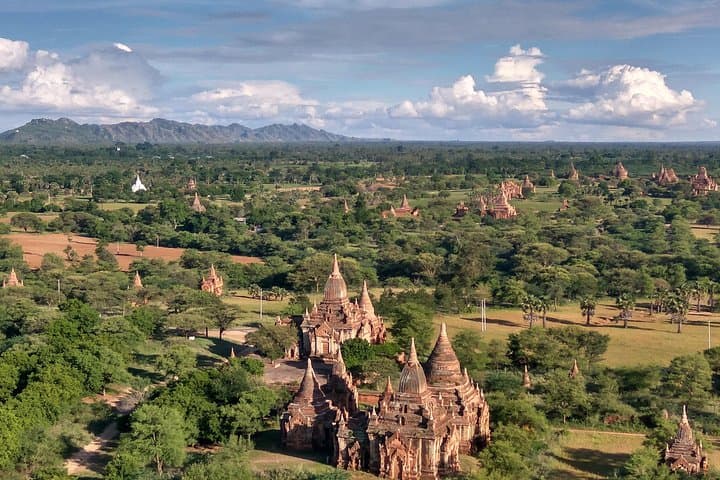
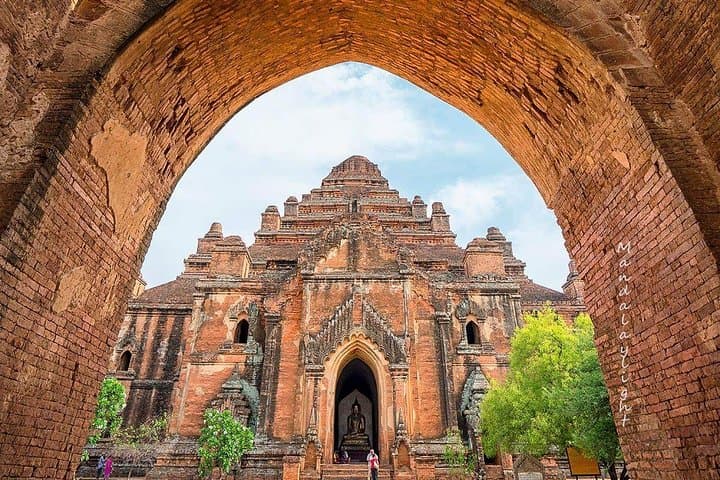
Bagan was the political and spiritual heart of the Pagan Kingdom from the 9th to the 13th century, when artisans raised thousands of brick temples across the plain. The geology of the region—alluvial soil above an ancient river floodplain—produced the clay and mud bricks builders used for stupas that survive in varying conditions today. Culturally, the tour combines grand monuments (Shwezigon, Dhamayangyi, Htilominlo) with living craft traditions in Myinkaba and nearby villages.
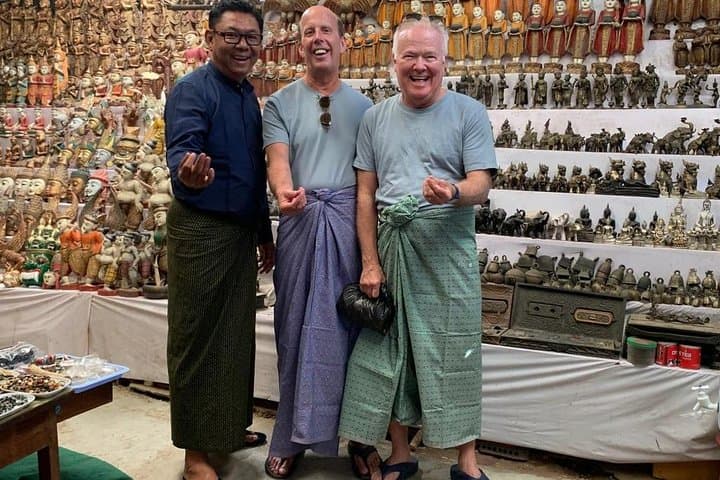
Expect uneven stone steps, low doorways, and mural fragments in dim interior chambers; some temples restrict rooftop access for conservation. Local guides explain iconography and point out masonry techniques that date back centuries, then steer you to quieter lanes where lacquer workshops hum with lacquer potters and drying frames.
Practical notes: the full itinerary is roughly eight hours and includes hotel or airport pickup, an English‑speaking guide, horse cart fees, bottled water, and towels. Bring modest clothing for temple entry, sturdy shoes for dusty paths, sun protection, and small cash for donations or local purchases. Aim to start early or time the last stop for late afternoon light—Bagan’s plains reveal their scale best when shadows lengthen.
easy.
8 hours.
Suitable for most fitness levels; involves short walks on uneven ground and climbing a few steep temple steps.
Yes—the Bagan Archaeological Zone requires an entry permit; prices and enforcement can change, so check current fees before travel.
The horse cart is used for short, unpaved stretches and village lanes; the main transport between distant sites is an air‑conditioned vehicle provided on the tour.
Some temple terraces and rooftops are closed for conservation; your guide will indicate allowed areas and point out where views are best from the ground.
The tour includes vehicle transfers and short walks; some sites have steps and uneven ground, but transportation and select sites can be adjusted—confirm accessibility needs with the operator when booking.
Bagan served as the capital of the Pagan Kingdom (9th–13th centuries) and contains thousands of religious monuments built when the region controlled major trade and agricultural routes.
Many brick temples are fragile; visitors should follow site rules—avoid climbing closed structures, keep to paths, and support local conservation by buying from registered artisans.
Good Life Myanmar Travels and Tours Co., LTD. operates guided outdoor trips and adventures with an emphasis on safety, stewardship, and memorable experiences.
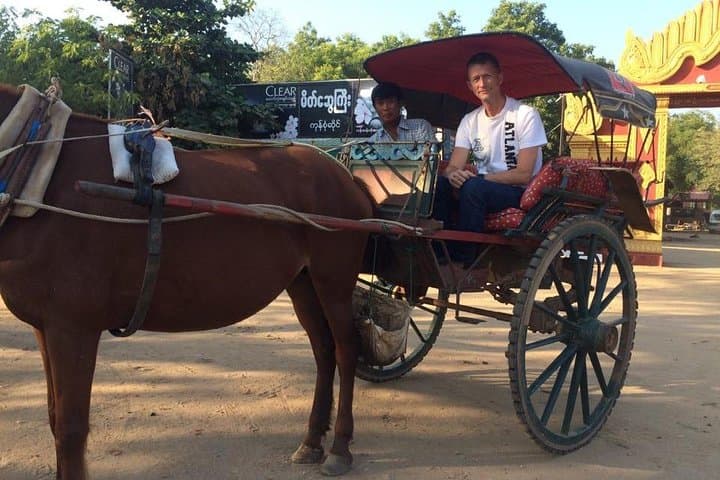
Morning light in Bagan cuts across red-baked earth and the stubby silhouettes of stupas; a horse cart waits beneath the ghost of an avenue while an air‑conditioned car idles for the next leg. This one‑day private tour moves at a deliberate pace—short walks between temple compounds, photo stops at Ananda and Thatbyinnyu, and time in village workshops that still shape lacquerware by hand.
Morning light in Bagan cuts across red-baked earth and the stubby silhouettes of stupas; a horse cart waits beneath the ghost of an avenue while an air‑conditioned car idles for the next leg. This one‑day private tour moves at a deliberate pace—short walks between temple compounds, photo stops at Ananda and Thatbyinnyu, and time in village workshops that still shape lacquerware by hand.
Bagan was the political and spiritual heart of the Pagan Kingdom from the 9th to the 13th century, when artisans raised thousands of brick temples across the plain. The geology of the region—alluvial soil above an ancient river floodplain—produced the clay and mud bricks builders used for stupas that survive in varying conditions today. Culturally, the tour combines grand monuments (Shwezigon, Dhamayangyi, Htilominlo) with living craft traditions in Myinkaba and nearby villages.
Expect uneven stone steps, low doorways, and mural fragments in dim interior chambers; some temples restrict rooftop access for conservation. Local guides explain iconography and point out masonry techniques that date back centuries, then steer you to quieter lanes where lacquer workshops hum with lacquer potters and drying frames.
Practical notes: the full itinerary is roughly eight hours and includes hotel or airport pickup, an English‑speaking guide, horse cart fees, bottled water, and towels. Bring modest clothing for temple entry, sturdy shoes for dusty paths, sun protection, and small cash for donations or local purchases. Aim to start early or time the last stop for late afternoon light—Bagan’s plains reveal their scale best when shadows lengthen.