THE ADVENTURE COLLECTIVE® · Independent discovery and booking for outdoor travel

Leave Beirut behind for a half-day private drive into the Bekaa Valley to stand beneath Baalbek’s colossal Roman columns. This practical guide explains what to expect on the route, the site’s history, and how to prepare for the walk and local conditions.
Leave Beirut behind for a half-day private drive into the Bekaa Valley to stand beneath Baalbek’s colossal Roman columns. This practical guide explains what to expect on the route, the site’s history, and how to prepare for the walk and local conditions.
Morning light breaks over the Bekaa plain as an air-conditioned van slides away from Beirut, the city’s clamor shrinking to a rearview murmuring. In two hours the road climbs toward Baalbek, where columns rise like fractured giants and the ground remembers Roman footsteps.
Verified experiences and guided adventures in the surrounding area.
Operated by Beirut Airport Transfer · Baalbek, Beqaa Governorate
Morning light breaks over the Bekaa plain as an air-conditioned van slides away from Beirut, the city’s clamor shrinking to a rearview murmuring. In two hours the road climbs toward Baalbek, where columns rise like fractured giants and the ground remembers Roman footsteps.
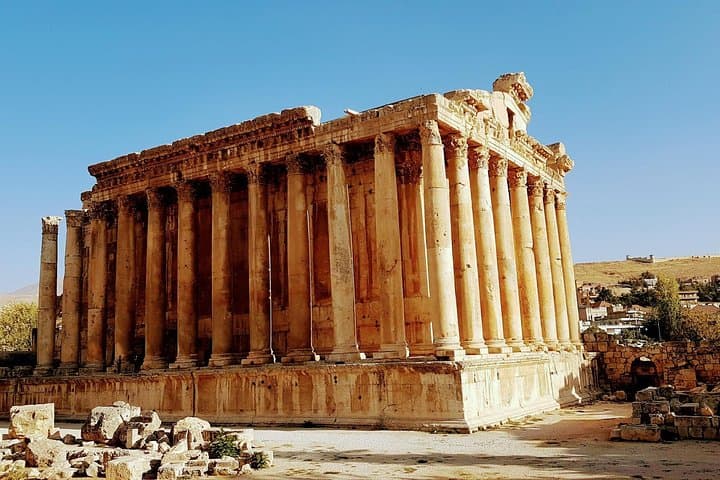
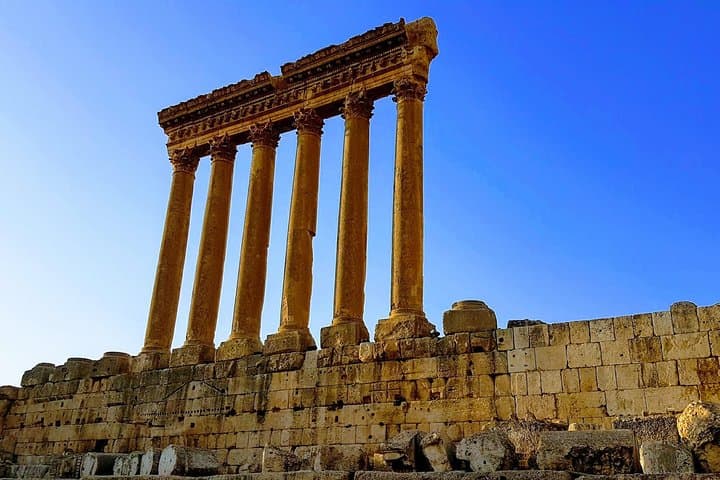
The valley is geologically young - a sediment-filled rift between the Lebanon and Anti-Lebanon ranges - feeding fertile soils and the wheat fields that flank the ancient approach. Baalbek’s Roman complex sits at about 1,150 meters, built atop earlier Phoenician and Hellenistic layers; the temple of Jupiter and the nearby Stone of the Pregnant Woman hint at techniques and ambitions that outsize human scale.
Local culture in the Bekaa remains rooted in agriculture and steady hospitality: small towns, seasonal markets, and roadside wineries around Ksara. Mosque sites and Christian ruins nearby reflect a region where religions and empires have intersected for millennia.
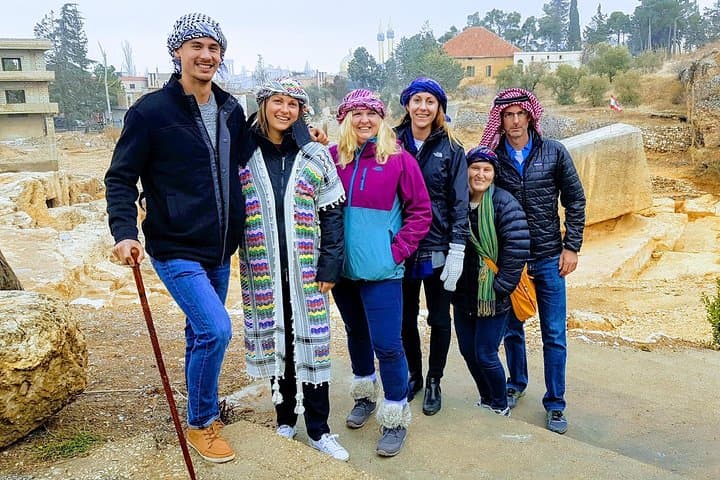
On a half-day private tour you’ll typically visit the main temple complex with a driver or guide, pause at the colossal quarry stones, and pass historical shrines; expect short walks on packed dirt and flagstone, some uneven surfaces, and sweeping open views rather than shaded forest.
Practical tips: wear stable shoes for uneven ground, bring sun protection and at least 1 liter of water, and plan for altitude and temperature swings - mornings can be cool. Morning departures avoid heat and crowds; carry small local currency for stalls or donations. The trip is low-impact if you stay on paths and respect signs, leaving these monumental ruins for the next traveler and mindful.
easy.
5 hours.
Light walking ability; able to handle short uneven stretches and steps at archaeological ruins.
Yes — private transportation includes hotel pick up and drop off in Beirut as noted in the tour inclusions.
Admission is typically paid on site; this tour description lists admission as not included so carry cash or confirm with the operator.
The main complex has uneven surfaces and steps; access is limited and some areas are not suitable for wheelchairs.
An English-speaking driver is listed among inclusions; confirm additional guide language needs when booking.
Baalbek rose to prominence under Roman rule as Heliopolis, a major sanctuary where a Romanized triad of deities was worshipped; its colossal temples reflect two centuries of imperial construction.
The ruins are sensitive to visitor impact; stick to marked paths, avoid touching carved surfaces, and support local conservation by using licensed guides and respecting signage.
Beirut Airport Transfer operates guided outdoor trips and adventures with an emphasis on safety, stewardship, and memorable experiences.
Morning light breaks over the Bekaa plain as an air-conditioned van slides away from Beirut, the city’s clamor shrinking to a rearview murmuring. In two hours the road climbs toward Baalbek, where columns rise like fractured giants and the ground remembers Roman footsteps.
Morning light breaks over the Bekaa plain as an air-conditioned van slides away from Beirut, the city’s clamor shrinking to a rearview murmuring. In two hours the road climbs toward Baalbek, where columns rise like fractured giants and the ground remembers Roman footsteps.
The valley is geologically young - a sediment-filled rift between the Lebanon and Anti-Lebanon ranges - feeding fertile soils and the wheat fields that flank the ancient approach. Baalbek’s Roman complex sits at about 1,150 meters, built atop earlier Phoenician and Hellenistic layers; the temple of Jupiter and the nearby Stone of the Pregnant Woman hint at techniques and ambitions that outsize human scale.
Local culture in the Bekaa remains rooted in agriculture and steady hospitality: small towns, seasonal markets, and roadside wineries around Ksara. Mosque sites and Christian ruins nearby reflect a region where religions and empires have intersected for millennia.
On a half-day private tour you’ll typically visit the main temple complex with a driver or guide, pause at the colossal quarry stones, and pass historical shrines; expect short walks on packed dirt and flagstone, some uneven surfaces, and sweeping open views rather than shaded forest.
Practical tips: wear stable shoes for uneven ground, bring sun protection and at least 1 liter of water, and plan for altitude and temperature swings - mornings can be cool. Morning departures avoid heat and crowds; carry small local currency for stalls or donations. The trip is low-impact if you stay on paths and respect signs, leaving these monumental ruins for the next traveler and mindful.