THE ADVENTURE COLLECTIVE® · Independent discovery and booking for outdoor travel

A three-day escape from Hanoi into Ba Be National Park mixes lake kayaking, cave exploration, cycling between Tay villages, and homestay nights. This guide outlines what to expect—logistics, terrain, and practical tips—to help you plan a rewarding, low-impact trip.
A three-day escape from Hanoi into Ba Be National Park mixes lake kayaking, cave exploration, cycling between Tay villages, and homestay nights. This guide outlines what to expect—logistics, terrain, and practical tips—to help you plan a rewarding, low-impact trip.
Morning light thins over the Red River delta as a small bus peels away from Hanoi, the city shrinking into rice paddies and then into the rising ribs of limestone.
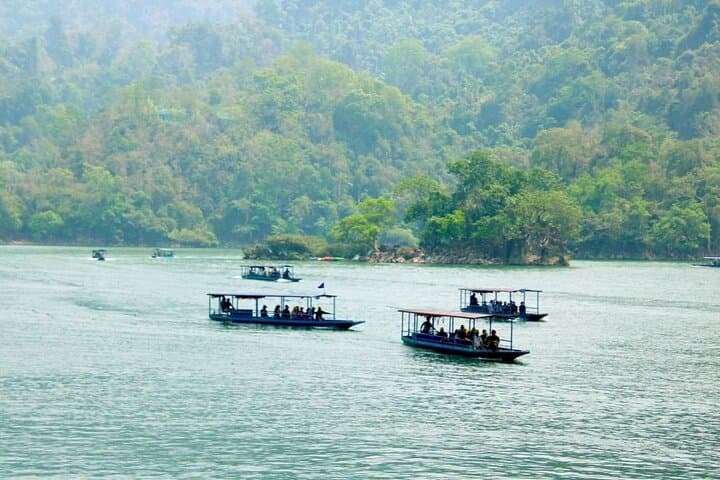
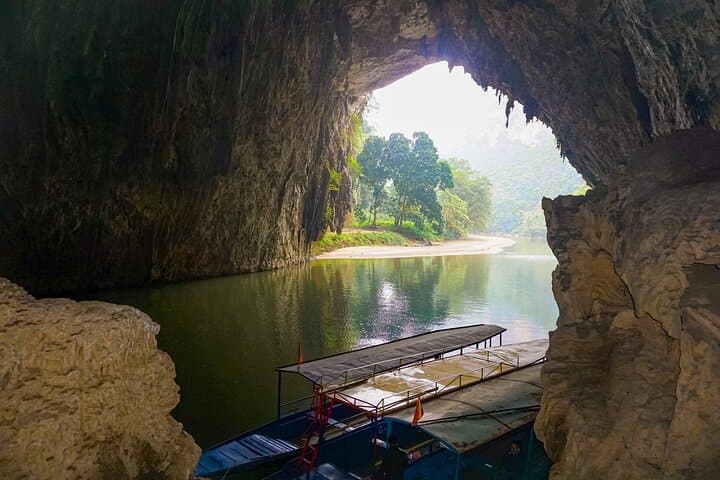
By the time the road narrows under karst walls, Ba Be Lake opens like a quiet harbor — water daring you into its folded coves while the Nang River pushes the current toward Puong Cave.
Verified experiences and guided adventures in the surrounding area.
Operated by Vietnam Culture Tour · Pac Ngoi, Bac Kan
Morning light thins over the Red River delta as a small bus peels away from Hanoi, the city shrinking into rice paddies and then into the rising ribs of limestone.
By the time the road narrows under karst walls, Ba Be Lake opens like a quiet harbor — water daring you into its folded coves while the Nang River pushes the current toward Puong Cave.
This three-day loop centers on Ba Be National Park, a protected freshwater basin carved by limestone uplift and millennia of river action. The Tay people have lived on these shores for generations; their stilt houses and local homestays anchor the route in living culture. Geology here is obvious: caves, sheer cliffs, and islands of weathered rock create a landscape that demands both slow paddling and careful boots.
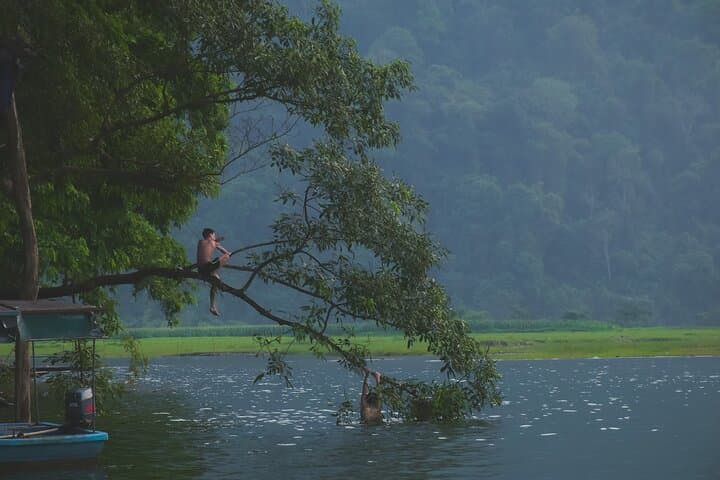
Expect a mix of activities: roughly five hours driving from Hanoi, a guided kayak across Ba Be and along the Nang River visiting Puong Cave and Widow Island, a day of cycling on rural trails with short treks to caves and waterfalls, and two nights at a Tay homestay. Days balance active sections — paddling stretches of 1–3 hours, cycling segments of 10–25 km on mixed surfaces — with pockets of relaxation for swimming or village exchanges.
Practical notes: pack a day dry bag, sturdy shoes for wet rock and steep trails, insect repellent, and small cash for village purchases. Travel in cooler, drier months for clearer water and easier paddling; rainy season brings jungle-green scenery but sudden downpours. Respect homestay customs, leave no trace, and be ready for simple comforts and rich, hands-on encounters with local life.
moderate.
3 days.
Comfortable walking 3–5 hours a day and able to paddle intermittently; basic cycling fitness for 10–25 km on rural roads.
Pickup is typically from the Opera House or Hang Da market; confirm the exact meeting point and pickup time when you book.
Yes—two breakfasts, three lunches, two dinners, and homestay accommodation are included as described in the itinerary.
Yes—guides provide instruction and life jackets; expect calm lake paddling and short river stretches, but inform the operator of any mobility issues.
Local guides speak English at a conversational level; homestay hosts may have limited English but are used to hosting travelers.
Ba Be National Park protects northern Vietnam’s largest natural freshwater lake and the surrounding limestone landscape; the Tay ethnic group has farmed and fished here for centuries.
Stick to marked paths, avoid plastic waste, and support homestays and local guides to ensure tourism revenue benefits the community and conservation efforts.
Vietnam Culture Tour operates guided outdoor trips and adventures with an emphasis on safety, stewardship, and memorable experiences.

Morning light thins over the Red River delta as a small bus peels away from Hanoi, the city shrinking into rice paddies and then into the rising ribs of limestone.
By the time the road narrows under karst walls, Ba Be Lake opens like a quiet harbor — water daring you into its folded coves while the Nang River pushes the current toward Puong Cave.
This three-day loop centers on Ba Be National Park, a protected freshwater basin carved by limestone uplift and millennia of river action. The Tay people have lived on these shores for generations; their stilt houses and local homestays anchor the route in living culture. Geology here is obvious: caves, sheer cliffs, and islands of weathered rock create a landscape that demands both slow paddling and careful boots.
Expect a mix of activities: roughly five hours driving from Hanoi, a guided kayak across Ba Be and along the Nang River visiting Puong Cave and Widow Island, a day of cycling on rural trails with short treks to caves and waterfalls, and two nights at a Tay homestay. Days balance active sections — paddling stretches of 1–3 hours, cycling segments of 10–25 km on mixed surfaces — with pockets of relaxation for swimming or village exchanges.
Practical notes: pack a day dry bag, sturdy shoes for wet rock and steep trails, insect repellent, and small cash for village purchases. Travel in cooler, drier months for clearer water and easier paddling; rainy season brings jungle-green scenery but sudden downpours. Respect homestay customs, leave no trace, and be ready for simple comforts and rich, hands-on encounters with local life.