THE ADVENTURE COLLECTIVE® · Independent discovery and booking for outdoor travel

Discover Kyoto beyond the tourist hotspots on a private, full-day guided walk. Visit Nijō Castle, a famed Zen dry garden, Shoren-in’s intimate halls, and a peaceful Shirakawa riverside while learning local customs and history.
Discover Kyoto beyond the tourist hotspots on a private, full-day guided walk. Visit Nijō Castle, a famed Zen dry garden, Shoren-in’s intimate halls, and a peaceful Shirakawa riverside while learning local customs and history.
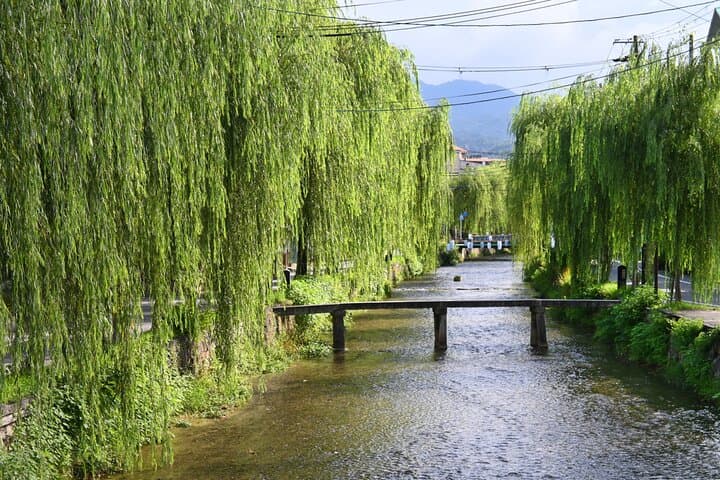
You step off a quiet side street and the clack of the city recedes—willow-lined canals whisper, moss patches hold the last drop of rain, and a slim lane opens toward a temple gate. This private, full-day guided walk threads through quieter Kyoto: a Tokugawa-era palace, a raked-zen courtyard, the hushed chambers of Shoren-in, and a riverside stroll along Shirakawa where willow branches dare you to slow down.
Verified experiences and guided adventures in the surrounding area.
Operated by Mike Masaki Hira · Kyoto, Kyoto
You step off a quiet side street and the clack of the city recedes—willow-lined canals whisper, moss patches hold the last drop of rain, and a slim lane opens toward a temple gate. This private, full-day guided walk threads through quieter Kyoto: a Tokugawa-era palace, a raked-zen courtyard, the hushed chambers of Shoren-in, and a riverside stroll along Shirakawa where willow branches dare you to slow down.
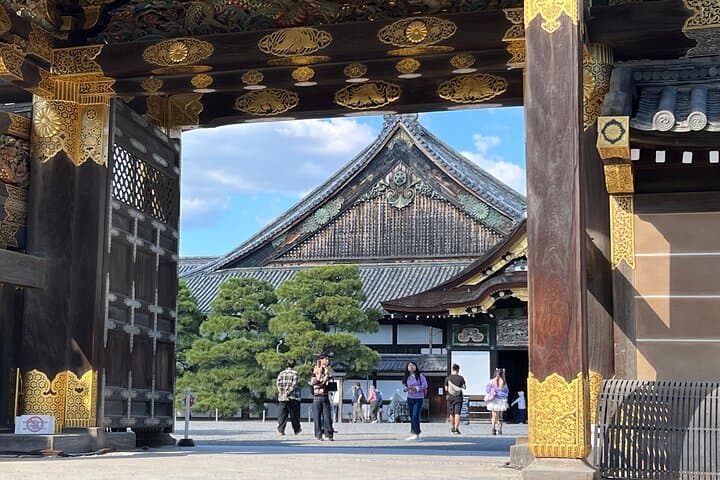
Kyoto was Japan’s imperial capital for more than a millennium; its lanes and gardens preserve layered histories of court culture, samurai patronage, and Zen aesthetics. Nijō Castle (built by Tokugawa Ieyasu about 400 years ago) shows political theater in painted screens and defensive design, while nearby Zen temples reveal minimalism born from volcanic ash soils and human cultivation over centuries.
The guide emphasizes cultural context—tea ceremony traditions, temple etiquette, and why rock gardens were spiritual tools for samurai and monks. You’ll taste Kyoto’s everyday food at a well-regarded local lunch spot and learn small-town rhythms less visible at major shrines.
Practicalities: this private tour runs about 7.5 hours and involves several moderate walks on paved lanes, stone steps, and garden paths. Wear comfortable, grippy shoes and layered clothing for sudden weather shifts; keep small-yen cash for shrine offerings and some small eateries. Public transport is efficient—meet and end points are typically near a major station. Respect photo rules inside temples, remove hats and speak softly indoors, and allow extra time if mobility issues slow the group. With a local expert, Kyoto’s quieter corners become readable—intimate, deliberate, and distinctly human.
moderate.
7–8 hours.
Moderate fitness—able to walk several miles over uneven surfaces and climb steps across the day
The tour lasts about 7.5 hours and involves several moderate walking segments on paved streets, garden paths, and steps—expect multiple short walks between sites.
Admission fees are generally not included in the guide fee—your booking notes which entries are covered; be prepared to purchase tickets at some temples if required.
Some areas are wheelchair friendly, but many temples have steps or uneven ground; contact the operator in advance to confirm accessible routing.
The tour is led by a history and culture expert—confirm language fluency at booking; private tours often accommodate English-speaking guests.
Kyoto served as Japan’s capital for over a thousand years; sites like Nijō Castle reflect Edo-period power and samurai patronage of Zen aesthetics.
Many temples rely on donations and careful foot traffic—stay on paths, avoid flash photography where prohibited, and minimize single-use plastics to protect fragile garden soils.
Mike Masaki Hira operates guided outdoor trips and adventures with an emphasis on safety, stewardship, and memorable experiences.
You step off a quiet side street and the clack of the city recedes—willow-lined canals whisper, moss patches hold the last drop of rain, and a slim lane opens toward a temple gate. This private, full-day guided walk threads through quieter Kyoto: a Tokugawa-era palace, a raked-zen courtyard, the hushed chambers of Shoren-in, and a riverside stroll along Shirakawa where willow branches dare you to slow down.
You step off a quiet side street and the clack of the city recedes—willow-lined canals whisper, moss patches hold the last drop of rain, and a slim lane opens toward a temple gate. This private, full-day guided walk threads through quieter Kyoto: a Tokugawa-era palace, a raked-zen courtyard, the hushed chambers of Shoren-in, and a riverside stroll along Shirakawa where willow branches dare you to slow down.
Kyoto was Japan’s imperial capital for more than a millennium; its lanes and gardens preserve layered histories of court culture, samurai patronage, and Zen aesthetics. Nijō Castle (built by Tokugawa Ieyasu about 400 years ago) shows political theater in painted screens and defensive design, while nearby Zen temples reveal minimalism born from volcanic ash soils and human cultivation over centuries.
The guide emphasizes cultural context—tea ceremony traditions, temple etiquette, and why rock gardens were spiritual tools for samurai and monks. You’ll taste Kyoto’s everyday food at a well-regarded local lunch spot and learn small-town rhythms less visible at major shrines.
Practicalities: this private tour runs about 7.5 hours and involves several moderate walks on paved lanes, stone steps, and garden paths. Wear comfortable, grippy shoes and layered clothing for sudden weather shifts; keep small-yen cash for shrine offerings and some small eateries. Public transport is efficient—meet and end points are typically near a major station. Respect photo rules inside temples, remove hats and speak softly indoors, and allow extra time if mobility issues slow the group. With a local expert, Kyoto’s quieter corners become readable—intimate, deliberate, and distinctly human.