THE ADVENTURE COLLECTIVE® · Independent discovery and booking for outdoor travel

Walk among millennia of Greek art with a timed ticket and multilingual audio guide. This visit lets you move at your own pace through major collections — from Cycladic figures to Mycenaean gold — with practical tips to make the most of 1–3 hours.
Walk among millennia of Greek art with a timed ticket and multilingual audio guide. This visit lets you move at your own pace through major collections — from Cycladic figures to Mycenaean gold — with practical tips to make the most of 1–3 hours.
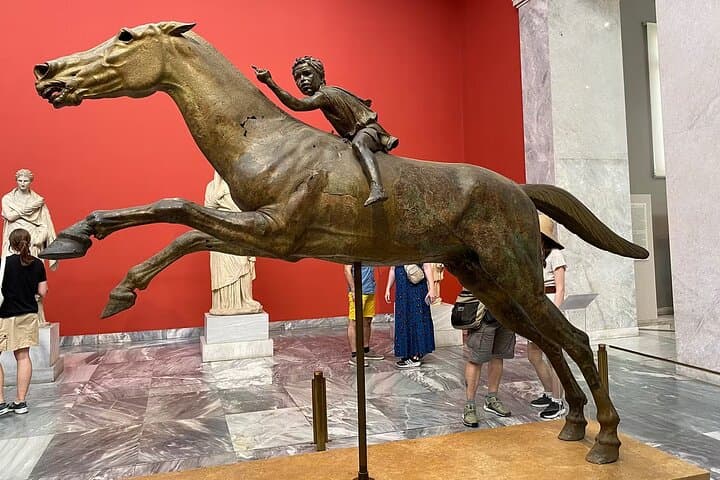
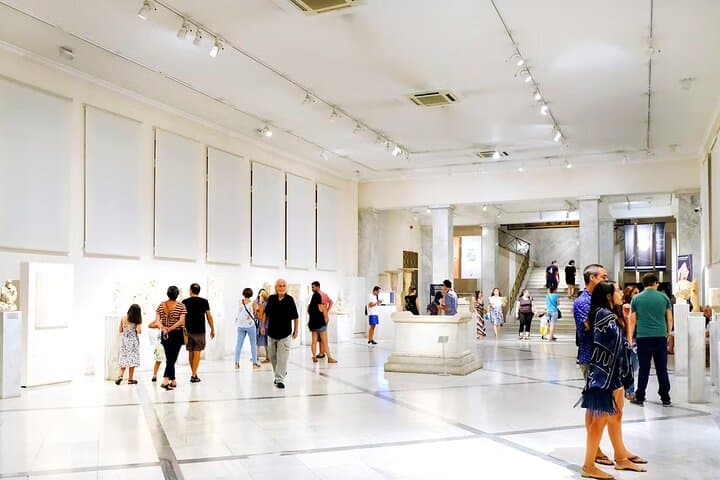
You step through a cool marble threshold and the city noise slides away — stone faces, bronze eyes, and polished pottery greet you as if the past were a present companion.
Verified experiences and guided adventures in the surrounding area.
Operated by Trip Knox Ltd · Athens, Attica
You step through a cool marble threshold and the city noise slides away — stone faces, bronze eyes, and polished pottery greet you as if the past were a present companion.
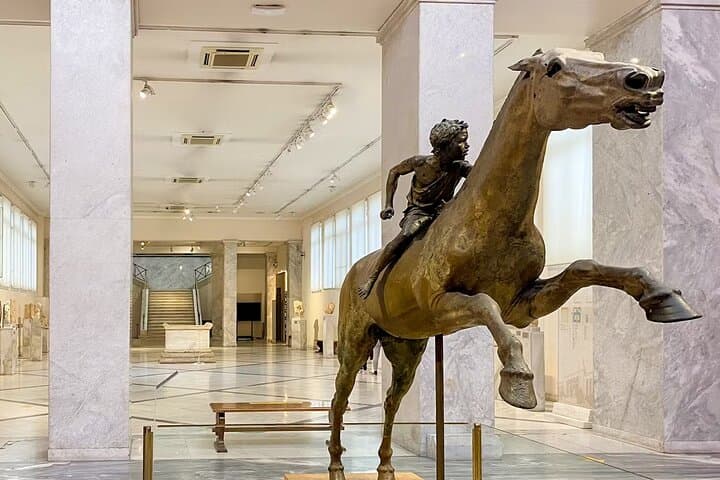
The National Archaeological Museum in Athens houses objects that map Greece’s long human story: Cycladic figurines with clean, abstract lines, Mycenaean gold masks, classical statues that still hold the posture of a public square. The museum’s collection spans the Neolithic through late antiquity; the institution was founded in the 19th century and moved into its current 19th-century building as the state consolidated its archaeological holdings.
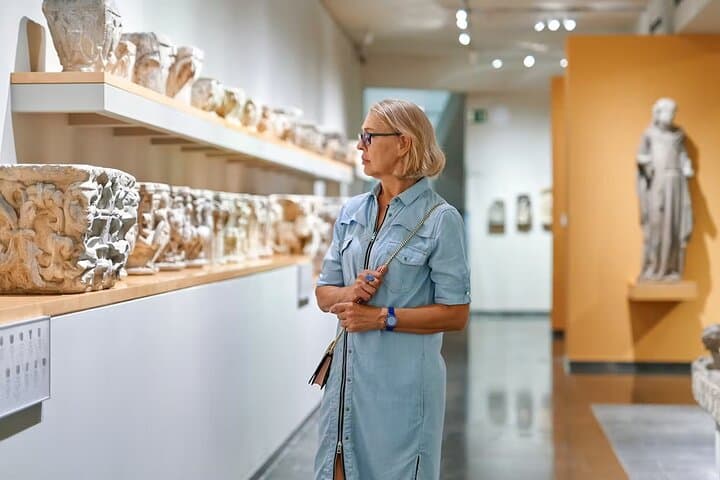
Geology and craft intersect here — marble quarried from the Greek mainland, bronze cast with ancient techniques, and painted pottery that records everyday life. Culturally, the museum is a classroom: the exhibits show shifts in religion, trade, and craftsmanship across centuries and islands.
For practical use, the audio guide (available in multiple languages) directs attention to highlights and provides context so you can move through at your own pace. Timed-entry tickets reduce queueing but arrive at least 10–15 minutes early to pass security and pick up the audio device if needed.
Wear comfortable shoes: galleries are broad and the floors are stone. Plan 1–3 hours depending on your interest level — three hours gives time for close reading of key halls. Photography without flash is usually allowed; do not touch artifacts. Check opening hours and temporary exhibition closures before you go, and consider visiting on weekday mornings to avoid crowds.
easy.
1–3 hours.
Minimal fitness required — expect moderate standing and walking on hard floors for up to a few hours
Yes — tickets are timed to manage capacity. Choose a slot and arrive 10–15 minutes early to pass security and collect any rented audio device.
The provided audio guide typically includes English, Greek, French, German, Italian and Spanish; check the ticket description for current language options.
The museum notes that its facilities accommodate a range of visitors; there are elevators and accessible routes, but if you have specific needs contact the museum in advance for details.
Small bags are permitted but subject to inspection; large suitcases may not be allowed. Leave oversized items at your accommodation or check available cloakroom services.
Founded in the 19th century as Greece centralized archaeological finds, the museum’s collections span from the Neolithic through the late Roman period and reflect successive cultural shifts.
The museum enforces no-touch and no-flash policies to protect fragile surfaces; visitors should follow signage and avoid bringing food into galleries to minimize impact.
Trip Knox Ltd operates guided outdoor trips and adventures with an emphasis on safety, stewardship, and memorable experiences.
You step through a cool marble threshold and the city noise slides away — stone faces, bronze eyes, and polished pottery greet you as if the past were a present companion.
You step through a cool marble threshold and the city noise slides away — stone faces, bronze eyes, and polished pottery greet you as if the past were a present companion.
The National Archaeological Museum in Athens houses objects that map Greece’s long human story: Cycladic figurines with clean, abstract lines, Mycenaean gold masks, classical statues that still hold the posture of a public square. The museum’s collection spans the Neolithic through late antiquity; the institution was founded in the 19th century and moved into its current 19th-century building as the state consolidated its archaeological holdings.
Geology and craft intersect here — marble quarried from the Greek mainland, bronze cast with ancient techniques, and painted pottery that records everyday life. Culturally, the museum is a classroom: the exhibits show shifts in religion, trade, and craftsmanship across centuries and islands.
For practical use, the audio guide (available in multiple languages) directs attention to highlights and provides context so you can move through at your own pace. Timed-entry tickets reduce queueing but arrive at least 10–15 minutes early to pass security and pick up the audio device if needed.
Wear comfortable shoes: galleries are broad and the floors are stone. Plan 1–3 hours depending on your interest level — three hours gives time for close reading of key halls. Photography without flash is usually allowed; do not touch artifacts. Check opening hours and temporary exhibition closures before you go, and consider visiting on weekday mornings to avoid crowds.