THE ADVENTURE COLLECTIVE® · Independent discovery and booking for outdoor travel

Walk where Athenian citizens debated, traded, and taught—at the Ancient Agora. This self-guided entry (with an optional multilingual audio guide) gives you 1–3 hours among temples, stoas, and readable ruins that trace the origins of public life in Classical Athens.
Walk where Athenian citizens debated, traded, and taught—at the Ancient Agora. This self-guided entry (with an optional multilingual audio guide) gives you 1–3 hours among temples, stoas, and readable ruins that trace the origins of public life in Classical Athens.
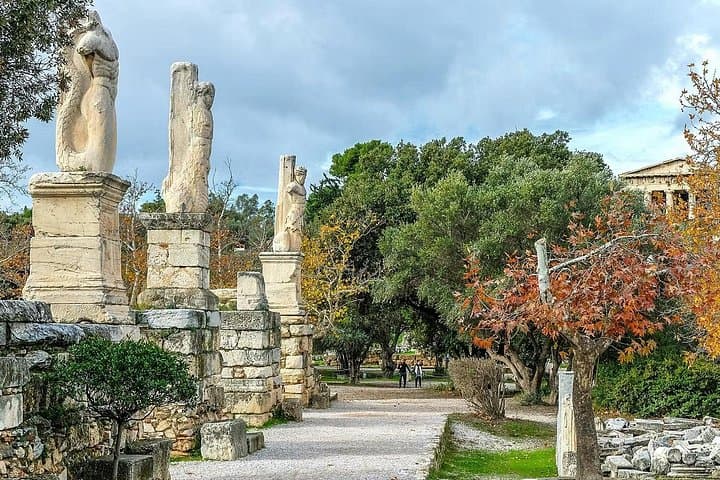
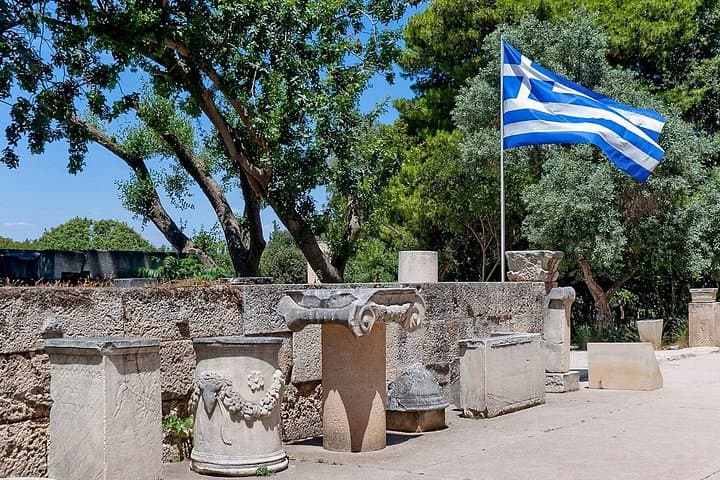
You step through a low modern gate and find stones that still remember the footfalls of orators and traders; the air carries the dry warmth of Athens and a breeze that teases the marble steps. The Ancient Agora sits at the city’s northwest slope, a compact civic heart where temples, stoas, and markets form a readable map of public life in Classical Greece.
Verified experiences and guided adventures in the surrounding area.
Operated by Trip Knox Ltd · Athens, Attica
You step through a low modern gate and find stones that still remember the footfalls of orators and traders; the air carries the dry warmth of Athens and a breeze that teases the marble steps. The Ancient Agora sits at the city’s northwest slope, a compact civic heart where temples, stoas, and markets form a readable map of public life in Classical Greece.
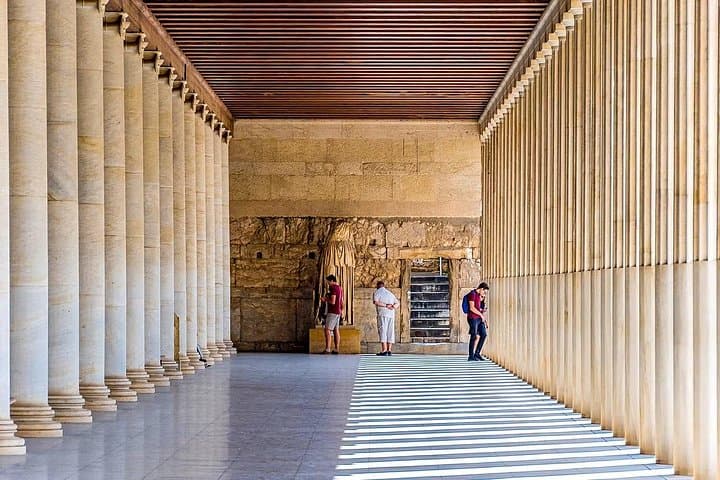
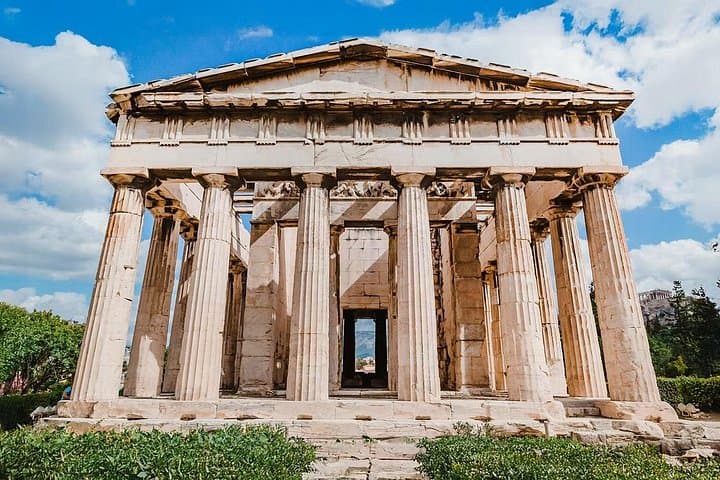
Built up between the 6th and 4th centuries BCE, the Agora was the stage for Athenian democracy, philosophy, and daily commerce. Geologically, the site rests on Pleistocene bedrock smoothed by millennia of urban layers; its surviving monuments—the Stoa of Attalos, the Temple of Hephaestus—are practical lessons in Doric and Ionic masonry. Culturally, you’ll sense the Agora’s role as both marketplace and meeting place: signboards and modern placards help bridge ancient function with contemporary interpretation.
For a practical visit, allow 1–3 hours for a self-paced walk. Timed entry controls crowding; wear sturdy shoes—ancient paving is uneven—and bring water: Athens sun can be sharp even in shoulder seasons. The optional audio guide (multiple languages) gives focused narratives for major monuments if you prefer context without a guide. Plan to combine this stop with the nearby Roman Agora or a view from the Areopagus for wider context.
Respect the signage: do not climb on ruins, and follow one-way paths where posted to protect exposed masonry. A brisk, curious stroll here rewards you with tangible links to how the ancient city organized public life—clear, walkable, and quietly powerful.
easy.
1–3 hours.
Suitable for most fitness levels; requires steady walking on uneven ground and occasional short inclines.
Yes—this product includes a timed entry to manage visitor flow; arrive within your booked window.
The audio guide is optional; choose it at booking to receive multilingual commentary during your visit.
Much of the Agora has uneven surfaces and steps; some areas are accessible but assistance may be required—check site maps and contact local staff for specifics.
Most visitors spend 1–3 hours exploring the main monuments and small museum spaces; allow more time if you plan to read every panel or pair the visit with nearby sites.
The Agora functioned as Athens’ commercial and civic core from the Archaic through Roman periods, and key monuments reflect evolving political and religious roles.
Conservation here focuses on stabilizing exposed stone and managing foot traffic; visitors should follow signage, avoid touching fragile surfaces, and stay on designated paths.
Trip Knox Ltd operates guided outdoor trips and adventures with an emphasis on safety, stewardship, and memorable experiences.
You step through a low modern gate and find stones that still remember the footfalls of orators and traders; the air carries the dry warmth of Athens and a breeze that teases the marble steps. The Ancient Agora sits at the city’s northwest slope, a compact civic heart where temples, stoas, and markets form a readable map of public life in Classical Greece.
You step through a low modern gate and find stones that still remember the footfalls of orators and traders; the air carries the dry warmth of Athens and a breeze that teases the marble steps. The Ancient Agora sits at the city’s northwest slope, a compact civic heart where temples, stoas, and markets form a readable map of public life in Classical Greece.
Built up between the 6th and 4th centuries BCE, the Agora was the stage for Athenian democracy, philosophy, and daily commerce. Geologically, the site rests on Pleistocene bedrock smoothed by millennia of urban layers; its surviving monuments—the Stoa of Attalos, the Temple of Hephaestus—are practical lessons in Doric and Ionic masonry. Culturally, you’ll sense the Agora’s role as both marketplace and meeting place: signboards and modern placards help bridge ancient function with contemporary interpretation.
For a practical visit, allow 1–3 hours for a self-paced walk. Timed entry controls crowding; wear sturdy shoes—ancient paving is uneven—and bring water: Athens sun can be sharp even in shoulder seasons. The optional audio guide (multiple languages) gives focused narratives for major monuments if you prefer context without a guide. Plan to combine this stop with the nearby Roman Agora or a view from the Areopagus for wider context.
Respect the signage: do not climb on ruins, and follow one-way paths where posted to protect exposed masonry. A brisk, curious stroll here rewards you with tangible links to how the ancient city organized public life—clear, walkable, and quietly powerful.