THE ADVENTURE COLLECTIVE® · Independent discovery and booking for outdoor travel

Explore the Nubian Museum at your own pace with included tickets and private transfers in Aswan. This self-guided visit covers Nubia’s archaeology, living culture and rescued monuments over a relaxed 2–3 hour window.
Explore the Nubian Museum at your own pace with included tickets and private transfers in Aswan. This self-guided visit covers Nubia’s archaeology, living culture and rescued monuments over a relaxed 2–3 hour window.
You step out of the car and the Nile air meets you — warm, dust-flecked, and steady like an old oar. The Nubian Museum in Aswan sits on a low rise with gardens and reconstructed Nubian houses; statues and shaded courtyards frame a clear view toward the river, inviting a measured, self-paced exploration.
Verified experiences and guided adventures in the surrounding area.
Operated by Eyes of Egypt · Aswan, Aswan Governorate
You step out of the car and the Nile air meets you — warm, dust-flecked, and steady like an old oar. The Nubian Museum in Aswan sits on a low rise with gardens and reconstructed Nubian houses; statues and shaded courtyards frame a clear view toward the river, inviting a measured, self-paced exploration.
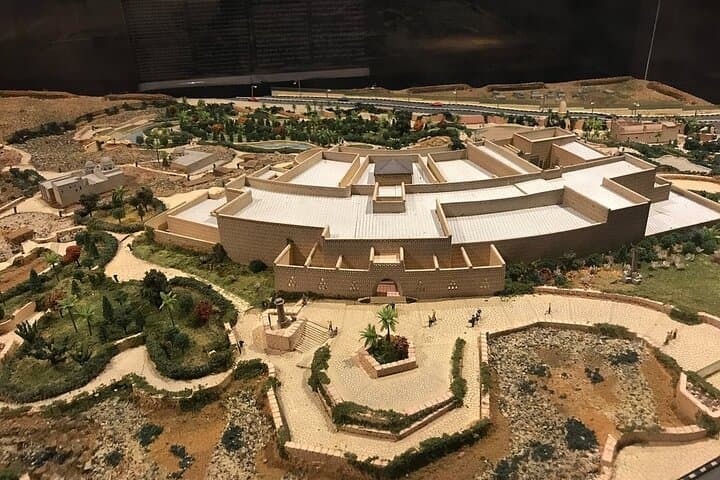
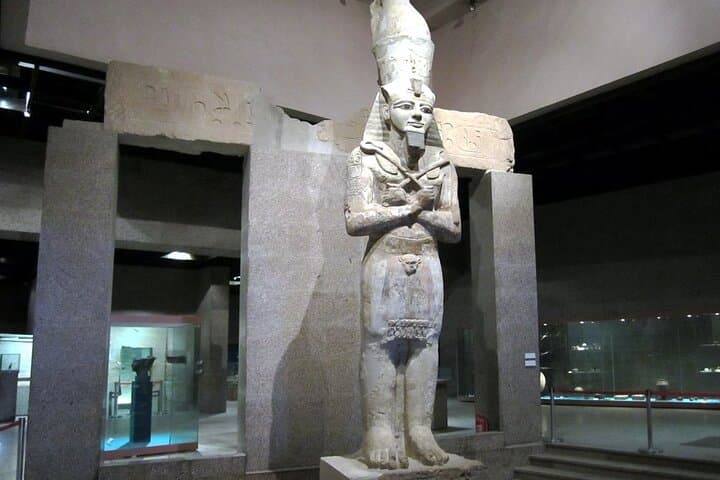
The museum traces a long history: prehistoric tool-making, Pharaonic and Kushite artistry, Greco‑Roman fusion and Islamic everyday objects, all collected to tell the story of Nubia’s people and landscape. Geology of the region—granite outcrops and the slow, life-giving sweep of the Nile—shaped settlement patterns and craft traditions showcased in the galleries. Outside, scale models and rescued temple fragments recall monuments relocated after the Aswan High Dam, while reconstructed houses preserve vernacular design and gardening practices.
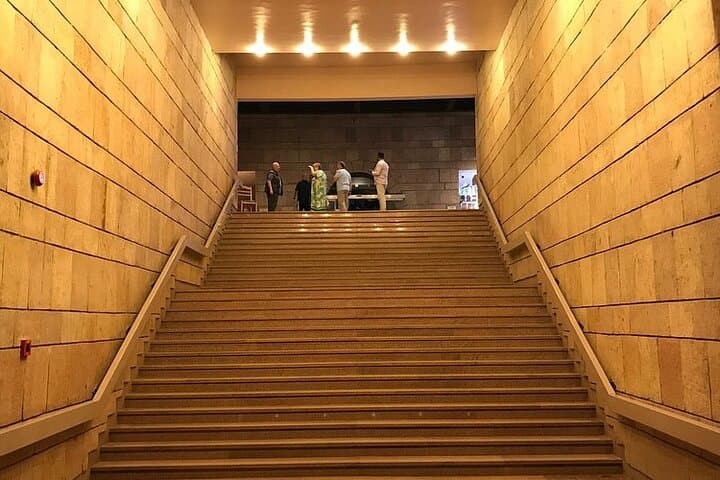
Cultural insight is immediate: jewelry, textiles and boat models reveal daily life on the Nile; multimedia displays explain archaeological rescue projects and community memory. The museum’s layout supports a 2–3 hour self-guided visit, with clear signage and accessible paths for most visitors.
Practical guidance: plan morning or late-afternoon visits to avoid mid-day heat, bring sun protection and a water bottle, and allow 120–180 minutes to move slowly through indoor exhibits and outdoor gardens. Photography is generally allowed for personal use; wear respectful, lightweight clothing in line with local customs. The included private transfer from Aswan hotels is short (10–15 minutes) and makes the experience easy to add to a broader Aswan itinerary.
easy.
2–3 hours.
Suitable for most fitness levels; walking on flat indoor surfaces and short outdoor paths.
Allow 120–180 minutes to see major galleries and outdoor reconstructions at a comfortable pace.
Yes—museum admission and private round-trip transfers from Aswan hotels are included in this booking.
The museum provides accessible routes and transportation options; staff can assist on arrival.
Photography for personal use is generally permitted, but flash and tripods may be restricted in some galleries.
The Nubian Museum, opened in the late 1990s, was built to preserve artifacts and stories from Nubia, especially after monuments were relocated during the Aswan High Dam projects.
Exhibits emphasize archaeological rescue and community heritage; visitors are encouraged to follow site rules and minimize single-use plastics to support conservation.
Eyes of Egypt operates guided outdoor trips and adventures with an emphasis on safety, stewardship, and memorable experiences.
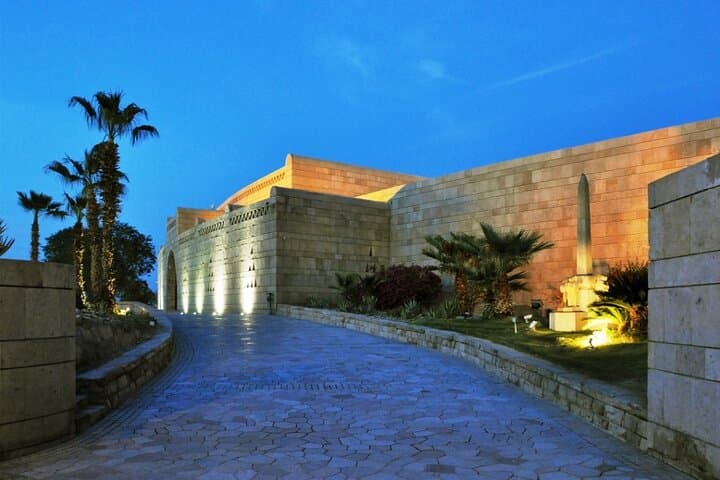
You step out of the car and the Nile air meets you — warm, dust-flecked, and steady like an old oar. The Nubian Museum in Aswan sits on a low rise with gardens and reconstructed Nubian houses; statues and shaded courtyards frame a clear view toward the river, inviting a measured, self-paced exploration.
You step out of the car and the Nile air meets you — warm, dust-flecked, and steady like an old oar. The Nubian Museum in Aswan sits on a low rise with gardens and reconstructed Nubian houses; statues and shaded courtyards frame a clear view toward the river, inviting a measured, self-paced exploration.
The museum traces a long history: prehistoric tool-making, Pharaonic and Kushite artistry, Greco‑Roman fusion and Islamic everyday objects, all collected to tell the story of Nubia’s people and landscape. Geology of the region—granite outcrops and the slow, life-giving sweep of the Nile—shaped settlement patterns and craft traditions showcased in the galleries. Outside, scale models and rescued temple fragments recall monuments relocated after the Aswan High Dam, while reconstructed houses preserve vernacular design and gardening practices.
Cultural insight is immediate: jewelry, textiles and boat models reveal daily life on the Nile; multimedia displays explain archaeological rescue projects and community memory. The museum’s layout supports a 2–3 hour self-guided visit, with clear signage and accessible paths for most visitors.
Practical guidance: plan morning or late-afternoon visits to avoid mid-day heat, bring sun protection and a water bottle, and allow 120–180 minutes to move slowly through indoor exhibits and outdoor gardens. Photography is generally allowed for personal use; wear respectful, lightweight clothing in line with local customs. The included private transfer from Aswan hotels is short (10–15 minutes) and makes the experience easy to add to a broader Aswan itinerary.