THE ADVENTURE COLLECTIVE® · Independent discovery and booking for outdoor travel

Walk the stone streets of As-Salt with a private guide to see Ottoman-era houses, a bustling farmers’ market, and centuries-old bakeries. Choose an optional local lunch or home visit to sample authentic Jordanian hospitality.
Walk the stone streets of As-Salt with a private guide to see Ottoman-era houses, a bustling farmers’ market, and centuries-old bakeries. Choose an optional local lunch or home visit to sample authentic Jordanian hospitality.
You step down from a small, air-conditioned vehicle onto a lane of flagstones; the town opens in terraces above a shallow wadi, white and ochre houses stacked like pages of history. The guide points out carved lintels and a narrow stair that funnels afternoon light into a courtyard where elders play mangaleh. The city smells of freshly baked shrak and roasted coffee.
Verified experiences and guided adventures in the surrounding area.
Operated by Zaid Tours and Travel · As-Salt, Balqa Governorate
You step down from a small, air-conditioned vehicle onto a lane of flagstones; the town opens in terraces above a shallow wadi, white and ochre houses stacked like pages of history. The guide points out carved lintels and a narrow stair that funnels afternoon light into a courtyard where elders play mangaleh. The city smells of freshly baked shrak and roasted coffee.
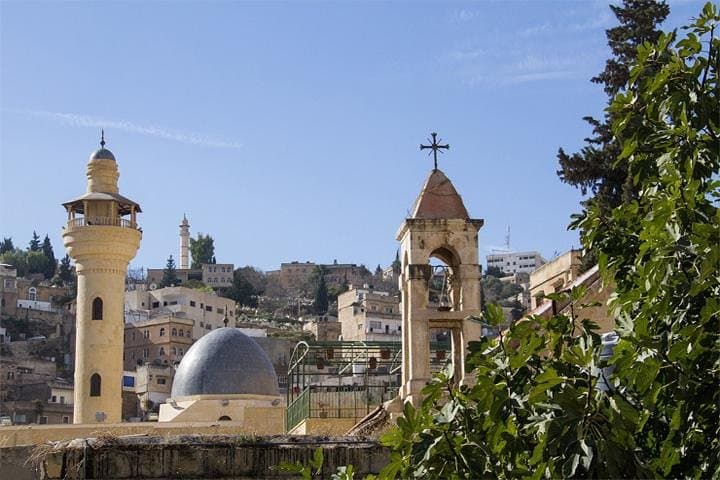
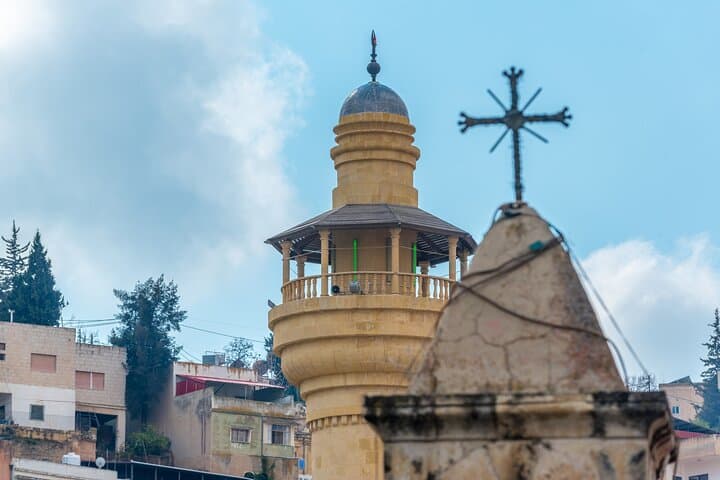
As-Salt was a regional hub under Roman and Byzantine rule and later flourished during the late Ottoman era; its handsome stone houses and communal plazas reflect those layers. Geologically, the town perches on limestone slopes that fracture into steep alleys and commanding viewpoints over the Jordan Valley. The local culture is quietly civic — mosques and churches sit close together, markets hum with practical trades, and small silversmith shops keep traditional patterns alive.
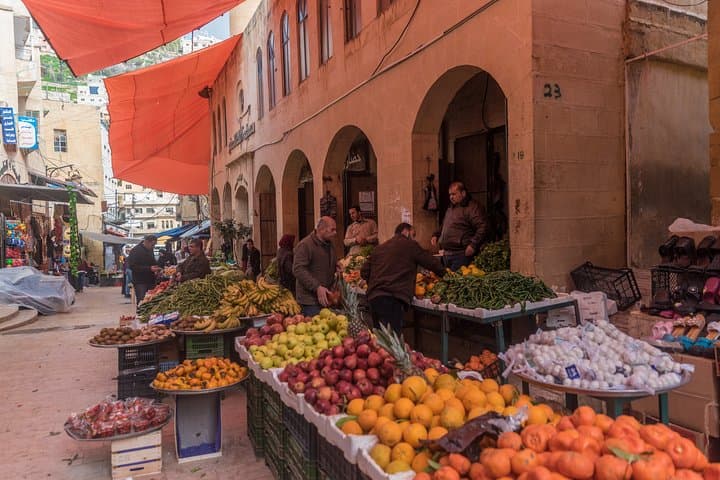
A guided walking loop covers the Historic Old Salt Museum (Abu Jaber House), Al-Ain Plaza, Hammam Street and the old bakeries, with time to browse farmers’ stalls and jewelers’ cases. Optional lunch choices range from a neighborhood restaurant to a hosted home-cooked meal for a more intimate taste of daily life.
Practical: wear sturdy walking shoes for uneven stone and steps, carry water in warmer months, and bring small notes for market purchases. The private-transfer format reduces logistics — plan to reserve at least half a day. Respect signage around heritage buildings, ask before photographing people in homes, and leave space in your schedule for the slow, human pace that makes As-Salt memorable.
moderate.
5–6 hours.
Moderate stamina for walking on uneven, hilly streets and several flights of stone steps.
The private tour lasts about 5–6 hours and includes hotel pick-up/drop-off, a local English-speaking guide, entrance fees where noted, and optional local lunch if selected.
The route includes many steps and uneven surfaces; travelers with mobility issues should contact the operator in advance to discuss accessibility and alternatives.
Meals are optional—choose a local restaurant or a home-cooked experience for an additional fee when booking.
Yes—there’s free time to visit the farmers’ market, jewelry shops, and traditional sweet and spice vendors; bring small bills for purchases.
As-Salt served as a regional center through Roman, Byzantine and Ottoman periods; late-19th to early-20th-century prosperity shaped much of the town’s stone architecture.
As a UNESCO-listed site, conservation focuses on supporting local businesses, preserving stone facades, and encouraging responsible tourism—avoid litter and follow posted guidance to protect fragile structures.
Zaid Tours and Travel operates guided outdoor trips and adventures with an emphasis on safety, stewardship, and memorable experiences.
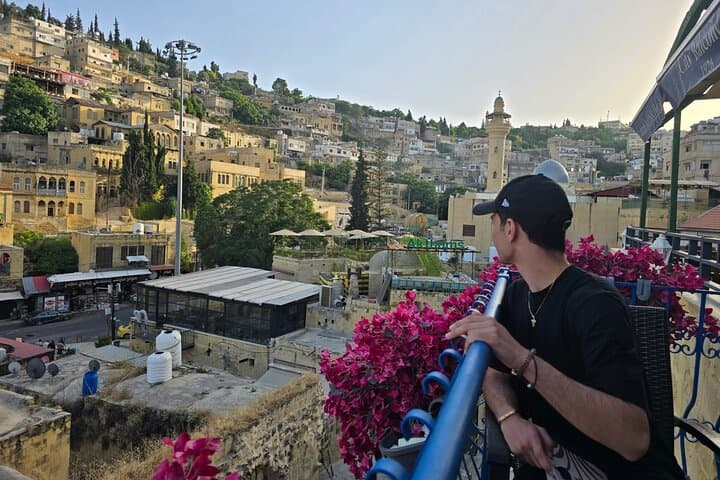
You step down from a small, air-conditioned vehicle onto a lane of flagstones; the town opens in terraces above a shallow wadi, white and ochre houses stacked like pages of history. The guide points out carved lintels and a narrow stair that funnels afternoon light into a courtyard where elders play mangaleh. The city smells of freshly baked shrak and roasted coffee.
You step down from a small, air-conditioned vehicle onto a lane of flagstones; the town opens in terraces above a shallow wadi, white and ochre houses stacked like pages of history. The guide points out carved lintels and a narrow stair that funnels afternoon light into a courtyard where elders play mangaleh. The city smells of freshly baked shrak and roasted coffee.
As-Salt was a regional hub under Roman and Byzantine rule and later flourished during the late Ottoman era; its handsome stone houses and communal plazas reflect those layers. Geologically, the town perches on limestone slopes that fracture into steep alleys and commanding viewpoints over the Jordan Valley. The local culture is quietly civic — mosques and churches sit close together, markets hum with practical trades, and small silversmith shops keep traditional patterns alive.
A guided walking loop covers the Historic Old Salt Museum (Abu Jaber House), Al-Ain Plaza, Hammam Street and the old bakeries, with time to browse farmers’ stalls and jewelers’ cases. Optional lunch choices range from a neighborhood restaurant to a hosted home-cooked meal for a more intimate taste of daily life.
Practical: wear sturdy walking shoes for uneven stone and steps, carry water in warmer months, and bring small notes for market purchases. The private-transfer format reduces logistics — plan to reserve at least half a day. Respect signage around heritage buildings, ask before photographing people in homes, and leave space in your schedule for the slow, human pace that makes As-Salt memorable.