THE ADVENTURE COLLECTIVE® · Independent discovery and booking for outdoor travel

Spend a day circling Ngurdoto Crater, walking forest trails on Mount Meru’s lower slopes and watching flamingos at the Momella Lakes. This compact park packs diverse habitats and high odds for close wildlife viewing—if you come early and prepared.
Spend a day circling Ngurdoto Crater, walking forest trails on Mount Meru’s lower slopes and watching flamingos at the Momella Lakes. This compact park packs diverse habitats and high odds for close wildlife viewing—if you come early and prepared.
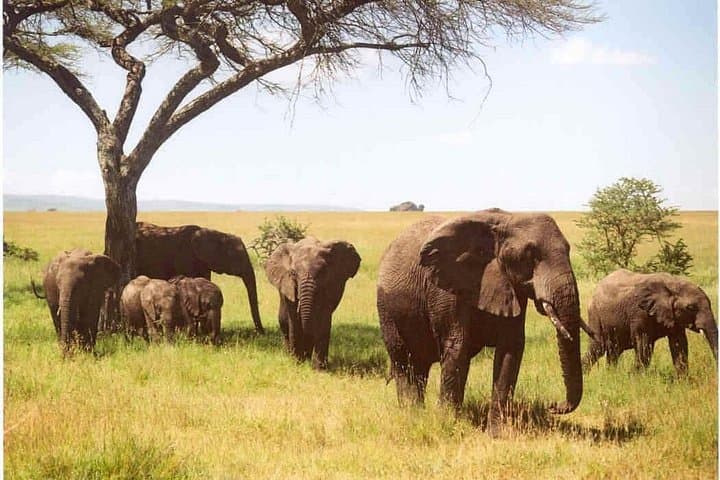
A dust-slicked Land Cruiser eases out of Arusha before dawn and the rim of Ngurdoto Crater slides into view like a hidden amphitheater. The air cools as the vehicle climbs toward montane forest; sunlight pries apart mist over Momella’s shallow lakes and the first flamingos dip like pale punctuation. Elephants move with deliberate intent across the plains, while colobus monkeys rattle through the canopy above—this is a park where habitats change in a heartbeat.
Verified experiences and guided adventures in the surrounding area.
Operated by TaraLight Safari Tours · Arusha, Arusha Region
A dust-slicked Land Cruiser eases out of Arusha before dawn and the rim of Ngurdoto Crater slides into view like a hidden amphitheater. The air cools as the vehicle climbs toward montane forest; sunlight pries apart mist over Momella’s shallow lakes and the first flamingos dip like pale punctuation. Elephants move with deliberate intent across the plains, while colobus monkeys rattle through the canopy above—this is a park where habitats change in a heartbeat.
Arusha National Park occupies a narrow band of scenery carved by Mount Meru’s volcanic past. Ngurdoto’s steep walls hold grassland and marsh, Meru’s slopes wear dense forest, and the Momella wetlands collect alkaline pools that attract waterbirds. The area is culturally linked to the Meru and Maasai peoples, whose grazing practices and local guiding traditions shape modern park life.
For a day tour expect a mix of game drive and short walks, six hours of wildlife viewing and plenty of photography stops. Guides often combine crater rim lookouts, forest trails for primate spotting, and lakeside views for flamingos and hippo sightings. Wildlife sightings aren’t guaranteed—animals move on their own timetable—but the park’s compactness makes productive viewing likely.
Practical notes: start early to beat heat and afternoon clouds, bring layered clothing for cool mornings and warmer afternoons, and carry reusable water and sun protection. Respect minimum distances to animals, follow your guide’s instructions on exits and stops, and budget extra time for the 1.5–2 hour drive from Arusha town. With attentive timing and basic gear, a day in Arusha National Park delivers both intimate wildlife encounters and volcanic landscapes in one compact outing.
easy.
6–8 hours (park day); 1–2 days total with transfers.
Suitable for most fitness levels—longer game drives involve sitting with occasional short walks
Expect about 1–2 hours depending on traffic and your pickup location; drive time is shorter from northern Arusha lodges.
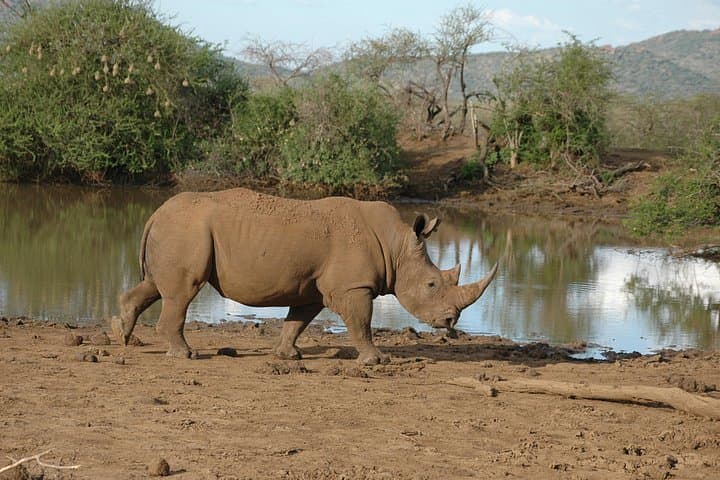
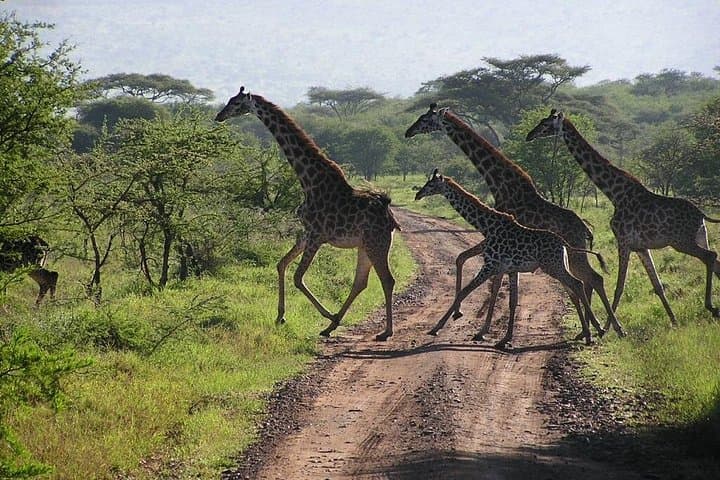
Arusha is small and offers varied habitats—elephants, buffalo and leopards can be seen, but sightings of rhino or lion are less consistent than in larger northern parks.
Guided short walks are common—your guide will advise on safe routes for primate viewing and crater rim walks; independent walking off-trail is not recommended.
Many operators provide English- and European-language-speaking guides; private transfers and airport pickups are commonly offered and often included in tour packages.
The park preserves land shaped by Mount Meru’s volcanic activity and has long been used by local Meru and Maasai communities for grazing and cultural practices.
Arusha’s small size concentrates human-wildlife interfaces; support for local guides and park fees helps fund anti-poaching and habitat maintenance programs.
TaraLight Safari Tours operates guided outdoor trips and adventures with an emphasis on safety, stewardship, and memorable experiences.
A dust-slicked Land Cruiser eases out of Arusha before dawn and the rim of Ngurdoto Crater slides into view like a hidden amphitheater. The air cools as the vehicle climbs toward montane forest; sunlight pries apart mist over Momella’s shallow lakes and the first flamingos dip like pale punctuation. Elephants move with deliberate intent across the plains, while colobus monkeys rattle through the canopy above—this is a park where habitats change in a heartbeat.
A dust-slicked Land Cruiser eases out of Arusha before dawn and the rim of Ngurdoto Crater slides into view like a hidden amphitheater. The air cools as the vehicle climbs toward montane forest; sunlight pries apart mist over Momella’s shallow lakes and the first flamingos dip like pale punctuation. Elephants move with deliberate intent across the plains, while colobus monkeys rattle through the canopy above—this is a park where habitats change in a heartbeat.
Arusha National Park occupies a narrow band of scenery carved by Mount Meru’s volcanic past. Ngurdoto’s steep walls hold grassland and marsh, Meru’s slopes wear dense forest, and the Momella wetlands collect alkaline pools that attract waterbirds. The area is culturally linked to the Meru and Maasai peoples, whose grazing practices and local guiding traditions shape modern park life.
For a day tour expect a mix of game drive and short walks, six hours of wildlife viewing and plenty of photography stops. Guides often combine crater rim lookouts, forest trails for primate spotting, and lakeside views for flamingos and hippo sightings. Wildlife sightings aren’t guaranteed—animals move on their own timetable—but the park’s compactness makes productive viewing likely.
Practical notes: start early to beat heat and afternoon clouds, bring layered clothing for cool mornings and warmer afternoons, and carry reusable water and sun protection. Respect minimum distances to animals, follow your guide’s instructions on exits and stops, and budget extra time for the 1.5–2 hour drive from Arusha town. With attentive timing and basic gear, a day in Arusha National Park delivers both intimate wildlife encounters and volcanic landscapes in one compact outing.