THE ADVENTURE COLLECTIVE® · Independent discovery and booking for outdoor travel

Spend a day behind the wheel of a 4WD discovering Arusha National Park: two game drives, lunch at Momela Wildlife Lodge, flamingo-specked lakes and the 3 km Ngurdoto Crater. This full-day tour pairs dramatic scenery with accessible wildlife viewing close to Arusha and Kilimanjaro Airport.
Spend a day behind the wheel of a 4WD discovering Arusha National Park: two game drives, lunch at Momela Wildlife Lodge, flamingo-specked lakes and the 3 km Ngurdoto Crater. This full-day tour pairs dramatic scenery with accessible wildlife viewing close to Arusha and Kilimanjaro Airport.
By 8 a.m. the engine thrums and the dust of Arusha town falls away as the 4WD motors toward the park. The road tightens into a ribbon of red, and suddenly the skyline is cleft by Mount Meru, its bulk a silent weather machine at 4,566 meters. You will feel the landscape change beneath your tires: acacia-dotted plains open to forested slopes, and lakes flash like sequins in hollows. The day unfolds in two game drives, with lunch at Momela Wildlife Lodge and a close look at Ngurdoto Crater.
Verified experiences and guided adventures in the surrounding area.
Operated by Gracepatt Ecotours Kenya · Arusha, Arusha Region
By 8 a.m. the engine thrums and the dust of Arusha town falls away as the 4WD motors toward the park. The road tightens into a ribbon of red, and suddenly the skyline is cleft by Mount Meru, its bulk a silent weather machine at 4,566 meters. You will feel the landscape change beneath your tires: acacia-dotted plains open to forested slopes, and lakes flash like sequins in hollows. The day unfolds in two game drives, with lunch at Momela Wildlife Lodge and a close look at Ngurdoto Crater.
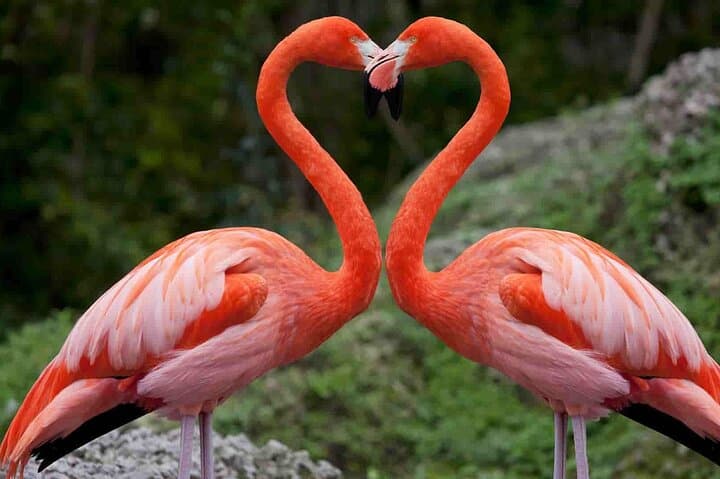
Arusha National Park is compact but dramatically varied. Geologically the park is young and restless: Mount Meru is a stratovolcano, and Ngurdoto Crater is a 3-kilometer-wide bowl carved by volcanic collapse some 15 million years ago. The Momela Lakes, alkaline and shallow, harbour bands of flamingos and shift color with wind and algae; their different hues reveal chemistry as much as weather. Human history is visible in the outskirts too—Arusha town grew as a caravan and colonial hub, and local Maasai communities still shape the cultural landscape you pass on the way in.
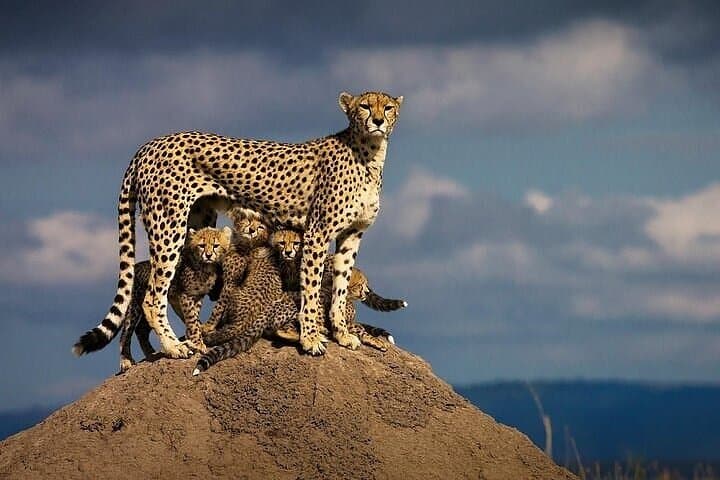
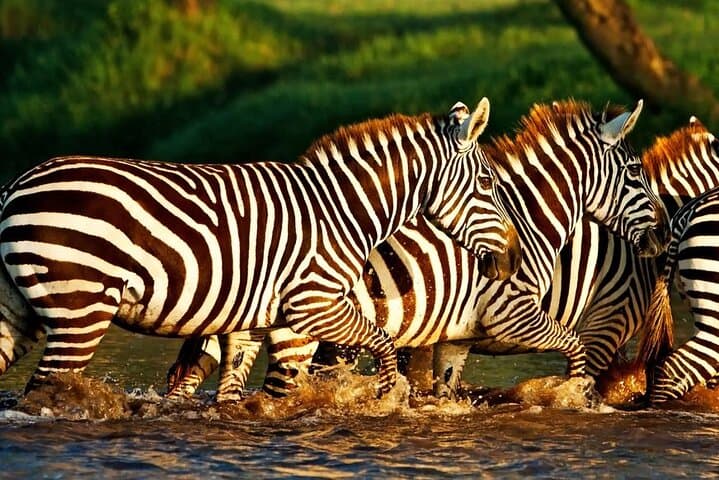
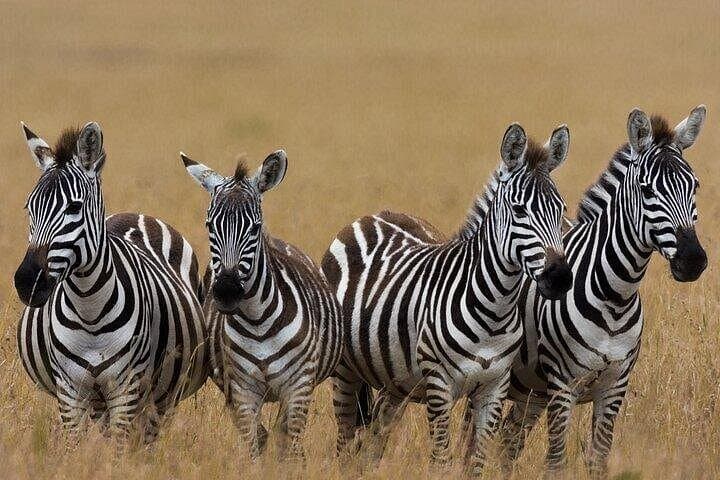
Wildlife is abundant and approachable if you keep quiet and patient. Herds of buffalo graze the grasslands, elephants traverse the woodlands, and hippos wallow in lake margins at midday. Birdlife is prolific: look for fish eagles wheeling above the lakes and small, restless sunbirds among shrub borders. Your guide knows where to listen—sometimes you spot colobus monkeys in the forest canopy before you see them.
Practicalities matter on a day like this. The tour runs about eight hours with hotel pickup in Arusha or from Kilimanjaro airport, and includes park entrance fees, a knowledgeable driver-guide, lunch, and bottled water. Expect unpaved tracks and occasional bumpy sections; the 4WD is essential. Morning drives give the best activity for grazers and predators, but late afternoon light shapes the crater into dramatic profiles and is great for photography.
Pack sun protection, binoculars, a charged camera, and closed-toe shoes; bring a light rain layer during the March–May rains. Keep a small daypack for layers, medications, and snacks. Respect park rules: no feeding wildlife, keep windows and voices low near animals, and follow your guide's instructions.
In eight hours you cover forest, highland moorland, crater rim, and alkaline lakes. The park dares you to notice the differences: the hush of the forest, the wide-open breath of the plains, the crater's bowl that holds weather like a memory. It is an efficient taste of Tanzania—intense, changeable, and thoroughly outdoor.
easy.
8 hours.
Suitable for most fitness levels; you will be seated for drives and do short, flat walks at viewpoints and around lodge areas.
The tour is approximately 8 hours and includes hotel pickup, park entrance fees, a driver-guide, lunch at Momela Wildlife Lodge, and bottled water.
Common sightings include buffalo, elephant, hippo, giraffe, various antelopes, and abundant birdlife like flamingos at Momela Lakes; sightings are never guaranteed.
Yes—infants must sit on an adult's lap; the operator notes the activity is suitable for all fitness levels.
Wear closed-toe shoes for short walks and sturdy footing, and layer clothes for varying temperatures; bring sun protection and a light rain jacket in wet season.
Pickup is offered from Arusha hotels and the Kilimanjaro Airport area; specific pickup points are confirmed after booking and the driver will meet you in the hotel lobby.
Yes, park fees and lunch at Momela Wildlife Lodge are included in the tour price.
Arusha has long been a crossroads for trade and colonial administration; the national park itself preserves land shaped by volcanic activity and centuries of human movement.
Visitors should stick to roads and paths to limit habitat disturbance; the park uses fees to support anti-poaching and local community programs.
Gracepatt Ecotours Kenya operates guided outdoor trips and adventures with an emphasis on safety, stewardship, and memorable experiences.
By 8 a.m. the engine thrums and the dust of Arusha town falls away as the 4WD motors toward the park. The road tightens into a ribbon of red, and suddenly the skyline is cleft by Mount Meru, its bulk a silent weather machine at 4,566 meters. You will feel the landscape change beneath your tires: acacia-dotted plains open to forested slopes, and lakes flash like sequins in hollows. The day unfolds in two game drives, with lunch at Momela Wildlife Lodge and a close look at Ngurdoto Crater.
By 8 a.m. the engine thrums and the dust of Arusha town falls away as the 4WD motors toward the park. The road tightens into a ribbon of red, and suddenly the skyline is cleft by Mount Meru, its bulk a silent weather machine at 4,566 meters. You will feel the landscape change beneath your tires: acacia-dotted plains open to forested slopes, and lakes flash like sequins in hollows. The day unfolds in two game drives, with lunch at Momela Wildlife Lodge and a close look at Ngurdoto Crater.
Arusha National Park is compact but dramatically varied. Geologically the park is young and restless: Mount Meru is a stratovolcano, and Ngurdoto Crater is a 3-kilometer-wide bowl carved by volcanic collapse some 15 million years ago. The Momela Lakes, alkaline and shallow, harbour bands of flamingos and shift color with wind and algae; their different hues reveal chemistry as much as weather. Human history is visible in the outskirts too—Arusha town grew as a caravan and colonial hub, and local Maasai communities still shape the cultural landscape you pass on the way in.
Wildlife is abundant and approachable if you keep quiet and patient. Herds of buffalo graze the grasslands, elephants traverse the woodlands, and hippos wallow in lake margins at midday. Birdlife is prolific: look for fish eagles wheeling above the lakes and small, restless sunbirds among shrub borders. Your guide knows where to listen—sometimes you spot colobus monkeys in the forest canopy before you see them.
Practicalities matter on a day like this. The tour runs about eight hours with hotel pickup in Arusha or from Kilimanjaro airport, and includes park entrance fees, a knowledgeable driver-guide, lunch, and bottled water. Expect unpaved tracks and occasional bumpy sections; the 4WD is essential. Morning drives give the best activity for grazers and predators, but late afternoon light shapes the crater into dramatic profiles and is great for photography.
Pack sun protection, binoculars, a charged camera, and closed-toe shoes; bring a light rain layer during the March–May rains. Keep a small daypack for layers, medications, and snacks. Respect park rules: no feeding wildlife, keep windows and voices low near animals, and follow your guide's instructions.
In eight hours you cover forest, highland moorland, crater rim, and alkaline lakes. The park dares you to notice the differences: the hush of the forest, the wide-open breath of the plains, the crater's bowl that holds weather like a memory. It is an efficient taste of Tanzania—intense, changeable, and thoroughly outdoor.