THE ADVENTURE COLLECTIVE® · Independent discovery and booking for outdoor travel

Spend a full day exploring Arbanassi’s frescoed churches and Veliko Tarnovo’s hilltop fortress on this premium small-group tour. Expect scenic driving, guided history at Tsarevets, and free time in a traditional Bulgarian village.
Spend a full day exploring Arbanassi’s frescoed churches and Veliko Tarnovo’s hilltop fortress on this premium small-group tour. Expect scenic driving, guided history at Tsarevets, and free time in a traditional Bulgarian village.
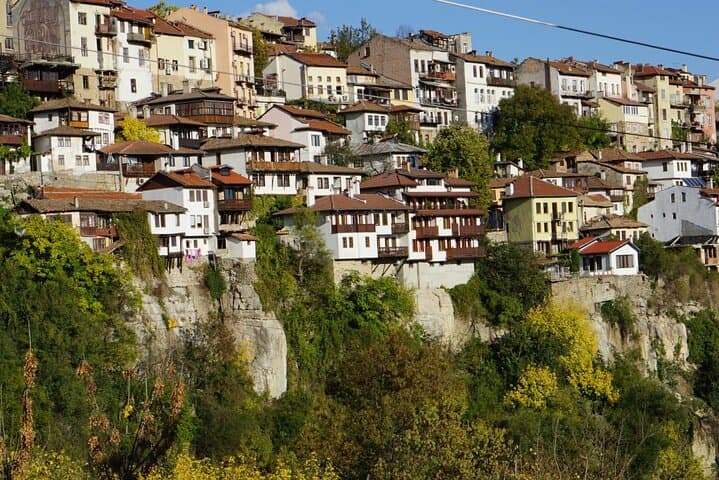
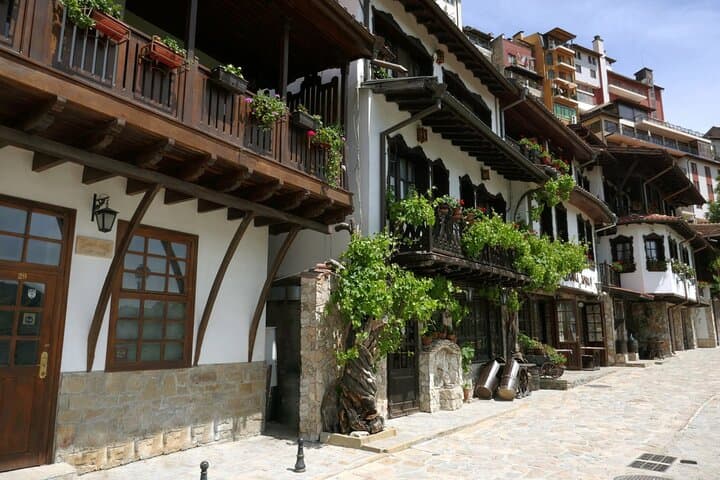
Morning light spills across the Yantra valley as the minibus eases over the border and the hills of north-central Bulgaria unfold. Travelers step out onto cobbled lanes where stone houses lean into the slope and the air smells faintly of wood smoke and strong coffee.
Verified experiences and guided adventures in the surrounding area.
Morning light spills across the Yantra valley as the minibus eases over the border and the hills of north-central Bulgaria unfold. Travelers step out onto cobbled lanes where stone houses lean into the slope and the air smells faintly of wood smoke and strong coffee.
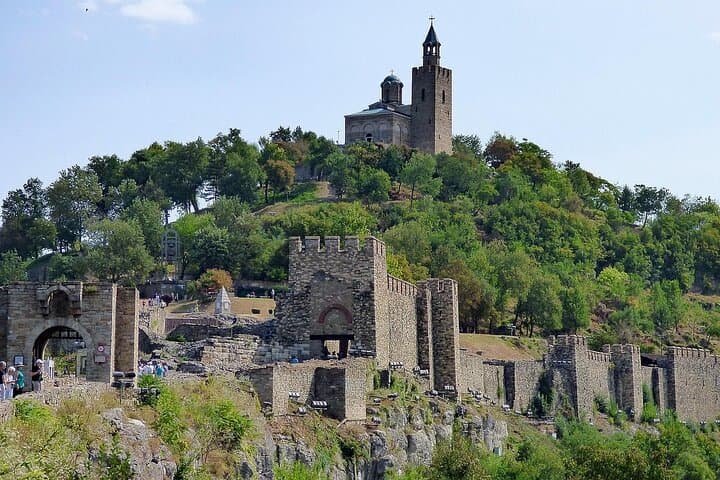
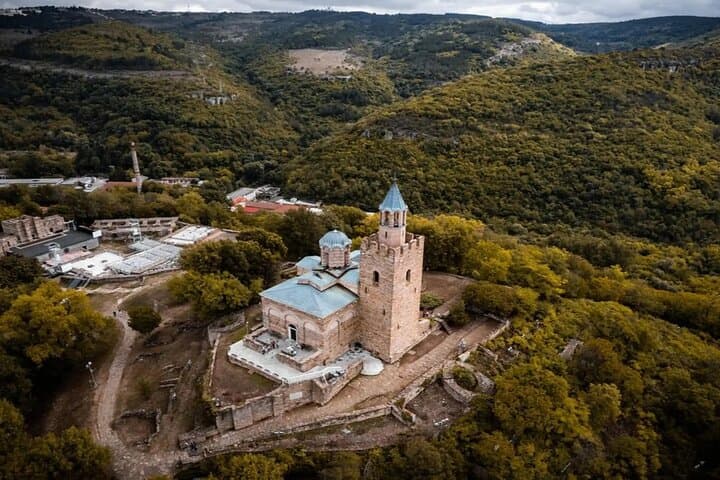
This day trip links two eras: Arbanassi’s 17th–18th century merchant houses and the frescoed Nativity Church, and Tsarevets, the commanding medieval stronghold that guarded the Second Bulgarian Empire. The fortress crowns a rocky promontory above the Yantra River, its walls cutting a clean line against the sky; the river below seems to push travelers toward the town with a steady, curious pull.
Geologically the region is defined by folded sedimentary ridges and shallow valleys carved by the Yantra, creating abrupt viewpoints and narrow streets that demand steady footing. Culturally, Veliko Tarnovo has been a crossroads—Thracian, Roman, Byzantine and Ottoman traces appear alongside revived Bulgarian National Revival architecture.
Practical guidance: expect a full 12‑hour day with hotel pickup, border crossing and roughly 3 hours driving from Bucharest each way. Wear supportive shoes for uneven cobbles and fortress steps, layer for changing temperatures, and carry a passport for the international crossing. Bring water and a small amount of cash for cafe lunches or souvenirs. Timed right—early or late afternoon—the fortress offers long light for photos and cooler walking.
Small-group pacing leaves time for a guided walk at Tsarevets and free time in Arbanassi to explore frescoes and traditional crafts. It’s a cultural day that rewards curiosity and sensible preparation.
easy.
12 hours.
Suitable for travelers with basic mobility; involves walking on uneven surfaces and climbing steps.
Lunch is not included; the itinerary includes free time to eat at a local restaurant where you can sample Bulgarian cuisine.
Admissions are generally not included; check with the operator for current entry fees and whether any sites offer combined tickets.
The operator provides hotel pickup and drop-off—confirm your pickup point in advance during booking.
The tour is labeled easy but involves uneven cobbles and stairs; travelers with significant mobility limitations should inquire about accessibility before booking.
Veliko Tarnovo was the capital of the Second Bulgarian Empire (12th–14th century) and retains medieval church and fortress remains; Arbanassi prospered later as a merchant village with richly decorated churches.
Visitors should stay on marked paths and avoid touching frescoes; local efforts focus on preserving historic masonry and limiting wear from foot traffic.
Morning light spills across the Yantra valley as the minibus eases over the border and the hills of north-central Bulgaria unfold. Travelers step out onto cobbled lanes where stone houses lean into the slope and the air smells faintly of wood smoke and strong coffee.
Morning light spills across the Yantra valley as the minibus eases over the border and the hills of north-central Bulgaria unfold. Travelers step out onto cobbled lanes where stone houses lean into the slope and the air smells faintly of wood smoke and strong coffee.
This day trip links two eras: Arbanassi’s 17th–18th century merchant houses and the frescoed Nativity Church, and Tsarevets, the commanding medieval stronghold that guarded the Second Bulgarian Empire. The fortress crowns a rocky promontory above the Yantra River, its walls cutting a clean line against the sky; the river below seems to push travelers toward the town with a steady, curious pull.
Geologically the region is defined by folded sedimentary ridges and shallow valleys carved by the Yantra, creating abrupt viewpoints and narrow streets that demand steady footing. Culturally, Veliko Tarnovo has been a crossroads—Thracian, Roman, Byzantine and Ottoman traces appear alongside revived Bulgarian National Revival architecture.
Practical guidance: expect a full 12‑hour day with hotel pickup, border crossing and roughly 3 hours driving from Bucharest each way. Wear supportive shoes for uneven cobbles and fortress steps, layer for changing temperatures, and carry a passport for the international crossing. Bring water and a small amount of cash for cafe lunches or souvenirs. Timed right—early or late afternoon—the fortress offers long light for photos and cooler walking.
Small-group pacing leaves time for a guided walk at Tsarevets and free time in Arbanassi to explore frescoes and traditional crafts. It’s a cultural day that rewards curiosity and sensible preparation.