THE ADVENTURE COLLECTIVE® · Independent discovery and booking for outdoor travel

Walk the ruins founded by Pyrrhus of Epirus and trade city streets for pine-scented meadows. This 2–4 hour day trip from Gjirokastër pairs easy trails with layered history and clear vantage points over the Lunxhëria landscape.
Walk the ruins founded by Pyrrhus of Epirus and trade city streets for pine-scented meadows. This 2–4 hour day trip from Gjirokastër pairs easy trails with layered history and clear vantage points over the Lunxhëria landscape.
A dry wind moves over low stone walls as you step from the van onto a sweep of meadow that was once a Hellenistic city square. Antigonea’s ruined foundations sit 14 kilometers east of Gjirokastër, where broken courses of limestone and shale outline streets, terraces and public spaces. The site opens like a map of decisions: defensive walls pushed by geology, a network of terraces cut into folded limestone, and low pines and polypod forests reclaiming abandoned plots.
Verified experiences and guided adventures in the surrounding area.
Operated by Enis Travel Tours · Gjirokastër, Gjirokastër County
A dry wind moves over low stone walls as you step from the van onto a sweep of meadow that was once a Hellenistic city square. Antigonea’s ruined foundations sit 14 kilometers east of Gjirokastër, where broken courses of limestone and shale outline streets, terraces and public spaces. The site opens like a map of decisions: defensive walls pushed by geology, a network of terraces cut into folded limestone, and low pines and polypod forests reclaiming abandoned plots.
Founded in the 3rd century BCE by King Pyrrhus of Epirus and named for his wife Antigone, the city sits at the crossroads of Chaonian culture and Hellenistic geopolitics. Geologically, the area is part of the Pindus foothills — karstic ridges, shallow soils and seasonal springs that fed residents and shaped settlement patterns. Lunxhëria’s living traditions — folk embroidery, stone houses and seasonal grazing — still mark the surrounding landscape.
Practical guidance: plan for uneven ground and limited facilities; bars and restaurants are not allowed inside the National Archaeological Park, so arrange coffee before you start. Visits typically last 2–4 hours and require sturdy footwear, sun protection and water. Expect gentle climbs between ruin clusters and sweeping views rather than steep ascents. Interpretive signs are present but bring a map or guide to place foundations in historical context. Respect fenced areas and buried remains—the quiet of the meadows preserves both plants and fragile archaeology. Early morning or late afternoon visits deliver the best light and cooler temperatures for walking.
easy.
2–4 hours.
Suitable for most people with basic mobility; able to walk 2–5 km over uneven terrain.
The site is about 14 km east of Gjirokastër; most visits depart from the town center by private transfer or guided tuk-tuk; arrange pickup with your operator.
No—cafés and restaurants are not allowed inside the National Archaeological Park, so plan to have coffee in Gjirokastër before arrival or bring snacks.
Yes, the terrain is generally gentle but uneven; strollers are impractical and those with mobility limits should bring assistance.
Mobile or paper tickets are accepted and reservations are usually instant; check booking details and cancel at least 24 hours to get a full refund.
Antigonea was founded in the 3rd century BCE by Pyrrhus of Epirus and served as a regional inland center for the Chaonians.
The archaeological park protects both ruins and sensitive meadow habitats; visitors should avoid trampling flora and follow park rules to minimize impact.
Enis Travel Tours operates guided outdoor trips and adventures with an emphasis on safety, stewardship, and memorable experiences.
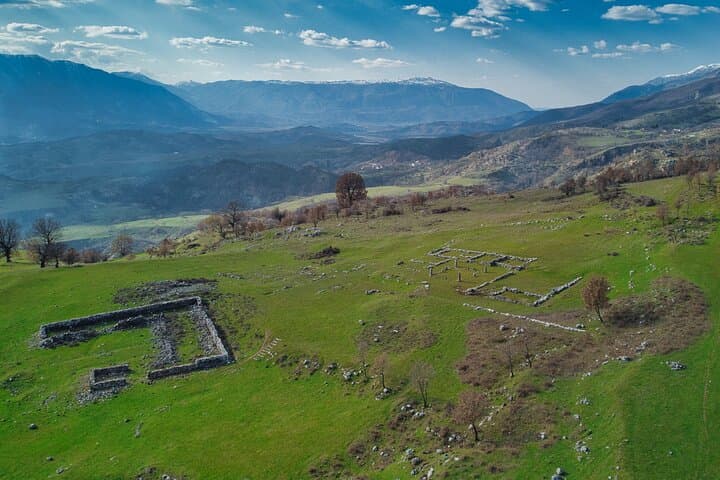
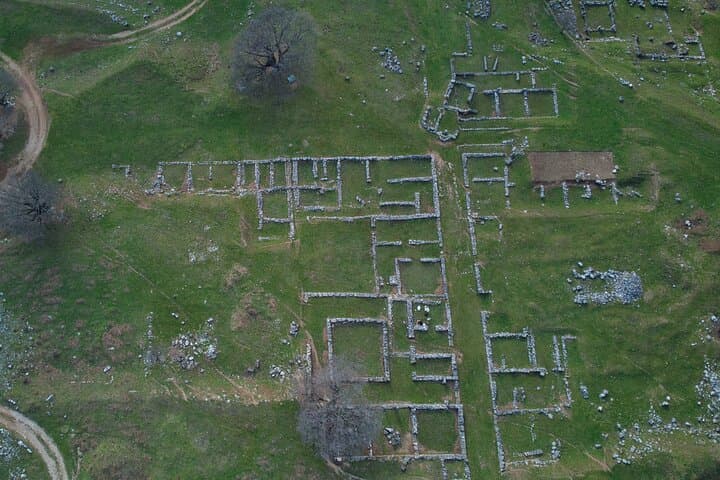
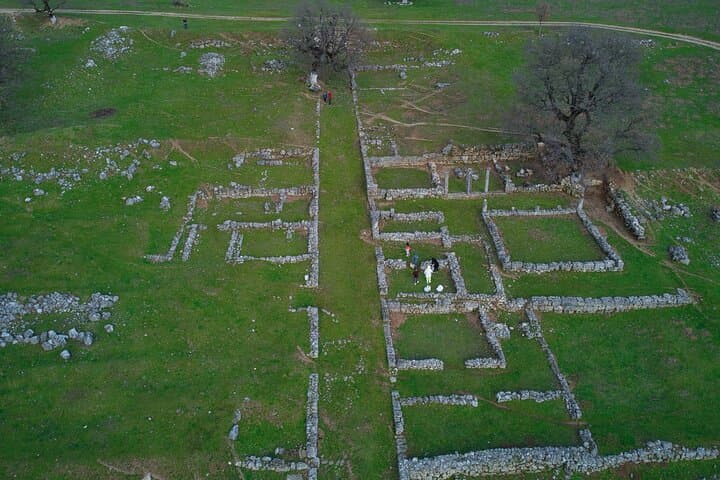
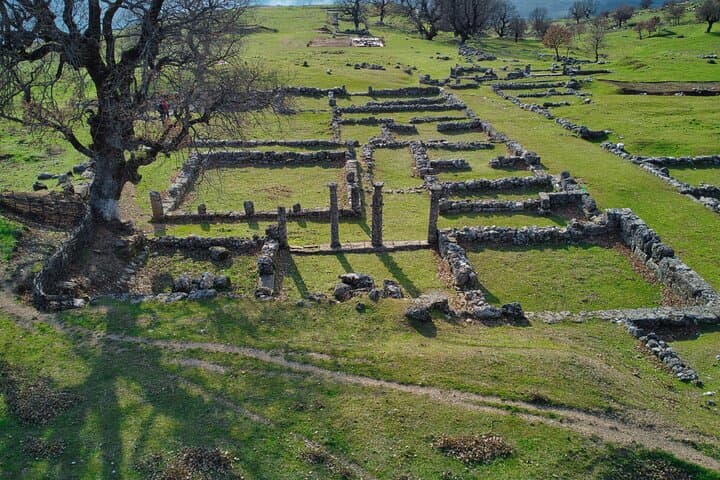
A dry wind moves over low stone walls as you step from the van onto a sweep of meadow that was once a Hellenistic city square. Antigonea’s ruined foundations sit 14 kilometers east of Gjirokastër, where broken courses of limestone and shale outline streets, terraces and public spaces. The site opens like a map of decisions: defensive walls pushed by geology, a network of terraces cut into folded limestone, and low pines and polypod forests reclaiming abandoned plots.
A dry wind moves over low stone walls as you step from the van onto a sweep of meadow that was once a Hellenistic city square. Antigonea’s ruined foundations sit 14 kilometers east of Gjirokastër, where broken courses of limestone and shale outline streets, terraces and public spaces. The site opens like a map of decisions: defensive walls pushed by geology, a network of terraces cut into folded limestone, and low pines and polypod forests reclaiming abandoned plots.
Founded in the 3rd century BCE by King Pyrrhus of Epirus and named for his wife Antigone, the city sits at the crossroads of Chaonian culture and Hellenistic geopolitics. Geologically, the area is part of the Pindus foothills — karstic ridges, shallow soils and seasonal springs that fed residents and shaped settlement patterns. Lunxhëria’s living traditions — folk embroidery, stone houses and seasonal grazing — still mark the surrounding landscape.
Practical guidance: plan for uneven ground and limited facilities; bars and restaurants are not allowed inside the National Archaeological Park, so arrange coffee before you start. Visits typically last 2–4 hours and require sturdy footwear, sun protection and water. Expect gentle climbs between ruin clusters and sweeping views rather than steep ascents. Interpretive signs are present but bring a map or guide to place foundations in historical context. Respect fenced areas and buried remains—the quiet of the meadows preserves both plants and fragile archaeology. Early morning or late afternoon visits deliver the best light and cooler temperatures for walking.