THE ADVENTURE COLLECTIVE® · Independent discovery and booking for outdoor travel

A day trip from Granada that pairs Antequera’s World Heritage dolmens with the otherworldly karst formations of El Torcal. Expect easy walks, dramatic limestone towers, and concise local history woven into the landscape.
A day trip from Granada that pairs Antequera’s World Heritage dolmens with the otherworldly karst formations of El Torcal. Expect easy walks, dramatic limestone towers, and concise local history woven into the landscape.
You step off the coach into a pale sun that sharpens white facades and church towers; Antequera spreads out like a living map of southern Spain where Roman ruins, an Arabic alcazaba and cathedral roofs argue for attention.
Verified experiences and guided adventures in the surrounding area.
Operated by Discovering Spain · Antequera, Andalucía
You step off the coach into a pale sun that sharpens white facades and church towers; Antequera spreads out like a living map of southern Spain where Roman ruins, an Arabic alcazaba and cathedral roofs argue for attention.
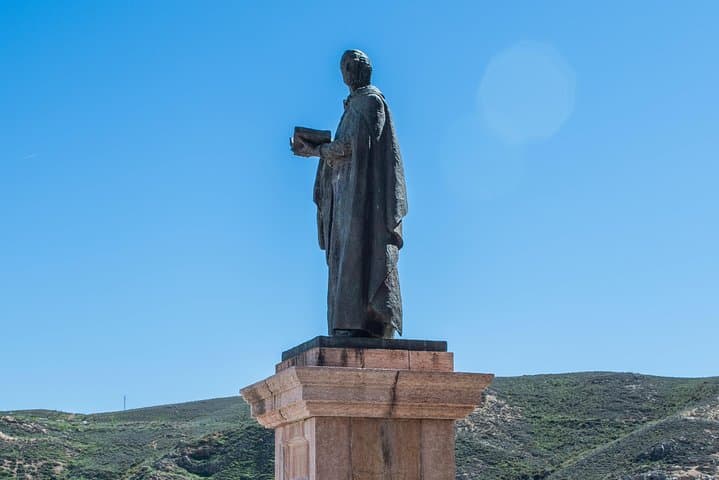
The day moves between human history and stone-made nature. First, Antequera’s compact center reveals its wealth of churches and the dolmen complex—megalithic burials that mark human occupation here since the Paleolithic and earned UNESCO attention for their archaeological importance. The guide threads stories of merchants, monastic life, and the Peñón de los Enamorados, a crag with a dramatic local legend that gives the skyline character.
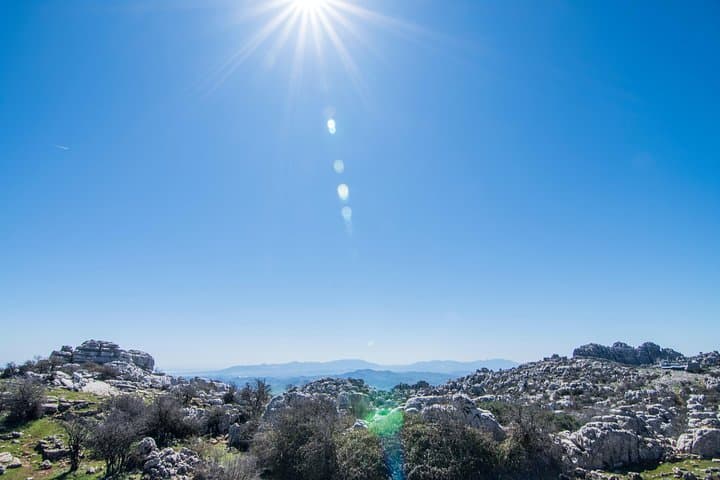
A short drive deposits you at El Torcal, an austere karst landscape where limestone has been sculpted into honeycombed towers, narrow passages and flattened viewing ledges. The rocks seem to lean and converse; wind and rain have chiseled corridors that invite exploration and careful scrambling. Birdsong and the distant buzz of crickets punctuate the silence.
Expect paved viewpoints and well-marked trails mixed with short sections of uneven footing and loose scree. The loop through the central karst takes an hour or more depending on stops; camera time expands that. Practical points: bring layered sun protection, 1–2 liters of water, and sturdy shoes with grip for short scrambles. Mornings and late afternoons offer the best light and cooler air for walks; summer mid-day can be exposed and hot. The tour pairs cultural discovery with easy wilderness—an efficient, sensory day trip from Granada for travelers who want geology, history and crisp Andalusian landscapes in one outing.
moderate.
7 hours.
Moderate fitness: able to stand and walk up to 2–3 miles with short uneven sections and stairs.
The main loop through the central karst typically takes 45–90 minutes depending on pace and photo stops; combined with Antequera visits the full tour runs about 7 hours.
Yes for children and active older travelers who can manage short uneven sections; infants should be in a secure carrier and there are occasional steps and slopes.
Admission for outdoor sites like El Torcal and the dolmen areas is generally public; check the booking details for any specific museum or site fees that might be optional.
Yes—this is a day trip that departs from Granada and returns the same day; pickup details are provided at booking.
Antequera was a crossroads from the Paleolithic through Roman and Moorish periods, with its dolmens and Alcazaba reflecting layered strategic and ritual importance.
El Torcal is managed to protect its fragile karst formations and endemic species—stick to trails, carry out waste, and avoid off-path trampling to reduce erosion.
Discovering Spain operates guided outdoor trips and adventures with an emphasis on safety, stewardship, and memorable experiences.


You step off the coach into a pale sun that sharpens white facades and church towers; Antequera spreads out like a living map of southern Spain where Roman ruins, an Arabic alcazaba and cathedral roofs argue for attention.
You step off the coach into a pale sun that sharpens white facades and church towers; Antequera spreads out like a living map of southern Spain where Roman ruins, an Arabic alcazaba and cathedral roofs argue for attention.
The day moves between human history and stone-made nature. First, Antequera’s compact center reveals its wealth of churches and the dolmen complex—megalithic burials that mark human occupation here since the Paleolithic and earned UNESCO attention for their archaeological importance. The guide threads stories of merchants, monastic life, and the Peñón de los Enamorados, a crag with a dramatic local legend that gives the skyline character.
A short drive deposits you at El Torcal, an austere karst landscape where limestone has been sculpted into honeycombed towers, narrow passages and flattened viewing ledges. The rocks seem to lean and converse; wind and rain have chiseled corridors that invite exploration and careful scrambling. Birdsong and the distant buzz of crickets punctuate the silence.
Expect paved viewpoints and well-marked trails mixed with short sections of uneven footing and loose scree. The loop through the central karst takes an hour or more depending on stops; camera time expands that. Practical points: bring layered sun protection, 1–2 liters of water, and sturdy shoes with grip for short scrambles. Mornings and late afternoons offer the best light and cooler air for walks; summer mid-day can be exposed and hot. The tour pairs cultural discovery with easy wilderness—an efficient, sensory day trip from Granada for travelers who want geology, history and crisp Andalusian landscapes in one outing.