THE ADVENTURE COLLECTIVE® · Independent discovery and booking for outdoor travel

See Angkor Wat and the small circuit of Angkor Thom with a private guide and driver from Siem Reap. This full-day option combines architectural highlights, quieter temple corners, and practical guidance for managing heat, dress codes, and ticketing.
See Angkor Wat and the small circuit of Angkor Thom with a private guide and driver from Siem Reap. This full-day option combines architectural highlights, quieter temple corners, and practical guidance for managing heat, dress codes, and ticketing.
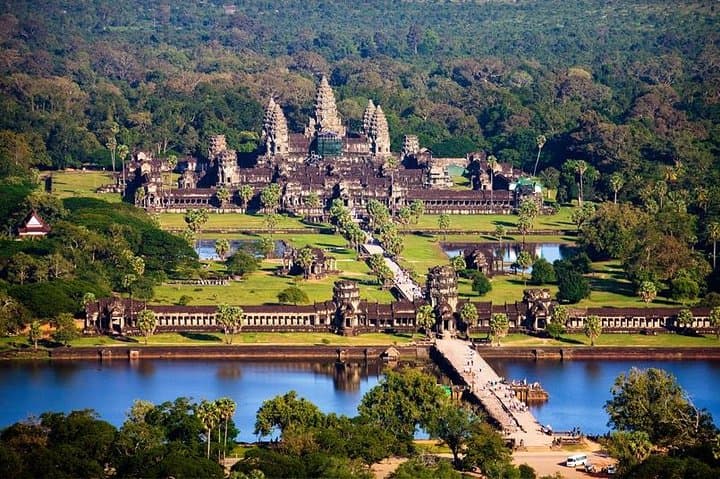
Morning light slices across sandstone galleries as a private car eases past flooded rice paddies toward the moat of Angkor Wat. Visitors pass through the causeway, the air rich with dust and incense, and the complex's scale becomes immediate: tiered towers rising from a carved sandstone base.
Verified experiences and guided adventures in the surrounding area.
Operated by Siem Reap Excursion Tour · Siem Reap, Siem Reap Province
Morning light slices across sandstone galleries as a private car eases past flooded rice paddies toward the moat of Angkor Wat. Visitors pass through the causeway, the air rich with dust and incense, and the complex's scale becomes immediate: tiered towers rising from a carved sandstone base.
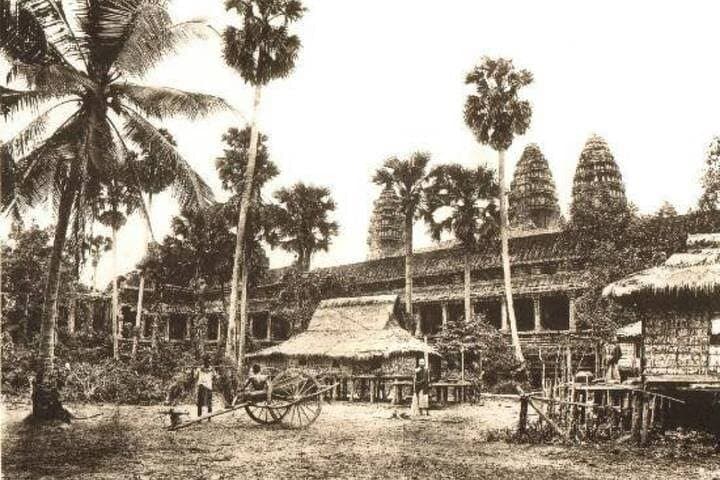
Angkor Wat began in the early 12th century under King Suryavarman II as a state temple and mausoleum; the wider Angkor region marks the high point of the Khmer Empire, its stones laid atop soft fluvial deposits that force complex drainage engineering still visible in the barays and canals. Centuries of reign, tropical weathering, and later French restoration have shaped the site's present look and conservation challenges.
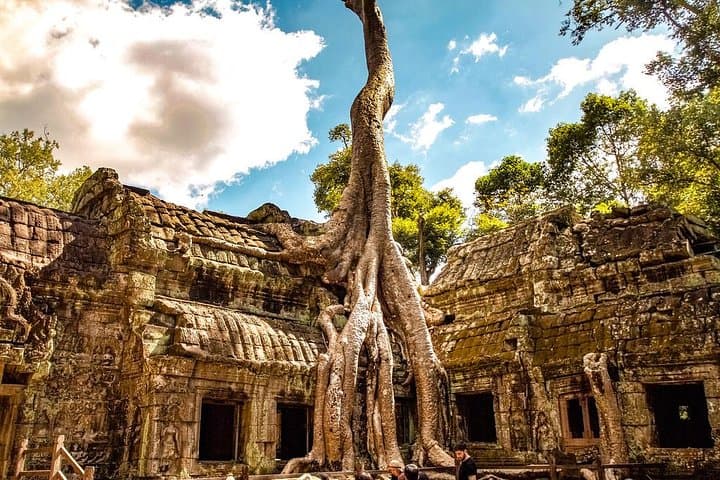
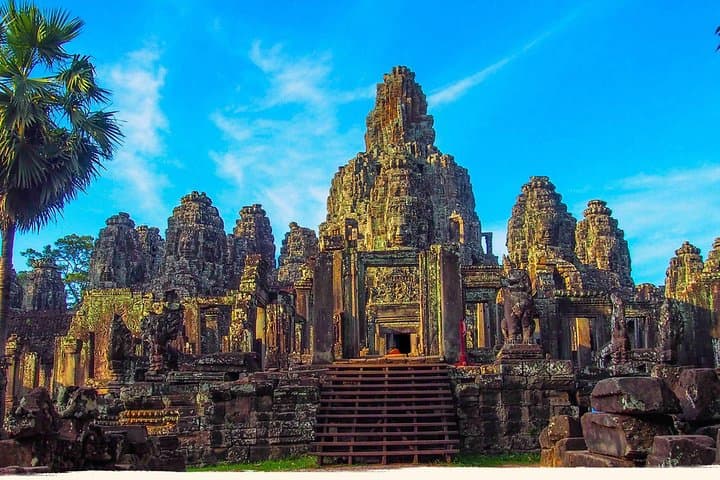
A private small-circuit tour typically covers Angkor Wat, the walled city of Angkor Thom with the enigmatic Bayon faces, the elephant terraces, and the root-entwined galleries of Ta Prohm. Guides explain iconography—Apsara dancers, reliefs of Hindu epics—and point out quieter corners where reflected basins and mango trees offer shade.
Practical guidance: tours run about eight hours with hotel pickup in Siem Reap; expect extensive walking on uneven, sometimes slippery stone and packed dirt. Bring sun protection, a refillable water bottle, and modest clothing that covers shoulders and knees for temple entry. Start early to avoid heat and crowds and carry small cash for entrance passes, tips, and local snacks. A private guide tailors the pace, translating inscriptions and negotiating lines, leaving time for a calm riverside lunch in Siem Reap and an afternoon return before sunset.
easy.
8 hours.
Basic walking fitness—able to walk several kilometers on uneven stone and climb short stair sections.
Most private tours do not include the Angkor pass; buy a one-day or multi-day pass at the official ticket center or ask the operator to arrange it in advance.
Lunch is commonly not included unless stated; many tours stop at a local restaurant where you can pay separately—inform your guide of dietary needs.
Yes; this private option includes hotel pickup and drop-off in Siem Reap by an air-conditioned vehicle.
Modest clothing covering shoulders and knees is required—lightweight long sleeves or a sarong are practical choices in the heat.
Angkor Wat was built in the early 1100s under King Suryavarman II and later served as both a Hindu and Buddhist center, reflecting centuries of Khmer religious shifts.
Visitor pressure is a major issue; follow marked paths, avoid touching bas-reliefs, and support entry fees that fund APSARA Authority conservation work.
Siem Reap Excursion Tour operates guided outdoor trips and adventures with an emphasis on safety, stewardship, and memorable experiences.
Morning light slices across sandstone galleries as a private car eases past flooded rice paddies toward the moat of Angkor Wat. Visitors pass through the causeway, the air rich with dust and incense, and the complex's scale becomes immediate: tiered towers rising from a carved sandstone base.
Morning light slices across sandstone galleries as a private car eases past flooded rice paddies toward the moat of Angkor Wat. Visitors pass through the causeway, the air rich with dust and incense, and the complex's scale becomes immediate: tiered towers rising from a carved sandstone base.
Angkor Wat began in the early 12th century under King Suryavarman II as a state temple and mausoleum; the wider Angkor region marks the high point of the Khmer Empire, its stones laid atop soft fluvial deposits that force complex drainage engineering still visible in the barays and canals. Centuries of reign, tropical weathering, and later French restoration have shaped the site's present look and conservation challenges.
A private small-circuit tour typically covers Angkor Wat, the walled city of Angkor Thom with the enigmatic Bayon faces, the elephant terraces, and the root-entwined galleries of Ta Prohm. Guides explain iconography—Apsara dancers, reliefs of Hindu epics—and point out quieter corners where reflected basins and mango trees offer shade.
Practical guidance: tours run about eight hours with hotel pickup in Siem Reap; expect extensive walking on uneven, sometimes slippery stone and packed dirt. Bring sun protection, a refillable water bottle, and modest clothing that covers shoulders and knees for temple entry. Start early to avoid heat and crowds and carry small cash for entrance passes, tips, and local snacks. A private guide tailors the pace, translating inscriptions and negotiating lines, leaving time for a calm riverside lunch in Siem Reap and an afternoon return before sunset.