THE ADVENTURE COLLECTIVE® · Independent discovery and booking for outdoor travel

Self-guided access to the Colosseum, Roman Forum and Palatine Hill lets you explore Rome’s imperial core at your own pace. Expect vaulted corridors, panoramic hilltop views and mandatory security checks — bring ID and plan for uneven footing.
Self-guided access to the Colosseum, Roman Forum and Palatine Hill lets you explore Rome’s imperial core at your own pace. Expect vaulted corridors, panoramic hilltop views and mandatory security checks — bring ID and plan for uneven footing.
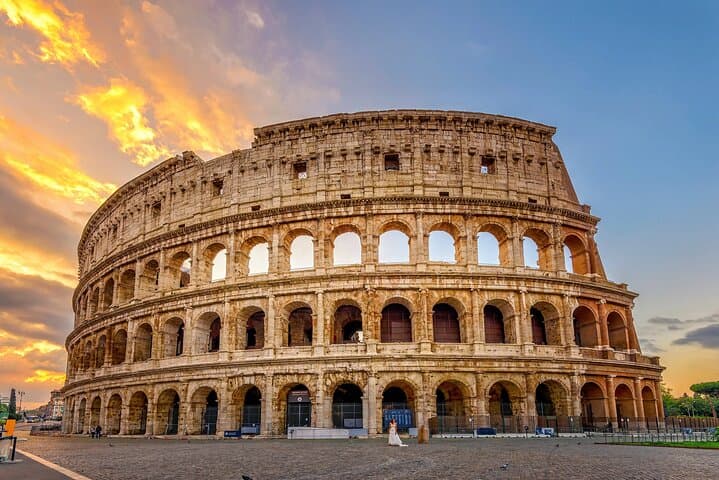
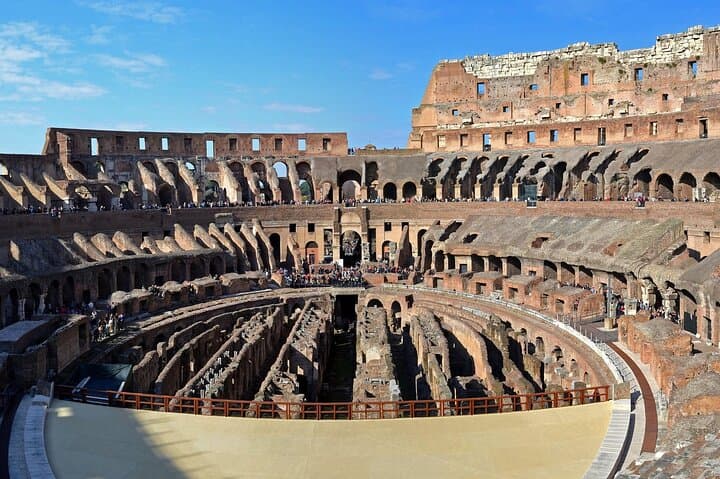
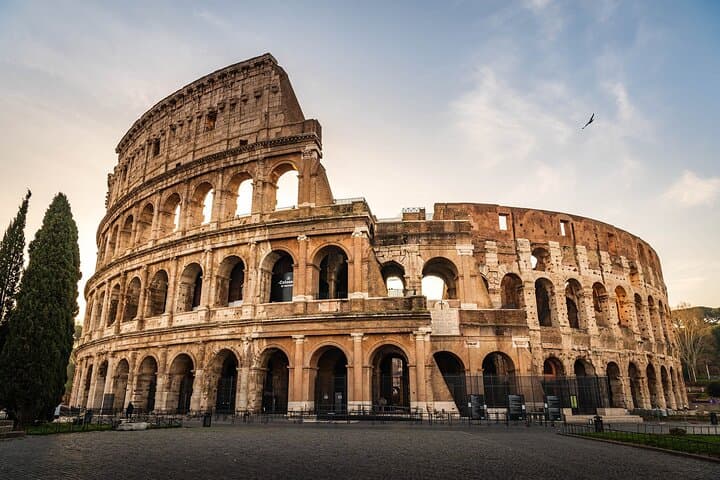
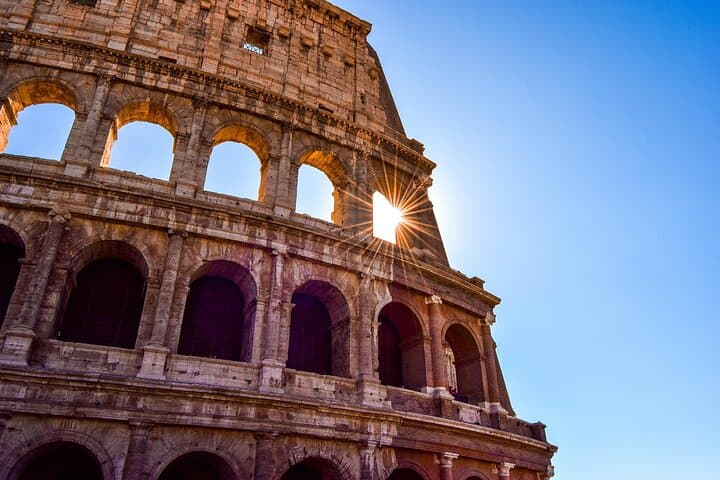
You step through a modern turnstile and the city tightens into a single, living ruin: the Colosseum’s stone ribs rise above you, shadows pooling in the vaulted corridors where gladiators once paced.
Verified experiences and guided adventures in the surrounding area.
Operated by Rome City Tours · Rome, Lazio
You step through a modern turnstile and the city tightens into a single, living ruin: the Colosseum’s stone ribs rise above you, shadows pooling in the vaulted corridors where gladiators once paced.
This self-guided entry gives you permission to move at your own rhythm — linger at the tiered arches, read the onsite panels, then walk the ridge of the Palatine Hill where emperors once surveyed the Forum below. Palatine’s terraces give a layered view of Rome’s urban archaeology; the Forum stretches like an open-air courthouse and marketplace, its columns daring you to reconstruct the speeches and processions that played out there.
Built under Vespasian and completed by Titus in AD 80, the Colosseum is a Roman engineering feat — concrete substructures, travertine facades, and a hypogeum of tunnels. The Forum and Palatine are the civic and residential cores of imperial Rome, with temples, basilicas, and palace ruins revealing political rituals and domestic life.
Practical guidance: bring a photo ID matching your booking name — tickets are nominative — and expect mandatory security checks. The route covers uneven stone, steps, and cobbled walkways; allow 1–2 hours for the core sites, more if you linger with the digital booklet. Early morning or late afternoon reduces crowds and heat. Wear sturdy shoes, carry water, and use the Palatine terraces for sheltering shade and skyline views. Respect barriers and signage — these sites are fragile and actively conserved — and consider a short detour to nearby viewpoints along the Via Sacra for quieter perspectives.
easy.
1–2 hours.
Basic walking fitness is sufficient; you'll climb stairs and cover uneven surfaces for short periods.
The ticket includes a reservation for entry but security checks are mandatory; you may still wait at metal detector or bag controls.
No — the product includes a digital e-guide booklet and local assistance staff, but not a live guide or audio device.
Children under 18 must be accompanied by an adult and must carry a valid identity document (digital copies accepted in some cases); the ticket name must match entry documents.
Certain areas are accessible and the attraction notes wheelchair access, but some archaeological zones have uneven terrain and limited access — check onsite routes beforehand.
The Colosseum was begun under Emperor Vespasian (AD 72) and completed by Titus (AD 80); the Roman Forum and Palatine Hill were Rome’s political, religious and residential heart during the Republic and Empire.
The sites are actively conserved by Italian cultural heritage authorities; visitors should stay on marked paths, avoid touching exposed masonry, and follow signage to limit erosion and wear.
Rome City Tours operates guided outdoor trips and adventures with an emphasis on safety, stewardship, and memorable experiences.
You step through a modern turnstile and the city tightens into a single, living ruin: the Colosseum’s stone ribs rise above you, shadows pooling in the vaulted corridors where gladiators once paced.
You step through a modern turnstile and the city tightens into a single, living ruin: the Colosseum’s stone ribs rise above you, shadows pooling in the vaulted corridors where gladiators once paced.
This self-guided entry gives you permission to move at your own rhythm — linger at the tiered arches, read the onsite panels, then walk the ridge of the Palatine Hill where emperors once surveyed the Forum below. Palatine’s terraces give a layered view of Rome’s urban archaeology; the Forum stretches like an open-air courthouse and marketplace, its columns daring you to reconstruct the speeches and processions that played out there.
Built under Vespasian and completed by Titus in AD 80, the Colosseum is a Roman engineering feat — concrete substructures, travertine facades, and a hypogeum of tunnels. The Forum and Palatine are the civic and residential cores of imperial Rome, with temples, basilicas, and palace ruins revealing political rituals and domestic life.
Practical guidance: bring a photo ID matching your booking name — tickets are nominative — and expect mandatory security checks. The route covers uneven stone, steps, and cobbled walkways; allow 1–2 hours for the core sites, more if you linger with the digital booklet. Early morning or late afternoon reduces crowds and heat. Wear sturdy shoes, carry water, and use the Palatine terraces for sheltering shade and skyline views. Respect barriers and signage — these sites are fragile and actively conserved — and consider a short detour to nearby viewpoints along the Via Sacra for quieter perspectives.