THE ADVENTURE COLLECTIVE® · Independent discovery and booking for outdoor travel

Visit two of the Yucatán’s most striking Mayan sites—Tulum’s cliff-top ruins and Coba’s jungle metropolis—in a single private day trip that includes admissions, transport, and a local lunch at Tacos Honorio. Perfect for history-minded travelers who prefer context with their views.
Visit two of the Yucatán’s most striking Mayan sites—Tulum’s cliff-top ruins and Coba’s jungle metropolis—in a single private day trip that includes admissions, transport, and a local lunch at Tacos Honorio. Perfect for history-minded travelers who prefer context with their views.
You step out of an air‑conditioned van and the Caribbean wind meets stone—salt in the air, scrub forest pressing close, and a cliff-top plaza where gulls wheel over turquoise water daring you to look down. The Tulum ruins sit like a coastal watchman, compact and cinematic, while farther inland Coba’s stone paths disappear into a living green ceiling. Both sites read like chapters of a long, human story written in stucco and limestone.
Verified experiences and guided adventures in the surrounding area.
Operated by Mexico Sol Tours · Playa del Carmen, Quintana Roo
You step out of an air‑conditioned van and the Caribbean wind meets stone—salt in the air, scrub forest pressing close, and a cliff-top plaza where gulls wheel over turquoise water daring you to look down. The Tulum ruins sit like a coastal watchman, compact and cinematic, while farther inland Coba’s stone paths disappear into a living green ceiling. Both sites read like chapters of a long, human story written in stucco and limestone.
Tulum rose as a Late Postclassic port-city, its El Castillo guiding sea traffic and astronomical observation. Coba, older and vaster, was a Classic-period hub linked by sacbeob—raised white roads—stretching between communities. Geology here is karst: porous limestone, sinkholes that form cenotes, and a shallow shelf that shapes the coast. Local culture remains present—street vendors, small eateries, and the recipe-driven pride of places like Tacos Honorio, where lunch roots the day in taste as much as Tulum and Coba root it in time.
Expect easy walking on uneven surfaces, shaded trails in Coba, and exposed seaside paths at Tulum. Bring sun protection, comfortable shoes, and a reusable bottle; plan for a 6–7 hour day with private transport and included admissions. Photography is allowed but respect restricted areas and follow your guide’s interpretation to get the most from stone carvings, ball courts, and the living jungle. The result is a balanced day—archaeology, landscape, and a local meal that turns sightseeing into an encounter.
easy.
6–7 hours.
Suitable for most fitness levels; expect multiple short walks up to 1–2 miles total with some stairs and uneven ground.
Yes—entrance fees to Tulum and Coba are included as part of the tour package.
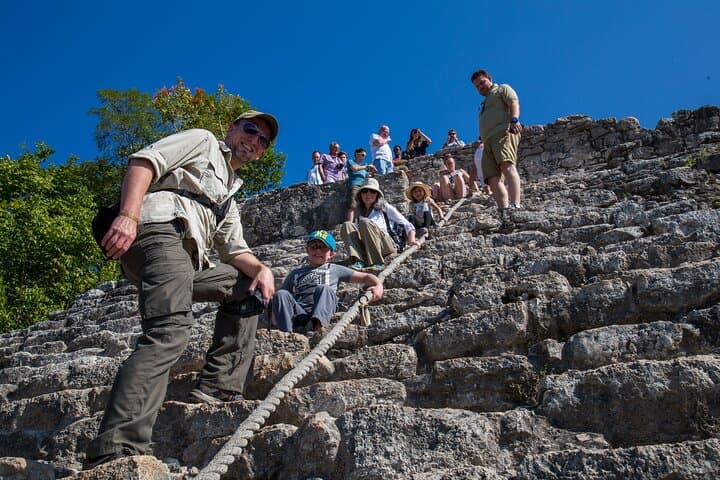
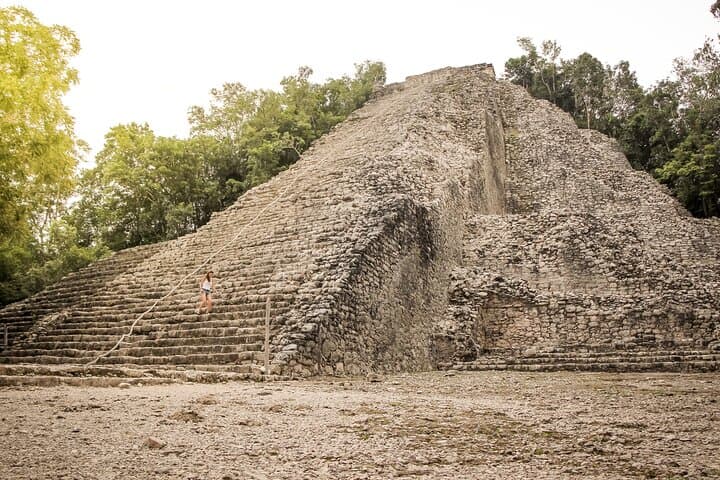
Climbing Nohoch Mul is currently restricted to protect the structure; your guide will explain viewpoints and alternatives for photos.
The tour includes a stop at Tulum’s beach area, but swimming is conditional on weather and time; always follow your guide’s instructions regarding safety.
The tour is labeled suitable for most fitness levels; however, uneven terrain and stairs at Tulum may challenge some—notify the operator in advance for any mobility concerns.
Tulum was an important Late Postclassic walled port with strong maritime and astronomical roles, while Coba served as a Classic-era regional center linked by extensive sacbeob (white roads).
Both sites are actively managed to protect fragile stonework and local ecology—respect trail closures, avoid feeding wildlife, and support local businesses to help sustain conservation efforts.
Mexico Sol Tours operates guided outdoor trips and adventures with an emphasis on safety, stewardship, and memorable experiences.
You step out of an air‑conditioned van and the Caribbean wind meets stone—salt in the air, scrub forest pressing close, and a cliff-top plaza where gulls wheel over turquoise water daring you to look down. The Tulum ruins sit like a coastal watchman, compact and cinematic, while farther inland Coba’s stone paths disappear into a living green ceiling. Both sites read like chapters of a long, human story written in stucco and limestone.
You step out of an air‑conditioned van and the Caribbean wind meets stone—salt in the air, scrub forest pressing close, and a cliff-top plaza where gulls wheel over turquoise water daring you to look down. The Tulum ruins sit like a coastal watchman, compact and cinematic, while farther inland Coba’s stone paths disappear into a living green ceiling. Both sites read like chapters of a long, human story written in stucco and limestone.
Tulum rose as a Late Postclassic port-city, its El Castillo guiding sea traffic and astronomical observation. Coba, older and vaster, was a Classic-period hub linked by sacbeob—raised white roads—stretching between communities. Geology here is karst: porous limestone, sinkholes that form cenotes, and a shallow shelf that shapes the coast. Local culture remains present—street vendors, small eateries, and the recipe-driven pride of places like Tacos Honorio, where lunch roots the day in taste as much as Tulum and Coba root it in time.
Expect easy walking on uneven surfaces, shaded trails in Coba, and exposed seaside paths at Tulum. Bring sun protection, comfortable shoes, and a reusable bottle; plan for a 6–7 hour day with private transport and included admissions. Photography is allowed but respect restricted areas and follow your guide’s interpretation to get the most from stone carvings, ball courts, and the living jungle. The result is a balanced day—archaeology, landscape, and a local meal that turns sightseeing into an encounter.