THE ADVENTURE COLLECTIVE® · Independent discovery and booking for outdoor travel

Trace Georgia’s oldest routes in a single day: from Mtskheta’s sacred cathedrals to the cliffside Jvari viewpoint and the cavernous streets of Uplistsikhe. This guided loop pairs easy walking with long transport segments and rich historical context.
Trace Georgia’s oldest routes in a single day: from Mtskheta’s sacred cathedrals to the cliffside Jvari viewpoint and the cavernous streets of Uplistsikhe. This guided loop pairs easy walking with long transport segments and rich historical context.
You step out of the van and the steppe breathes around you — the Mtkvari River below seems to dare you toward the low, honey-colored hills where stone rooms hollowed by human hands hold the smell of centuries.
Verified experiences and guided adventures in the surrounding area.
Operated by All Travel Georgia · Mtskheta, Mtskheta-Mtianeti
You step out of the van and the steppe breathes around you — the Mtkvari River below seems to dare you toward the low, honey-colored hills where stone rooms hollowed by human hands hold the smell of centuries.
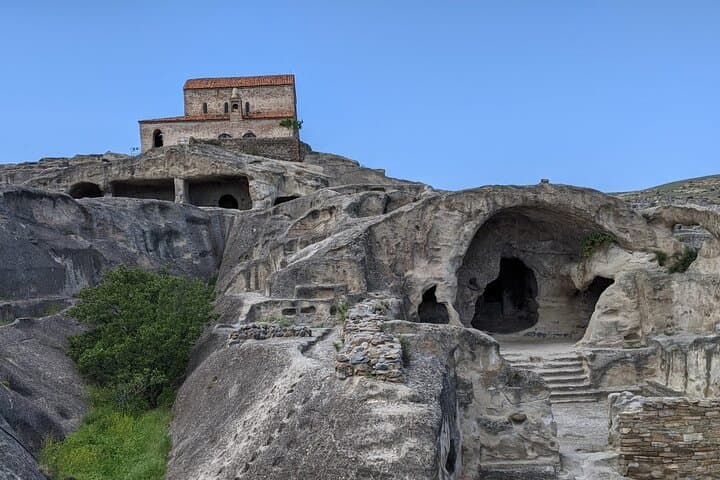
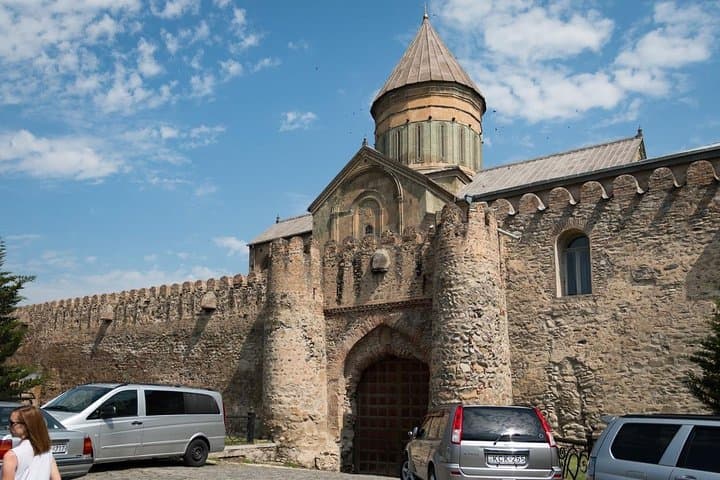
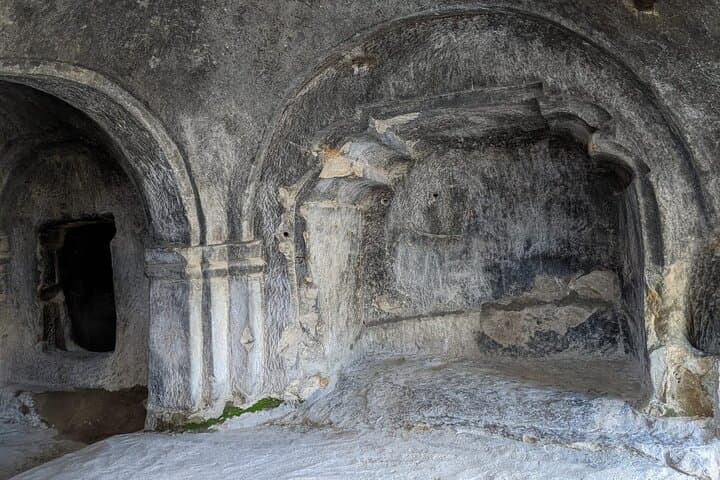
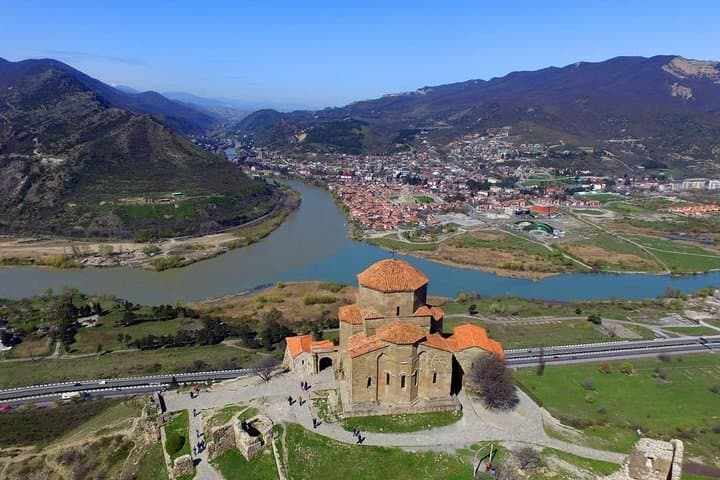
This full-day loop from Tbilisi threads three chapters of Georgian history: Mtskheta, the royal city and cradle of Georgian Christianity; the hilltop Jvari monastery, watching the confluence of rivers; and Uplistsikhe, the rock-cut town where trade routes met and pagan shrines gave way to stone basilicas. Geology here is visible in every surface — soft sandstone and tufa carved into houses, cellars and irrigation channels. The region’s culture is tactile: church bells, walnut-smoked flavors, and the stubborn hospitality that made this crossroads resilient.
Expect easy walking on uneven rock, stair sections at Jvari and in Uplistsikhe, and a few cobbled lanes in old Mtskheta. Guides usually pause for photo viewpoints and a short museum stop in Gori (Stalin Museum visit optional). The day is long — plan for 10–11 hours including transport — so hydrate early, wear shoes with grip, and carry sun protection for exposed ridge-top sites.
Practical timing: mornings offer softer light and cooler climbs; late afternoon brings warmer tones across the carved facades. Respect active worship at cathedrals by covering shoulders and removing hats indoors. With modest preparation this tour delivers layered history and landscape in one punchy day.
easy.
10–11 hours.
Suitable for most fitness levels; involves several short hikes, stair climbs and uneven walking surfaces.
The tour description notes admission for the Uplistsikhe cave complex is typically included; fees for some museums or optional stops may not be included—confirm at booking.
Expect a 10–11 hour day with several hours total in private vehicle transport between Tbilisi, Mtskheta and Gori/Uplistsikhe.
Sites have uneven stone steps and slopes; it’s not recommended for guests with significant spinal issues or limited mobility—check accessibility before booking.
Wear modest clothing covering shoulders and knees; men should avoid hats indoors and both genders should be prepared to remove headwear in active worship spaces.
Mtskheta was Georgia’s royal capital until the 5th century and the site where Christianity was adopted; both Jvari and Svetitskhoveli are UNESCO-listed landmarks.
These sites are protected under UNESCO and national heritage laws; visitors should stick to marked paths to limit erosion and avoid touching fragile rock-carved surfaces.
All Travel Georgia operates guided outdoor trips and adventures with an emphasis on safety, stewardship, and memorable experiences.
You step out of the van and the steppe breathes around you — the Mtkvari River below seems to dare you toward the low, honey-colored hills where stone rooms hollowed by human hands hold the smell of centuries.
You step out of the van and the steppe breathes around you — the Mtkvari River below seems to dare you toward the low, honey-colored hills where stone rooms hollowed by human hands hold the smell of centuries.
This full-day loop from Tbilisi threads three chapters of Georgian history: Mtskheta, the royal city and cradle of Georgian Christianity; the hilltop Jvari monastery, watching the confluence of rivers; and Uplistsikhe, the rock-cut town where trade routes met and pagan shrines gave way to stone basilicas. Geology here is visible in every surface — soft sandstone and tufa carved into houses, cellars and irrigation channels. The region’s culture is tactile: church bells, walnut-smoked flavors, and the stubborn hospitality that made this crossroads resilient.
Expect easy walking on uneven rock, stair sections at Jvari and in Uplistsikhe, and a few cobbled lanes in old Mtskheta. Guides usually pause for photo viewpoints and a short museum stop in Gori (Stalin Museum visit optional). The day is long — plan for 10–11 hours including transport — so hydrate early, wear shoes with grip, and carry sun protection for exposed ridge-top sites.
Practical timing: mornings offer softer light and cooler climbs; late afternoon brings warmer tones across the carved facades. Respect active worship at cathedrals by covering shoulders and removing hats indoors. With modest preparation this tour delivers layered history and landscape in one punchy day.