THE ADVENTURE COLLECTIVE® · Independent discovery and booking for outdoor travel

A compact, full-day circuit from Kandy that visits Anuradhapura’s major stupas, rock temples and Mihintale. This private, air-conditioned tour pairs efficient logistics with time to absorb the site’s deep history and living rituals.
A compact, full-day circuit from Kandy that visits Anuradhapura’s major stupas, rock temples and Mihintale. This private, air-conditioned tour pairs efficient logistics with time to absorb the site’s deep history and living rituals.
You step out of the air-conditioned van and the heat shifts around the thousand-year-old bricks — a low hum of ritual, pigeons and leaves. Sunlight picks out the curving silhouette of a dagoba while a line of pilgrims threads between the ruins; the city’s scale and quiet insist you slow down.
Verified experiences and guided adventures in the surrounding area.
Operated by Lux Tours Lanka · Anuradhapura, North Central Province
You step out of the air-conditioned van and the heat shifts around the thousand-year-old bricks — a low hum of ritual, pigeons and leaves. Sunlight picks out the curving silhouette of a dagoba while a line of pilgrims threads between the ruins; the city’s scale and quiet insist you slow down.
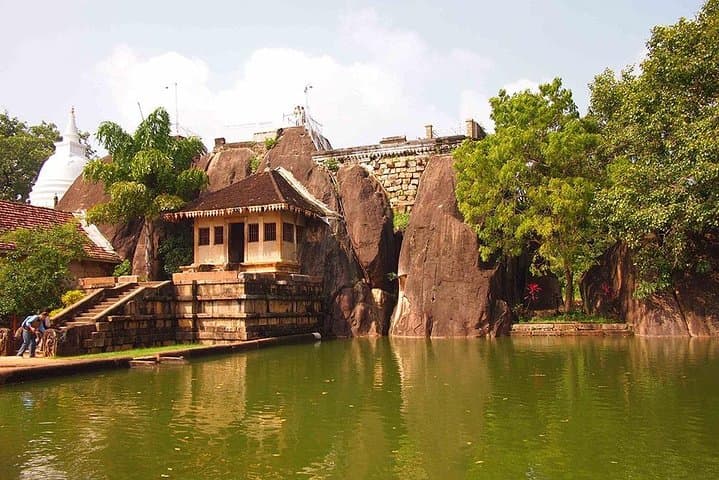
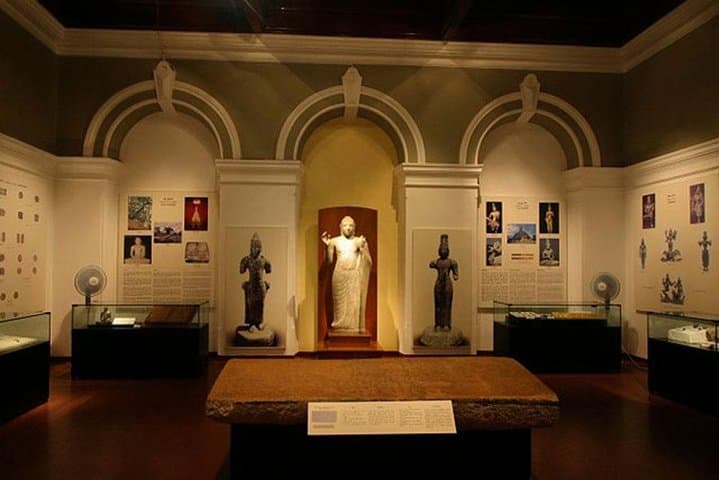
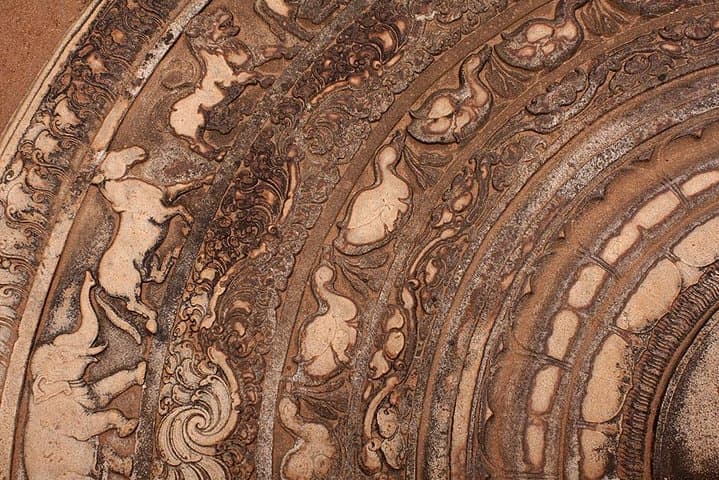
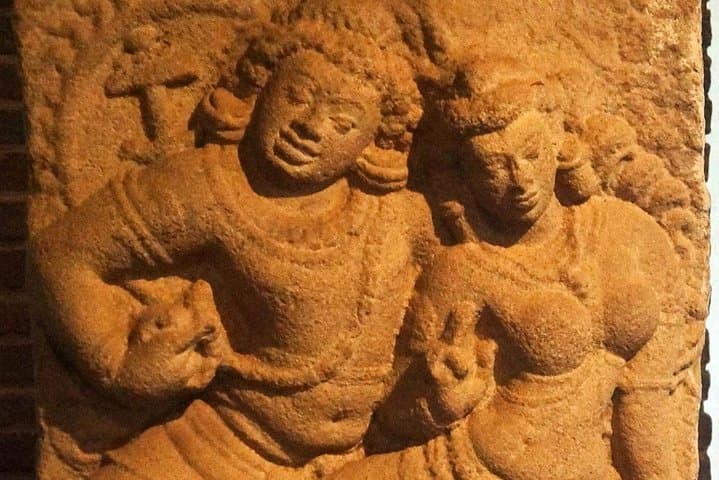
Anuradhapura was the capital of an early Sinhalese kingdom and a major Buddhist center from the 4th century BC through medieval times. Its landscape of massive brick stupas, carved stonehouses and ritual ponds reflects both sedimentary plains and human engineering that captured monsoon water for centuries. The white dagoba with its elephant frieze, the towering Jetavanarama, the lotus-fringed rock temple and nearby Mihintale — where Buddhism is said to have been introduced to Sri Lanka — give the day a layered cultural and geological narrative.
On a guided day tour from Kandy you cover the highlights efficiently: guided walks around stupas, short climbs to rock shrines and time to observe ceremonies. Expect mostly flat walking on packed earth with some uneven stone steps at temples; shade is intermittent. Practical details: tours generally run 5–15 hours depending on stops, use an air-conditioned private vehicle for the return, and archaeological site fees are handled locally. Bring sun protection, water and modest clothing for temple visits. Morning starts beat the heat and the crowds; late afternoon light reveals the dome profiles at their most dramatic. Whether you’re after photography, history or a quiet pilgrimage, the day delivers a compact, accessible immersion in one of South Asia’s oldest urban landscapes.
easy.
5–15 hours.
Suitable for most fitness levels; requires several hours on your feet and some short stone steps.
Travel time is roughly 3–4 hours each way by private vehicle; the full program ranges from about 5 to 15 hours depending on stops.
Most tours do not include archaeological site fees or temple donations—these are paid locally at each monument.
Yes—walking is moderate and the tour is marked as physically easy, but travelers should be comfortable walking on uneven ground and climbing short temple steps.
Many operators offer instant confirmation for private pickups; check cancellation terms—full refunds are often allowed with 24+ hours notice.
Anuradhapura served as Sri Lanka’s capital for over a millennium and developed extensive irrigation engineering that supported a dense agrarian society.
Conservation is overseen by Sri Lanka’s Department of Archaeology; stick to marked paths, avoid climbing fragile ruins and respect temple rules to minimize impact.
Lux Tours Lanka operates guided outdoor trips and adventures with an emphasis on safety, stewardship, and memorable experiences.
You step out of the air-conditioned van and the heat shifts around the thousand-year-old bricks — a low hum of ritual, pigeons and leaves. Sunlight picks out the curving silhouette of a dagoba while a line of pilgrims threads between the ruins; the city’s scale and quiet insist you slow down.
You step out of the air-conditioned van and the heat shifts around the thousand-year-old bricks — a low hum of ritual, pigeons and leaves. Sunlight picks out the curving silhouette of a dagoba while a line of pilgrims threads between the ruins; the city’s scale and quiet insist you slow down.
Anuradhapura was the capital of an early Sinhalese kingdom and a major Buddhist center from the 4th century BC through medieval times. Its landscape of massive brick stupas, carved stonehouses and ritual ponds reflects both sedimentary plains and human engineering that captured monsoon water for centuries. The white dagoba with its elephant frieze, the towering Jetavanarama, the lotus-fringed rock temple and nearby Mihintale — where Buddhism is said to have been introduced to Sri Lanka — give the day a layered cultural and geological narrative.
On a guided day tour from Kandy you cover the highlights efficiently: guided walks around stupas, short climbs to rock shrines and time to observe ceremonies. Expect mostly flat walking on packed earth with some uneven stone steps at temples; shade is intermittent. Practical details: tours generally run 5–15 hours depending on stops, use an air-conditioned private vehicle for the return, and archaeological site fees are handled locally. Bring sun protection, water and modest clothing for temple visits. Morning starts beat the heat and the crowds; late afternoon light reveals the dome profiles at their most dramatic. Whether you’re after photography, history or a quiet pilgrimage, the day delivers a compact, accessible immersion in one of South Asia’s oldest urban landscapes.