THE ADVENTURE COLLECTIVE® · Independent discovery and booking for outdoor travel

Renting a bike in Amsterdam unlocks canals, parks, and nearby countryside at your own pace. This guide explains what to expect on multi-day rentals, local cycling culture, and practical tips to plan safe, scenic rides.
Renting a bike in Amsterdam unlocks canals, parks, and nearby countryside at your own pace. This guide explains what to expect on multi-day rentals, local cycling culture, and practical tips to plan safe, scenic rides.
You push off from a compact rental shop, pedals clicking, canals sliding by like slow-moving mirrors daring you to keep pace. The city’s low skyline opens into an ordered grid of bridges and cobbled lanes; every corner hands you a choice — a quiet canal route, an artsy neighborhood, or a green escape toward the Amstel.
Verified experiences and guided adventures in the surrounding area.
Operated by MacBike · Amsterdam, North Holland
You push off from a compact rental shop, pedals clicking, canals sliding by like slow-moving mirrors daring you to keep pace. The city’s low skyline opens into an ordered grid of bridges and cobbled lanes; every corner hands you a choice — a quiet canal route, an artsy neighborhood, or a green escape toward the Amstel.
Amsterdam’s streets grew from reclaimed marsh and deliberate city planning in the 17th century; the concentric canals were engineered for trade and water control, and today those same canals channel daily life. Cycling here is cultural: bicycles outnumber cars and riders range from commuters in suits to tourists on rented Dutch-style bikes. Geology matters less than hydrology — the city sits on soft, peaty soil propped up on pilings — but the experience is shaped by water, wind, and centuries of human adaptation.
Practical guidance: choose a well-maintained Dutch or hybrid bike with upright position for visibility. Learn basic local rules — keep right, signal, and avoid stopping on narrow bridges. Carry a simple U-lock (rentals include two locks) and plan routes using bike lanes; the city’s numbered junction system makes navigation intuitive. Expect flat terrain but variable weather: a sudden shower can turn cobbles slick, and strong crosswinds can tug at panniers. If you want countryside, map a ride to Waterland or Amstelland for windmills and farm lanes — those routes reward steady pedaling rather than speed.
Timing matters: early morning or late afternoon gives softer light and fewer commuters. Hydrate, secure your belongings, and let the canals guide you.
easy.
3 hours–72 hours.
Suitable for basic fitness — flat city terrain; longer countryside rides require endurance for up to half a day.
Helmets are not always included—ask the shop when booking; you can usually rent or buy one on site.
Minimum age listed is 12; children’s and specialized seats are available for younger riders.
Yes — the rental includes two locks, but always secure both wheel and frame to an immovable object.
Insurance is not included; the shop recommends purchasing damage/theft coverage if you want full protection.
Amsterdam’s canal ring was constructed in the 17th century for trade and flood control; bicycles became central to daily life in the 20th century.
Cycling is a low-impact way to explore; stick to marked paths, avoid tram tracks when raining, and lock bikes properly to reduce theft and clutter.
MacBike operates guided outdoor trips and adventures with an emphasis on safety, stewardship, and memorable experiences.
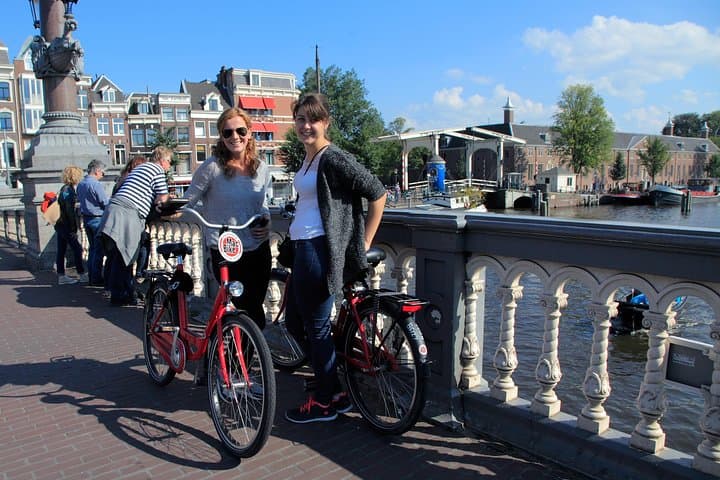
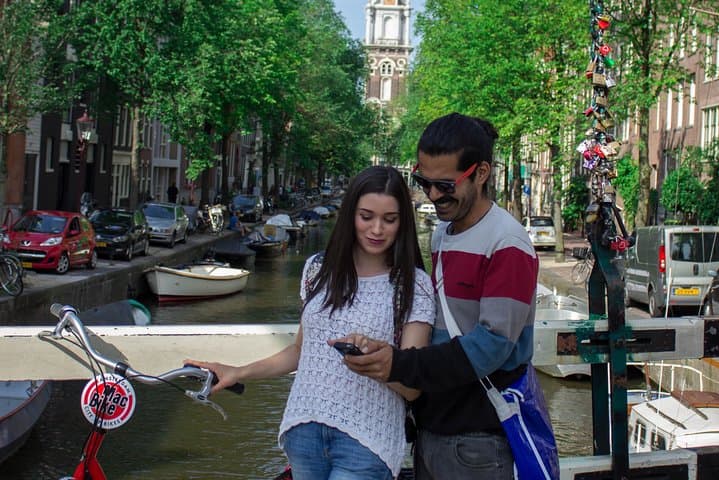
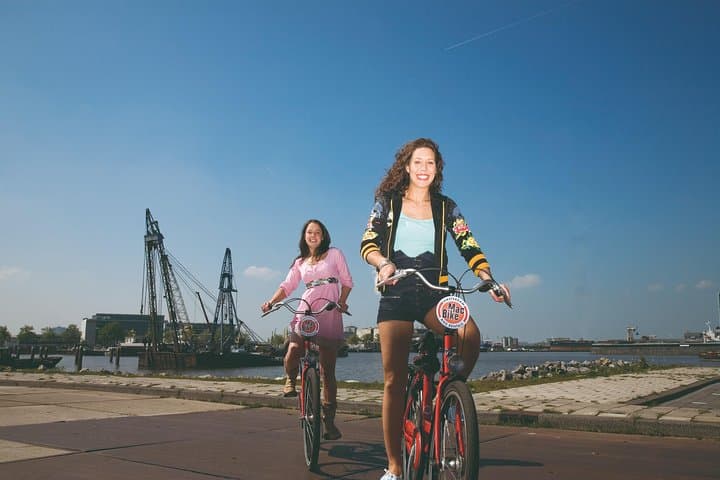
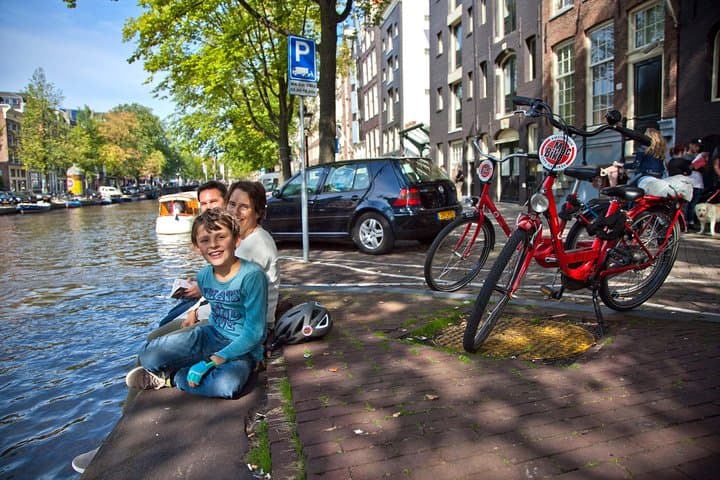
You push off from a compact rental shop, pedals clicking, canals sliding by like slow-moving mirrors daring you to keep pace. The city’s low skyline opens into an ordered grid of bridges and cobbled lanes; every corner hands you a choice — a quiet canal route, an artsy neighborhood, or a green escape toward the Amstel.
You push off from a compact rental shop, pedals clicking, canals sliding by like slow-moving mirrors daring you to keep pace. The city’s low skyline opens into an ordered grid of bridges and cobbled lanes; every corner hands you a choice — a quiet canal route, an artsy neighborhood, or a green escape toward the Amstel.
Amsterdam’s streets grew from reclaimed marsh and deliberate city planning in the 17th century; the concentric canals were engineered for trade and water control, and today those same canals channel daily life. Cycling here is cultural: bicycles outnumber cars and riders range from commuters in suits to tourists on rented Dutch-style bikes. Geology matters less than hydrology — the city sits on soft, peaty soil propped up on pilings — but the experience is shaped by water, wind, and centuries of human adaptation.
Practical guidance: choose a well-maintained Dutch or hybrid bike with upright position for visibility. Learn basic local rules — keep right, signal, and avoid stopping on narrow bridges. Carry a simple U-lock (rentals include two locks) and plan routes using bike lanes; the city’s numbered junction system makes navigation intuitive. Expect flat terrain but variable weather: a sudden shower can turn cobbles slick, and strong crosswinds can tug at panniers. If you want countryside, map a ride to Waterland or Amstelland for windmills and farm lanes — those routes reward steady pedaling rather than speed.
Timing matters: early morning or late afternoon gives softer light and fewer commuters. Hydrate, secure your belongings, and let the canals guide you.