THE ADVENTURE COLLECTIVE® · Independent discovery and booking for outdoor travel

Walk the narrow alleys of AlUla Old Town with a Rawi to hear living oral histories and inspect 900 houses, 500 shops and a 10th-century castle. This guided hour-long experience pairs geology and culture with practical advice for visiting in the desert sun.
Walk the narrow alleys of AlUla Old Town with a Rawi to hear living oral histories and inspect 900 houses, 500 shops and a 10th-century castle. This guided hour-long experience pairs geology and culture with practical advice for visiting in the desert sun.
You step into a lane where sunlight strips the red-brown mudbrick to gold and the air smells faintly of date palm and dust. Narrow alleys funnel your view to stacked houses, wooden lintels and a distant fortress silhouette; voices echo like pages in a living archive. A Rawi (traditional storyteller-guide) threads the passageways, pointing out doorways, communal squares and the layered lives that shaped this place.
Verified experiences and guided adventures in the surrounding area.
Operated by Gray Line - Kurban Tours · AlUla, Al Madinah Province
You step into a lane where sunlight strips the red-brown mudbrick to gold and the air smells faintly of date palm and dust. Narrow alleys funnel your view to stacked houses, wooden lintels and a distant fortress silhouette; voices echo like pages in a living archive. A Rawi (traditional storyteller-guide) threads the passageways, pointing out doorways, communal squares and the layered lives that shaped this place.
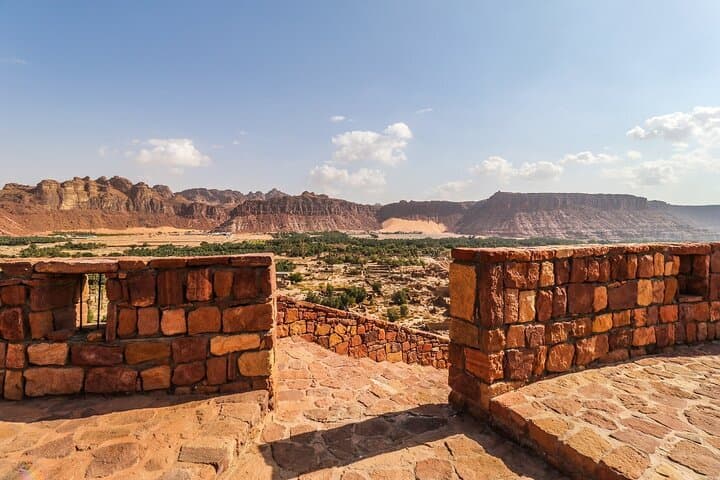
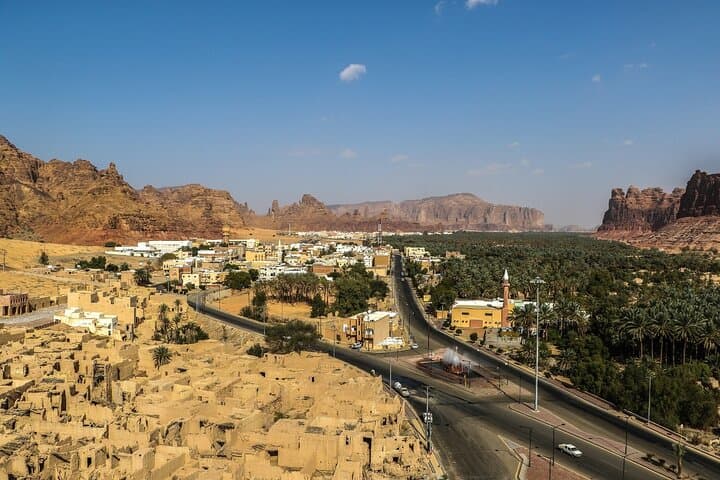
AlUla Old Town was continuously inhabited from before the 12th century until the late 20th century. Built from local stone and sun-dried mudbrick, the town sits where an oasis plain meets sandstone mesas — geology that provided both building material and defensive views. The Rawi tradition preserves oral histories of pilgrims, traders and farmers who used AlUla as a stop on trans-Arab routes; the castle above the town dates to around the 10th century and watches the valley below.
On a practical level the experience is a compact, mostly flat walking tour of roughly 1 hour over uneven stone and packed-earth surfaces. Expect tight alleys, occasional step-ups and exposed sun; the breeze funnels through the squares but shade is limited. Photography is welcome, but dress conservatively out of respect for local customs. Bring water, wear sturdy shoes and plan your visit for morning or late afternoon to avoid peak heat. The site is accessible for most fitness levels, and a Rawi adds context you’ll miss on a solo stroll — names of neighborhoods, building techniques, and small human stories that animate the ruins. Leave no trace: the fragile mudbrick and narrow lanes benefit from careful movement and minimal touch.
easy.
1 hour.
Suitable for most fitness levels; requires basic mobility for short steps and uneven ground
You can wander parts of Old Town independently, but a Rawi guide provides oral histories, authentic context and access to stories tied to specific houses and squares.
Tours typically include entrance fees; this experience notes admission is included and pick-up/drop-off at Winter Park is provided.
Much of Old Town has narrow alleys and uneven surfaces; full wheelchair access is limited—contact the operator for specific accessibility accommodations.
Driver assistance and guides are offered in English and Arabic; check booking details to confirm language needs.
AlUla Old Town grew around oasis agriculture and trade; its structures reflect centuries of incremental repairs using local stone and mudbrick, with a 10th-century castle overlooking the settlement.
The mudbrick fabric is fragile—visitors are asked not to climb walls or touch frescoes. Conservation efforts focus on stabilizing structures and managing visitor routes to minimize wear.
Gray Line - Kurban Tours operates guided outdoor trips and adventures with an emphasis on safety, stewardship, and memorable experiences.
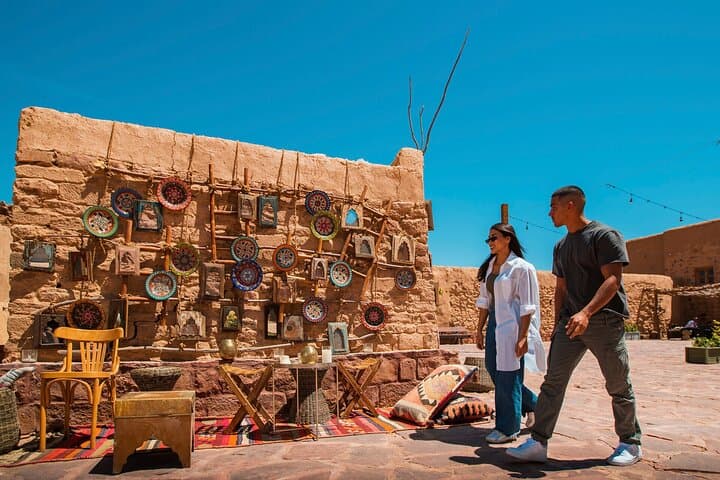
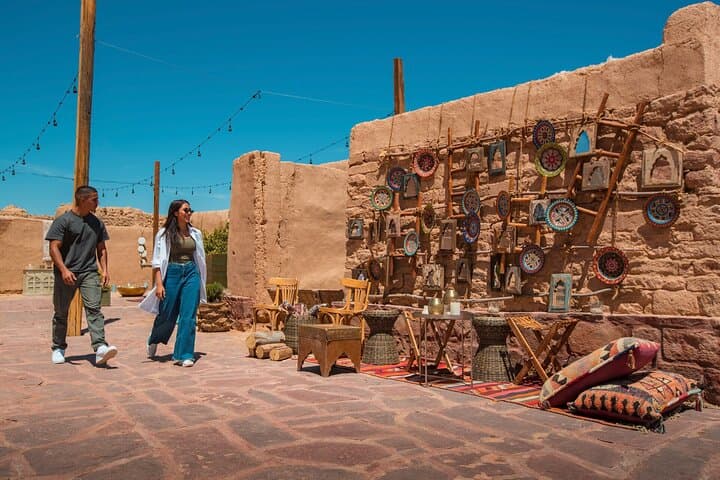
You step into a lane where sunlight strips the red-brown mudbrick to gold and the air smells faintly of date palm and dust. Narrow alleys funnel your view to stacked houses, wooden lintels and a distant fortress silhouette; voices echo like pages in a living archive. A Rawi (traditional storyteller-guide) threads the passageways, pointing out doorways, communal squares and the layered lives that shaped this place.
You step into a lane where sunlight strips the red-brown mudbrick to gold and the air smells faintly of date palm and dust. Narrow alleys funnel your view to stacked houses, wooden lintels and a distant fortress silhouette; voices echo like pages in a living archive. A Rawi (traditional storyteller-guide) threads the passageways, pointing out doorways, communal squares and the layered lives that shaped this place.
AlUla Old Town was continuously inhabited from before the 12th century until the late 20th century. Built from local stone and sun-dried mudbrick, the town sits where an oasis plain meets sandstone mesas — geology that provided both building material and defensive views. The Rawi tradition preserves oral histories of pilgrims, traders and farmers who used AlUla as a stop on trans-Arab routes; the castle above the town dates to around the 10th century and watches the valley below.
On a practical level the experience is a compact, mostly flat walking tour of roughly 1 hour over uneven stone and packed-earth surfaces. Expect tight alleys, occasional step-ups and exposed sun; the breeze funnels through the squares but shade is limited. Photography is welcome, but dress conservatively out of respect for local customs. Bring water, wear sturdy shoes and plan your visit for morning or late afternoon to avoid peak heat. The site is accessible for most fitness levels, and a Rawi adds context you’ll miss on a solo stroll — names of neighborhoods, building techniques, and small human stories that animate the ruins. Leave no trace: the fragile mudbrick and narrow lanes benefit from careful movement and minimal touch.