THE ADVENTURE COLLECTIVE® · Independent discovery and booking for outdoor travel

Walk a living maze of mudbrick houses and market squares led by a Rawi storyteller. This 60-minute heritage tour in AlUla introduces visitors to centuries of daily life, pilgrimage routes and an outlook to the 10th-century castle.
Walk a living maze of mudbrick houses and market squares led by a Rawi storyteller. This 60-minute heritage tour in AlUla introduces visitors to centuries of daily life, pilgrimage routes and an outlook to the 10th-century castle.
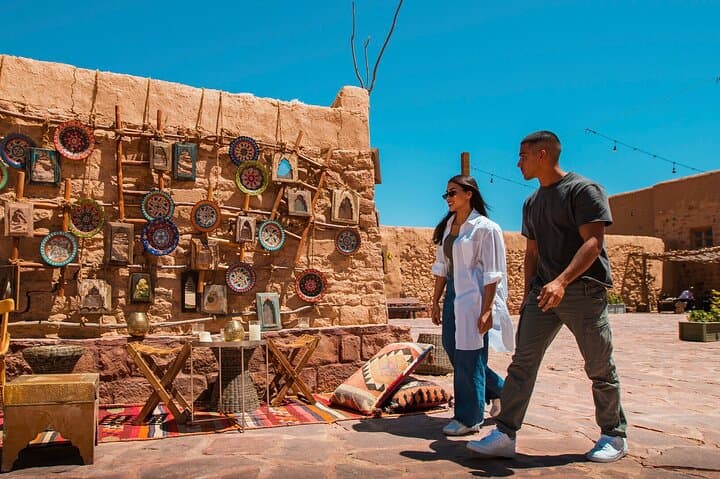
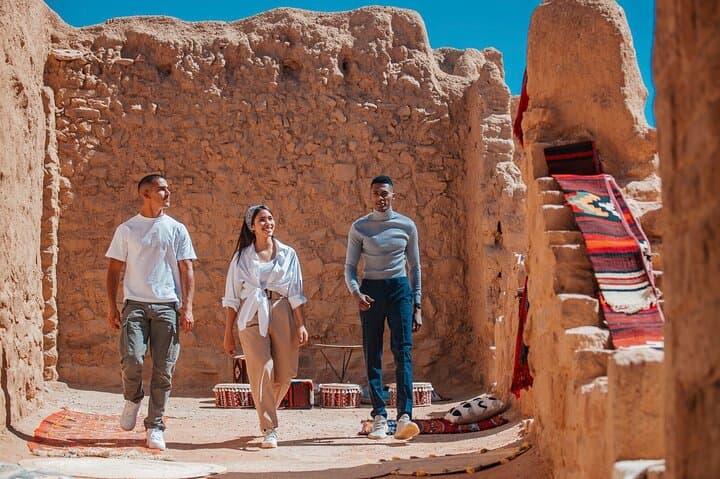
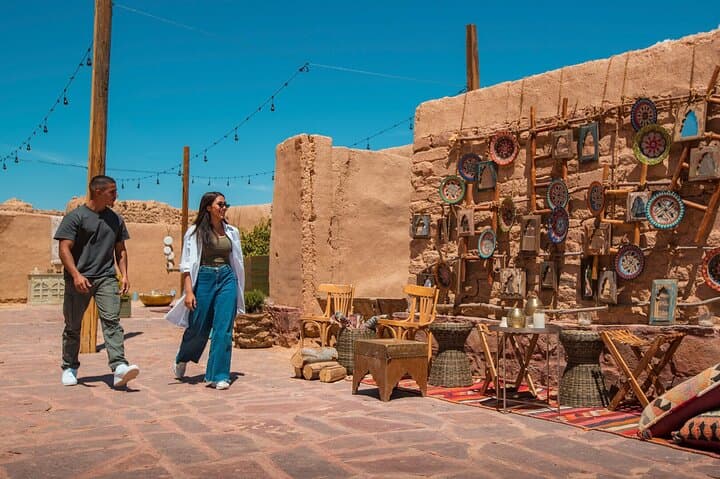
You step off the shuttle into a pocket of cool shadow: narrow alleys hemmed by stone and mudbrick, doors worn smooth where hands have passed for centuries. A Rawi — a local storyteller-guide — lifts a palm and the walls seem to lean in, ready to tell of pilgrims, traders and families who moved through this place from before the 12th century until the 1980s.
Verified experiences and guided adventures in the surrounding area.
Operated by Desert Point Tourism LLC · AlUla, Al Madinah Region
You step off the shuttle into a pocket of cool shadow: narrow alleys hemmed by stone and mudbrick, doors worn smooth where hands have passed for centuries. A Rawi — a local storyteller-guide — lifts a palm and the walls seem to lean in, ready to tell of pilgrims, traders and families who moved through this place from before the 12th century until the 1980s.
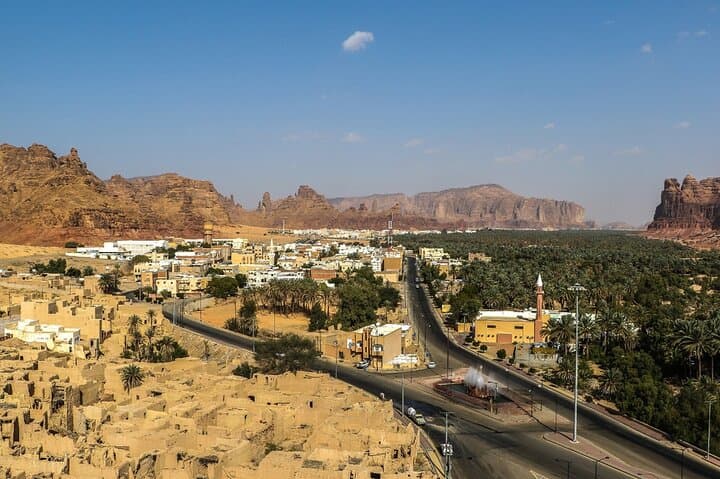
AlUla Old Town occupies a sheltered basin on an oasis margin carved from sandstone and alluvial plain. The fortress-like castle overlooking the town dates to around the 10th century; behind its silhouette lie 900 houses, 500 former shops and five town squares that map patterns of domestic life and pilgrimage. Geology here is obvious and direct: eroded cliffs and salt-etched stone frame the town, while wind and water shaped the routes that once connected caravans to the Hijaz.
Culture is lived — call to prayer textures the air, oral histories are the route map, and the Rawi translates layered meanings in doorways, courtyards and mosque thresholds.
Practical guide: the standard tour runs about 60 minutes with hotel transfers from AlUla city available. Paths are uneven; expect short climbs and tight alleys. Bring water, sun protection, and modest clothing out of respect for local norms. Photography is welcome but ask before photographing people. Morning and late afternoon tours are best for cooler temperatures and softer light. Stay on established walkways to protect fragile mudbrick fabric and follow your guide’s instructions; these structures are living heritage, not props.
easy.
60 minutes.
Basic mobility required — able to walk on uneven surfaces and climb short flights of steps.
The guided experience lasts approximately 60 minutes, with about 45 minutes spent walking through Old Town and time for transfers.
Entrance fees and round-trip hotel transfers from AlUla city hotels are included as part of this tour.
Yes; the tour is rated easy but involves uneven surfaces and some steps—children and those with limited mobility should take care.
For a full refund cancel at least 24 hours before departure; cancellations within 24 hours are not refundable.
AlUla Old Town was occupied from before the 12th century until the early 1980s and sits beneath a 10th-century castle that once watched caravan routes.
Mudbrick buildings are fragile; visitors should stay on paths and avoid touching historic walls. Local programs aim to stabilize structures while keeping community memory alive.
Desert Point Tourism LLC operates guided outdoor trips and adventures with an emphasis on safety, stewardship, and memorable experiences.
You step off the shuttle into a pocket of cool shadow: narrow alleys hemmed by stone and mudbrick, doors worn smooth where hands have passed for centuries. A Rawi — a local storyteller-guide — lifts a palm and the walls seem to lean in, ready to tell of pilgrims, traders and families who moved through this place from before the 12th century until the 1980s.
You step off the shuttle into a pocket of cool shadow: narrow alleys hemmed by stone and mudbrick, doors worn smooth where hands have passed for centuries. A Rawi — a local storyteller-guide — lifts a palm and the walls seem to lean in, ready to tell of pilgrims, traders and families who moved through this place from before the 12th century until the 1980s.
AlUla Old Town occupies a sheltered basin on an oasis margin carved from sandstone and alluvial plain. The fortress-like castle overlooking the town dates to around the 10th century; behind its silhouette lie 900 houses, 500 former shops and five town squares that map patterns of domestic life and pilgrimage. Geology here is obvious and direct: eroded cliffs and salt-etched stone frame the town, while wind and water shaped the routes that once connected caravans to the Hijaz.
Culture is lived — call to prayer textures the air, oral histories are the route map, and the Rawi translates layered meanings in doorways, courtyards and mosque thresholds.
Practical guide: the standard tour runs about 60 minutes with hotel transfers from AlUla city available. Paths are uneven; expect short climbs and tight alleys. Bring water, sun protection, and modest clothing out of respect for local norms. Photography is welcome but ask before photographing people. Morning and late afternoon tours are best for cooler temperatures and softer light. Stay on established walkways to protect fragile mudbrick fabric and follow your guide’s instructions; these structures are living heritage, not props.