THE ADVENTURE COLLECTIVE® · Independent discovery and booking for outdoor travel

Walk re-created desert habitats, watch a free-flying bird show, and hear Arrernte cultural stories at Alice Springs Desert Park. Plan 3–8 hours, bring sun protection and check the daily program to catch live presentations.
Walk re-created desert habitats, watch a free-flying bird show, and hear Arrernte cultural stories at Alice Springs Desert Park. Plan 3–8 hours, bring sun protection and check the daily program to catch live presentations.
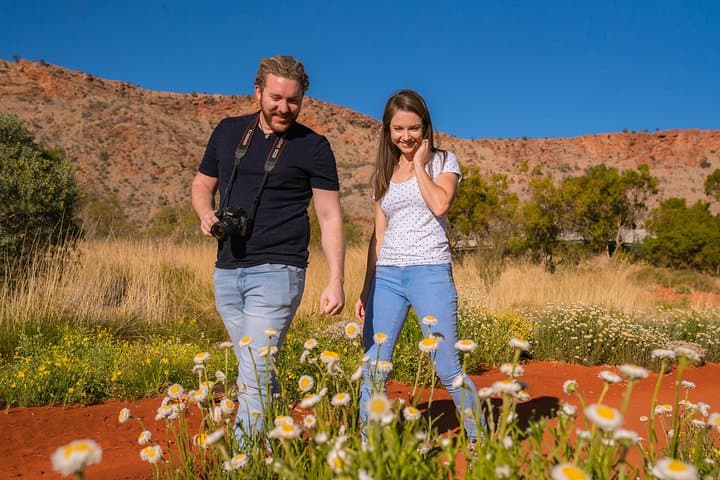
A dry wind threads through saltbush as you step from the car park into a place that teaches the desert to speak. Paths curve past scrub and red earth, and the air hums with insect calls and the staccato cry of parrots — the park sets a concise stage for Central Australia’s living landscapes.
Verified experiences and guided adventures in the surrounding area.
Operated by Alice Springs Desert Park · Alice Springs, Northern Territory
A dry wind threads through saltbush as you step from the car park into a place that teaches the desert to speak. Paths curve past scrub and red earth, and the air hums with insect calls and the staccato cry of parrots — the park sets a concise stage for Central Australia’s living landscapes.
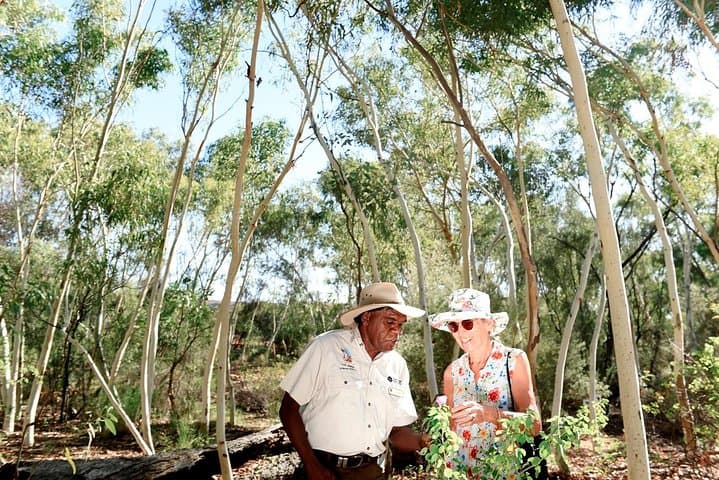
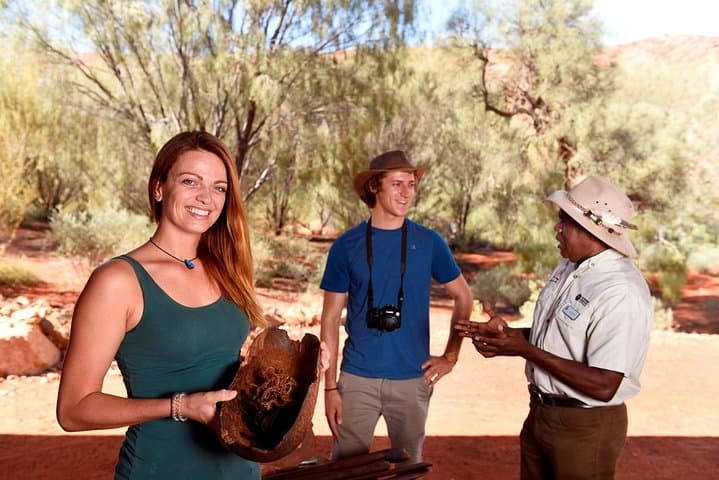
Opened in 1997, Alice Springs Desert Park was designed as both exhibition and conservation reserve, recreating three major desert habitats so visitors can compare spinifex plains, sand country and woodland in a few short walks. The geology is plain and honest: ancient sand, iron-rich soils and eroded ranges form the backdrop for plants adapted to heat and scarcity. Cultural interpretation is integral — many presentations are led by Arrernte guides who connect species and survival strategies to Indigenous knowledge and land management.
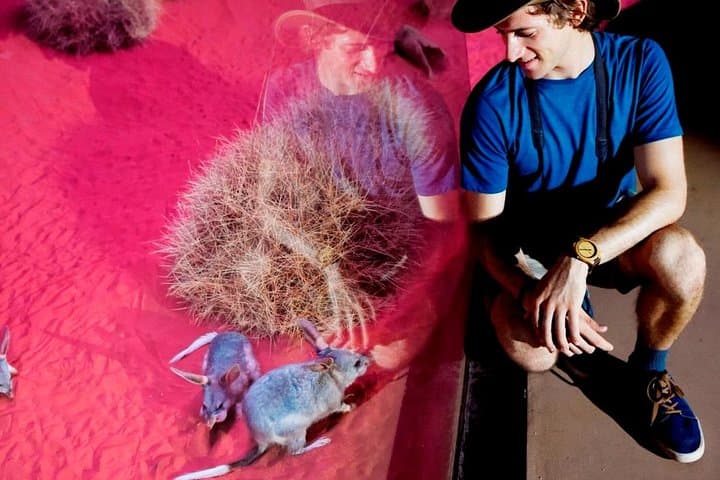
You’ll encounter interpretive displays, botanical displays, a free-flying bird show and a nocturnal house housing endangered species. Trails are compact and mostly flat, making the experience accessible but quietly demanding in sun exposure and heat. Allow 3–8 hours depending on shows and animal encounters; mornings and late afternoons are best for wildlife activity.
Practicalities: bring sun protection, at least 2 liters of water, and sturdy shoes for gravel paths. Check the daily program on arrival to time the bird show and nocturnal house visits. The park provides maps, hire scooters, a café and picnic areas; service animals are allowed and the site is wheelchair accessible. Conservation-minded visitors should stick to paths, pack out rubbish and respect interpretive signage to protect fragile habitats.
easy.
3–8 hours.
Suitable for most fitness levels; requires mobility to walk on compact gravel paths for several hours if exploring fully.
Most visitors spend 3–4 hours to see the main exhibits and bird show; allow up to 8 hours to attend multiple presentations and visit the nocturnal house.
Yes — pathways, many exhibits and facilities are wheelchair accessible; electric scooters are available for hire onsite.
Entry is self-guided; the park offers daily interpretive presentations and some Aboriginal-led talks, but private guided tours are not included with the general ticket.
Yes — there is a café and picnic/BBQ areas; bringing your own sealed water and snacks is also fine but please follow conservation rules and dispose of waste properly.
The park was established to interpret Central Australia’s ecosystems and Aboriginal connections to country, combining conservation with cultural education since the late 20th century.
Alice Springs Desert Park runs captive-breeding, habitat restoration and education programs; visitors help by staying on trails, not feeding wildlife and using designated bins.
Alice Springs Desert Park operates guided outdoor trips and adventures with an emphasis on safety, stewardship, and memorable experiences.
A dry wind threads through saltbush as you step from the car park into a place that teaches the desert to speak. Paths curve past scrub and red earth, and the air hums with insect calls and the staccato cry of parrots — the park sets a concise stage for Central Australia’s living landscapes.
A dry wind threads through saltbush as you step from the car park into a place that teaches the desert to speak. Paths curve past scrub and red earth, and the air hums with insect calls and the staccato cry of parrots — the park sets a concise stage for Central Australia’s living landscapes.
Opened in 1997, Alice Springs Desert Park was designed as both exhibition and conservation reserve, recreating three major desert habitats so visitors can compare spinifex plains, sand country and woodland in a few short walks. The geology is plain and honest: ancient sand, iron-rich soils and eroded ranges form the backdrop for plants adapted to heat and scarcity. Cultural interpretation is integral — many presentations are led by Arrernte guides who connect species and survival strategies to Indigenous knowledge and land management.
You’ll encounter interpretive displays, botanical displays, a free-flying bird show and a nocturnal house housing endangered species. Trails are compact and mostly flat, making the experience accessible but quietly demanding in sun exposure and heat. Allow 3–8 hours depending on shows and animal encounters; mornings and late afternoons are best for wildlife activity.
Practicalities: bring sun protection, at least 2 liters of water, and sturdy shoes for gravel paths. Check the daily program on arrival to time the bird show and nocturnal house visits. The park provides maps, hire scooters, a café and picnic areas; service animals are allowed and the site is wheelchair accessible. Conservation-minded visitors should stick to paths, pack out rubbish and respect interpretive signage to protect fragile habitats.