THE ADVENTURE COLLECTIVE® · Independent discovery and booking for outdoor travel

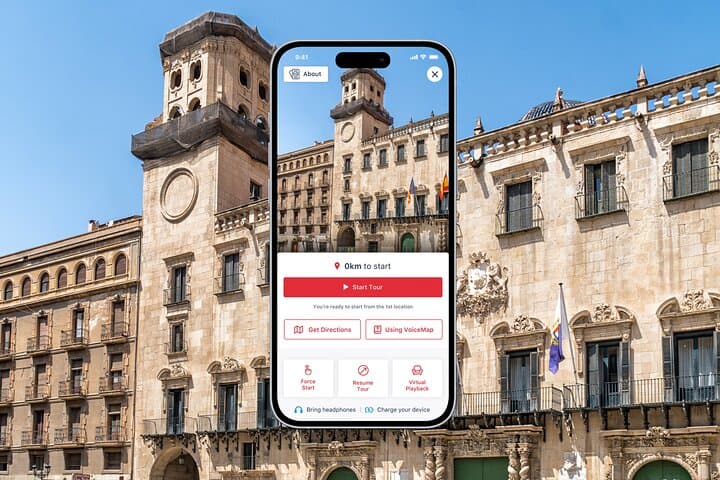
Walk Alicante at your own pace with a GPS audio guide that connects the city's key sites: El Adivinador, Explanada de España, the Central Market, and Santa Bárbara Castle. Expect 2–3 hours of paved walking, rich local color, and panoramic harbor views.
Walk Alicante at your own pace with a GPS audio guide that connects the city's key sites: El Adivinador, Explanada de España, the Central Market, and Santa Bárbara Castle. Expect 2–3 hours of paved walking, rich local color, and panoramic harbor views.
A morning in Alicante opens with salt in the air and the bronze silhouette of El Adivinador pointing toward the sea — a compact city where a short walk stitches together ancient walls, market cries, and beachside breeze.
Verified experiences and guided adventures in the surrounding area.
Operated by VoiceMap Audio Tours · Alicante, Valencian Community
A morning in Alicante opens with salt in the air and the bronze silhouette of El Adivinador pointing toward the sea — a compact city where a short walk stitches together ancient walls, market cries, and beachside breeze.
The route follows the fan-shaped Explanada de España, planted with palms and a tiled promenade that has watched centuries of trade and procession. To the north, the city climbs the Benacantil headland, a resistant rock that has sheltered Lucentum, Roman settlement turned medieval port; the ridge still hosts Santa Bárbara Castle, a defensive marker through Napoleonic raids and Civil War bombardments. On street level, Baroque facades, Casa Carbonell's proud profile, and the Basilica of Santa María speak to Alicante’s layered civic life.
Culture here is tactile: the Central Market's fishmongers compare today’s catch beside stalls selling turrón, while the Bonfire Museum charts the flamboyant Hogueras festival that ignites the city each June.
Practical guidance: this self-guided GPS tour runs about 2–3 hours over paved surfaces and short stair sections; start at El Adivinador to follow the mapped narrative. Visit the Central Market in the morning for peak activity, and aim for late afternoon light on the castle steps for views over the Mediterranean. Wear supportive shoes, carry water, and download offline maps — pockets of narrow lanes can confuse GPS signal. Public transport and taxis are readily available from the port and train station, making the route easy to adapt to your pace. Respect market sellers, keep to marked streets at night, and plan one detour to the Castillo for the best panorama.
easy.
2–3 hours.
Suitable for most fitness levels; requires standing and walking on paved and cobbled surfaces for a few hours.
No — the self-guided tour is flexible; start when the included directions indicate and follow the GPS route at your own pace.
Much of the central promenade and market are paved and accessible, but expect cobbles and short steps near historic squares and viewpoints—check specific segments beforehand.
This listing includes English audio and maps; confirm available languages in the app if you need another language.
Yes — the tour provides offline audio, maps, and geodata so you can use it without constant internet access.
Alicante grew from the Roman settlement of Lucentum and has been shaped by maritime trade, a destructive 1691 French attack, and the 20th‑century Civil War—its festivals like Hogueras recall those resilient civic traditions.
Support local vendors and reduce single-use plastics; the historic center benefits from measured visitor numbers and respectful behavior to preserve streetscapes and markets.
VoiceMap Audio Tours operates guided outdoor trips and adventures with an emphasis on safety, stewardship, and memorable experiences.
A morning in Alicante opens with salt in the air and the bronze silhouette of El Adivinador pointing toward the sea — a compact city where a short walk stitches together ancient walls, market cries, and beachside breeze.
A morning in Alicante opens with salt in the air and the bronze silhouette of El Adivinador pointing toward the sea — a compact city where a short walk stitches together ancient walls, market cries, and beachside breeze.
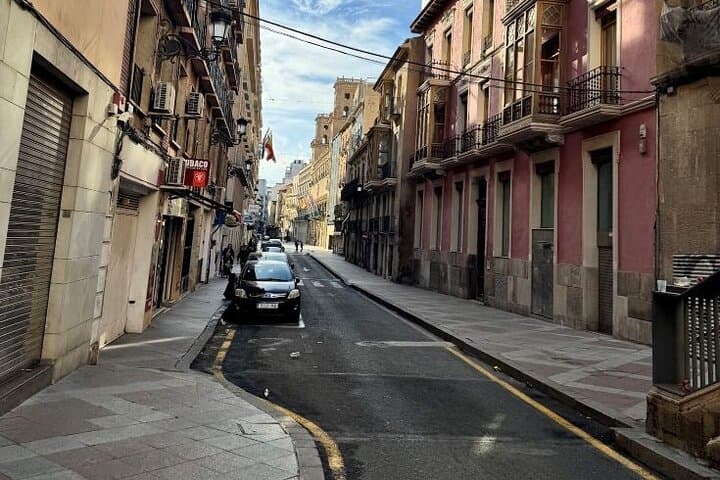
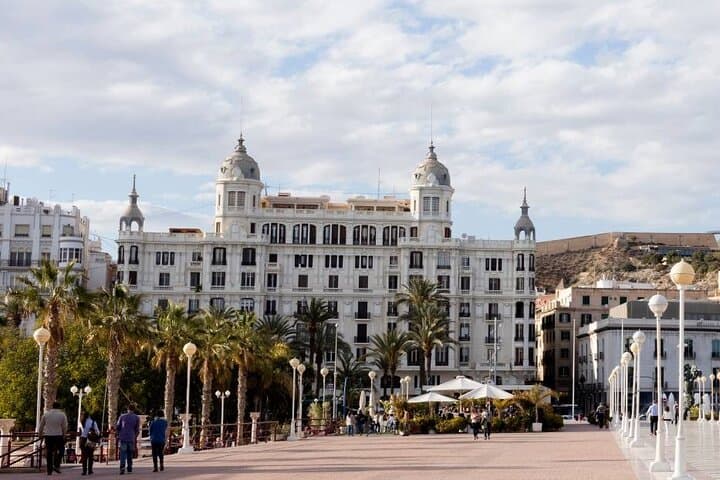
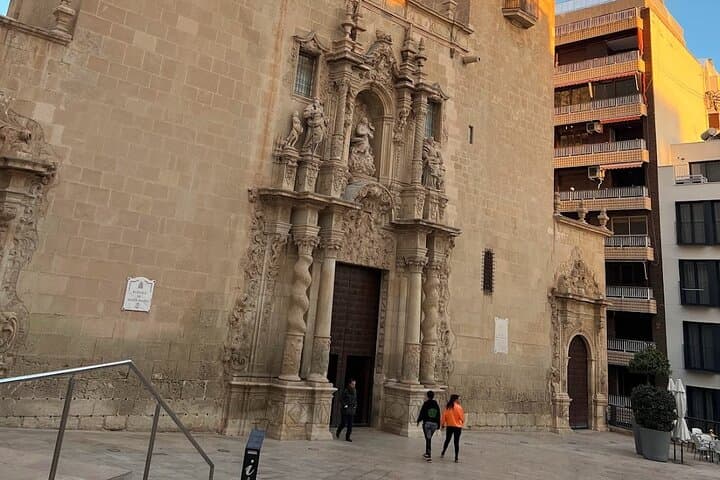
The route follows the fan-shaped Explanada de España, planted with palms and a tiled promenade that has watched centuries of trade and procession. To the north, the city climbs the Benacantil headland, a resistant rock that has sheltered Lucentum, Roman settlement turned medieval port; the ridge still hosts Santa Bárbara Castle, a defensive marker through Napoleonic raids and Civil War bombardments. On street level, Baroque facades, Casa Carbonell's proud profile, and the Basilica of Santa María speak to Alicante’s layered civic life.
Culture here is tactile: the Central Market's fishmongers compare today’s catch beside stalls selling turrón, while the Bonfire Museum charts the flamboyant Hogueras festival that ignites the city each June.
Practical guidance: this self-guided GPS tour runs about 2–3 hours over paved surfaces and short stair sections; start at El Adivinador to follow the mapped narrative. Visit the Central Market in the morning for peak activity, and aim for late afternoon light on the castle steps for views over the Mediterranean. Wear supportive shoes, carry water, and download offline maps — pockets of narrow lanes can confuse GPS signal. Public transport and taxis are readily available from the port and train station, making the route easy to adapt to your pace. Respect market sellers, keep to marked streets at night, and plan one detour to the Castillo for the best panorama.