THE ADVENTURE COLLECTIVE® · Independent discovery and booking for outdoor travel

Descend 130 stairs into Aldwych, a preserved Edwardian tube station that served as a WWII shelter and a film location. This guided 75–80 minute tour reveals original lifts, abandoned platforms and first-hand wartime testimony—expect low lighting, stairs and a rare urban-heritage experience.
Descend 130 stairs into Aldwych, a preserved Edwardian tube station that served as a WWII shelter and a film location. This guided 75–80 minute tour reveals original lifts, abandoned platforms and first-hand wartime testimony—expect low lighting, stairs and a rare urban-heritage experience.
You descend into a stone throat of the city—130 steps folding away from streetlight into a vault of tile and shadow. Guides move like cartographers of memory, their torches picking out gilt signage, original Edwardian tiling and the long, quiet curve of a platform that hasn’t seen a passenger train in decades. The air smells faintly of dust, oil and history; sound travels differently here, carrying the clipped cadence of stories about shelter, film shoots and wartime decisions.
Verified experiences and guided adventures in the surrounding area.
Operated by London Transport Museum · London, England
You descend into a stone throat of the city—130 steps folding away from streetlight into a vault of tile and shadow. Guides move like cartographers of memory, their torches picking out gilt signage, original Edwardian tiling and the long, quiet curve of a platform that hasn’t seen a passenger train in decades. The air smells faintly of dust, oil and history; sound travels differently here, carrying the clipped cadence of stories about shelter, film shoots and wartime decisions.
Opened in 1907 and closed to passengers in 1994, Aldwych Station served as a terminus on the Piccadilly line and later as an improvised refuge and valuables store during the Blitz. The station’s brick-lined tunnels and interconnecting walkways reveal early 20th-century engineering—shallow cut-and-cover construction, lift shafts and tiled ticket halls—and today they double as a location for film crews when not hosting curated tours. Expect oral histories from shelterers, original fittings like the lifts and a walk through platforms and rarely seen passageways.
Practically: the tour is 75–80 minutes, low-lit and involves many stairs—no lift or cloakroom. Bring photo ID, wear closed-toe shoes and be prepared for uneven surfaces and low ceilings in spots. Tours are limited in size; book ahead, arrive by public transport and travel light. If you’re comfortable on staircases and curious about urban archaeology, Aldwych offers a close, contained encounter with London’s layered past.
moderate.
75–80 minutes.
Moderate fitness: able to manage multiple flights of stairs and standing for the tour duration
No; the site has about 130 stairs and no elevator, so it’s not step-free and is unsuitable for those requiring wheelchair access.
Photography is generally allowed but follow guide instructions—no flash during certain exhibits and be mindful of other visitors and conservation rules.
Children under 10 are not permitted; a maximum of four children aged 10–15 are allowed per adult, and all children must meet the fitness and safety requirements.
Full refunds are available if you cancel at least 24 hours before the scheduled time; late cancellations are not refundable.
Aldwych opened in 1907 as a Piccadilly line terminus, was used as an air-raid shelter and wartime storage during the Blitz, and closed to passengers in 1994 before becoming a controlled-access heritage and filming location.
Limited, guided access reduces wear on fragile interiors; visitors are asked not to touch fittings, to avoid food in tunnels and to follow guide instructions to protect the station fabric.
London Transport Museum operates guided outdoor trips and adventures with an emphasis on safety, stewardship, and memorable experiences.
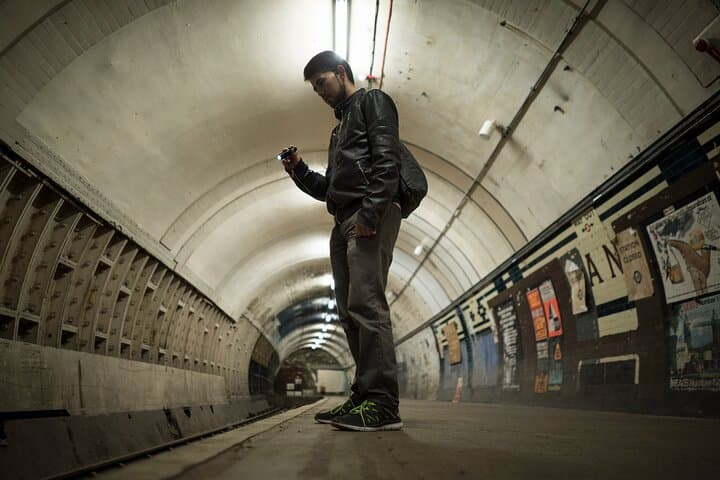
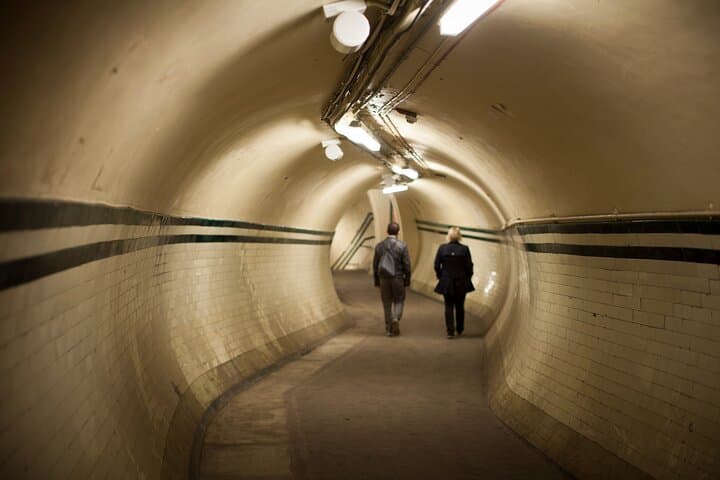
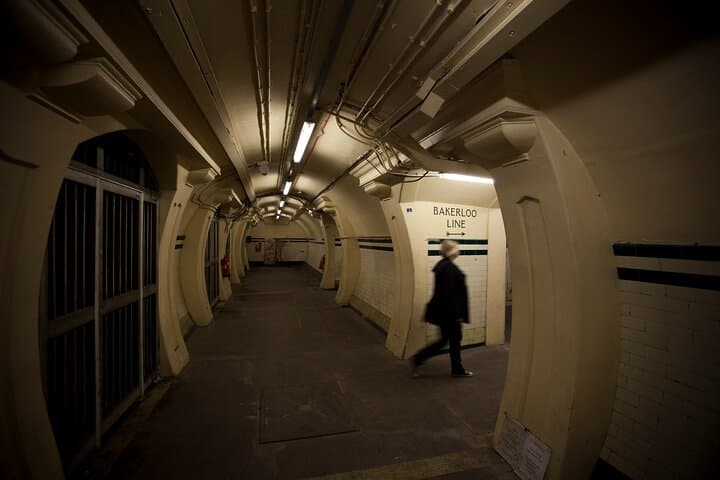
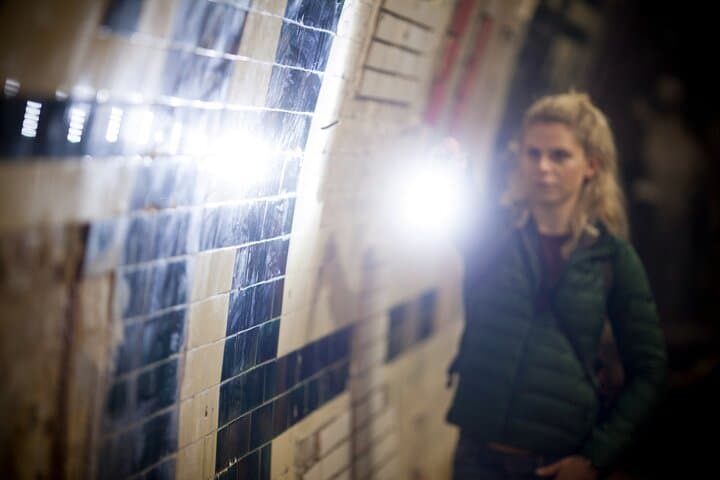
You descend into a stone throat of the city—130 steps folding away from streetlight into a vault of tile and shadow. Guides move like cartographers of memory, their torches picking out gilt signage, original Edwardian tiling and the long, quiet curve of a platform that hasn’t seen a passenger train in decades. The air smells faintly of dust, oil and history; sound travels differently here, carrying the clipped cadence of stories about shelter, film shoots and wartime decisions.
You descend into a stone throat of the city—130 steps folding away from streetlight into a vault of tile and shadow. Guides move like cartographers of memory, their torches picking out gilt signage, original Edwardian tiling and the long, quiet curve of a platform that hasn’t seen a passenger train in decades. The air smells faintly of dust, oil and history; sound travels differently here, carrying the clipped cadence of stories about shelter, film shoots and wartime decisions.
Opened in 1907 and closed to passengers in 1994, Aldwych Station served as a terminus on the Piccadilly line and later as an improvised refuge and valuables store during the Blitz. The station’s brick-lined tunnels and interconnecting walkways reveal early 20th-century engineering—shallow cut-and-cover construction, lift shafts and tiled ticket halls—and today they double as a location for film crews when not hosting curated tours. Expect oral histories from shelterers, original fittings like the lifts and a walk through platforms and rarely seen passageways.
Practically: the tour is 75–80 minutes, low-lit and involves many stairs—no lift or cloakroom. Bring photo ID, wear closed-toe shoes and be prepared for uneven surfaces and low ceilings in spots. Tours are limited in size; book ahead, arrive by public transport and travel light. If you’re comfortable on staircases and curious about urban archaeology, Aldwych offers a close, contained encounter with London’s layered past.