THE ADVENTURE COLLECTIVE® · Independent discovery and booking for outdoor travel

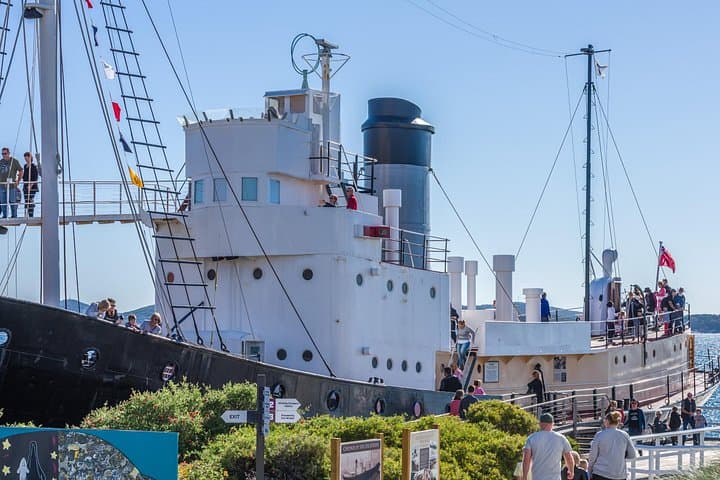
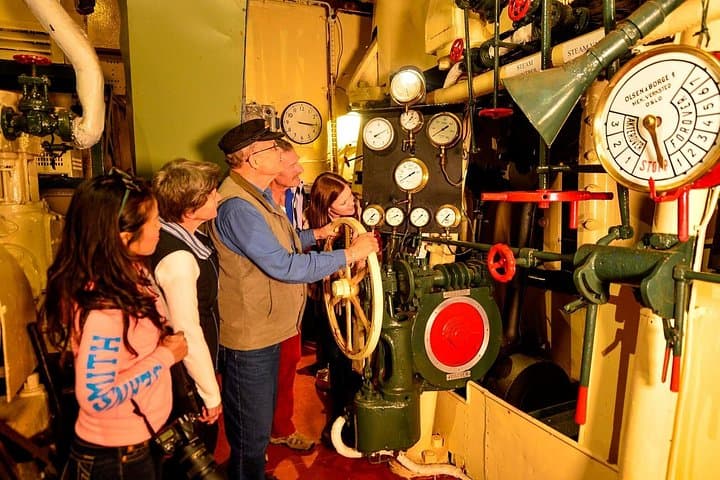
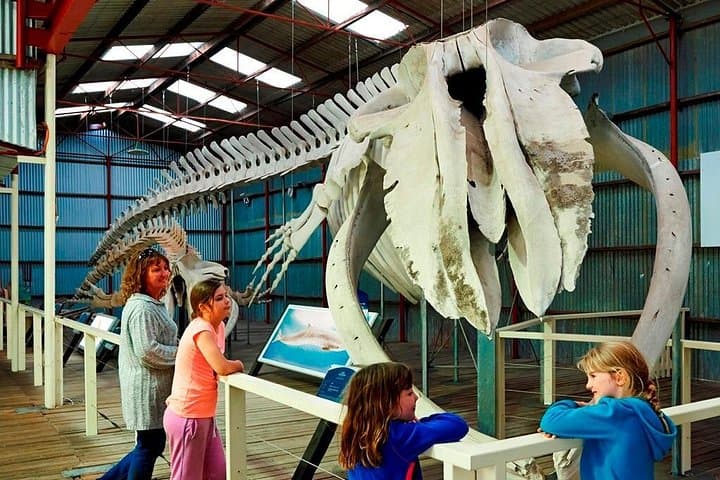
Walk aboard the Cheynes IV, view a giant blue whale skeleton and wander native wildflower gardens at Albany's Historic Whaling Station. This 2–3 hour visit mixes maritime history, wildlife displays and coastal scenery.
Walk aboard the Cheynes IV, view a giant blue whale skeleton and wander native wildflower gardens at Albany's Historic Whaling Station. This 2–3 hour visit mixes maritime history, wildlife displays and coastal scenery.
You step onto a weathered plinth above a silver bay, salt air pulling at your jacket as gulls argue over the morning catch. The converted oil tanks hum with short films; the Cheynes IV sits quiet and proud, its hull carrying the memory of crews who once chased whales along these southern seas.
Verified experiences and guided adventures in the surrounding area.
Operated by Albany's Historic Whaling Station · Albany, Western Australia
You step onto a weathered plinth above a silver bay, salt air pulling at your jacket as gulls argue over the morning catch. The converted oil tanks hum with short films; the Cheynes IV sits quiet and proud, its hull carrying the memory of crews who once chased whales along these southern seas.
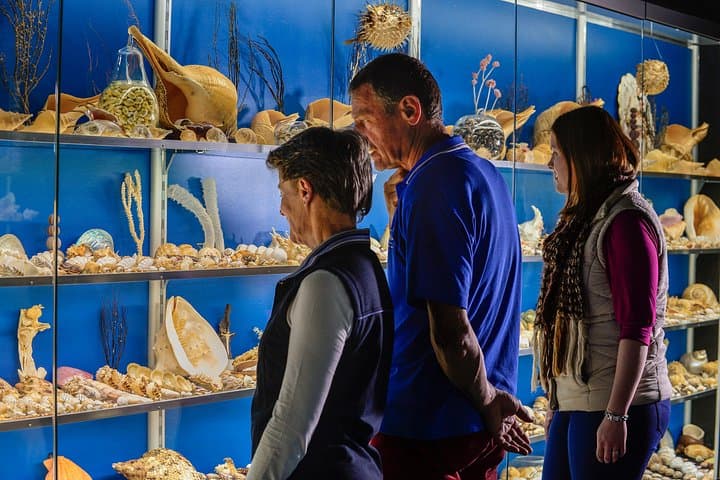
Albany's Historic Whaling Station preserves a literal cross-section of regional history: an industry that shaped local livelihoods and coastal settlement. Geologically, the bay is carved from ancient granite and sculpted by Southern Ocean swells; the rocky shore lines funnel migrating whales into view during winter and spring. Cultural displays focus on scrimshaw, maritime art and the transition from hunting to conservation, while the on-site Australian Wildlife Park and Regional Wildflower Garden highlight native species and floristic diversity unique to Western Australia's Great Southern.
Practical guidance: allow 2–3 hours to see films, climb aboard the Cheynes IV, study the giant blue whale skeleton and walk the gardens. The site is wheelchair-accessible but expect uneven decking near outdoor exhibits. Dress in layers—coastal weather changes quickly—and bring sun protection and a water bottle. The property operates in all weather; check opening times and book a mobile ticket in advance to guarantee entry. Free BBQ facilities make this a good half-day outing for families.
Whether you arrive for natural history, maritime technology or seasonal whale watching, the station offers a clear-eyed look at how people and place shaped each other on Australia's southern edge.
easy.
2–3 hours.
Light walking on mostly level paths; moderate fitness recommended for climbing aboard the Cheynes IV and exploring outdoor areas.
Plan 2–3 hours to view films, exhibitions, board the Cheynes IV and stroll the wildflower garden; you can extend to a half day if using the BBQ or visiting the wildlife park.
Yes—the museum and many exhibits are wheelchair-accessible, though some outdoor decking and vessel access may be uneven; contact the site for specific accessibility needs.
Whale migration and viewing are most reliable from late autumn through spring (approximately May–October), though sightings are never guaranteed.
For a full refund cancel at least 24 hours before your scheduled visit; tickets are mobile-friendly and GST is included in the price.
Albany's whaling station records the region's 19th–20th century industry, preserving artifacts, scrimshaw and the Cheynes IV—the only preserved Whalechaser vessel of its kind.
The attraction frames whaling history alongside modern marine conservation; visitors are asked to follow viewing guidelines to minimize disturbance to wildlife and protect native flora.
Albany's Historic Whaling Station operates guided outdoor trips and adventures with an emphasis on safety, stewardship, and memorable experiences.
You step onto a weathered plinth above a silver bay, salt air pulling at your jacket as gulls argue over the morning catch. The converted oil tanks hum with short films; the Cheynes IV sits quiet and proud, its hull carrying the memory of crews who once chased whales along these southern seas.
You step onto a weathered plinth above a silver bay, salt air pulling at your jacket as gulls argue over the morning catch. The converted oil tanks hum with short films; the Cheynes IV sits quiet and proud, its hull carrying the memory of crews who once chased whales along these southern seas.
Albany's Historic Whaling Station preserves a literal cross-section of regional history: an industry that shaped local livelihoods and coastal settlement. Geologically, the bay is carved from ancient granite and sculpted by Southern Ocean swells; the rocky shore lines funnel migrating whales into view during winter and spring. Cultural displays focus on scrimshaw, maritime art and the transition from hunting to conservation, while the on-site Australian Wildlife Park and Regional Wildflower Garden highlight native species and floristic diversity unique to Western Australia's Great Southern.
Practical guidance: allow 2–3 hours to see films, climb aboard the Cheynes IV, study the giant blue whale skeleton and walk the gardens. The site is wheelchair-accessible but expect uneven decking near outdoor exhibits. Dress in layers—coastal weather changes quickly—and bring sun protection and a water bottle. The property operates in all weather; check opening times and book a mobile ticket in advance to guarantee entry. Free BBQ facilities make this a good half-day outing for families.
Whether you arrive for natural history, maritime technology or seasonal whale watching, the station offers a clear-eyed look at how people and place shaped each other on Australia's southern edge.