THE ADVENTURE COLLECTIVE® · Independent discovery and booking for outdoor travel

Step into Al Shindagha and trace Dubai’s origins along the creek: restored houses, royal residences, and hands-on exhibits bring the emirate’s maritime and trading past to life. This practical guide explains what to expect, when to go, and essential logistics for a smooth visit.
Step into Al Shindagha and trace Dubai’s origins along the creek: restored houses, royal residences, and hands-on exhibits bring the emirate’s maritime and trading past to life. This practical guide explains what to expect, when to go, and essential logistics for a smooth visit.
Sunlight slides off the still water of Dubai Creek as you stand before a cluster of low-slung courtyards and restored houses — Al Shindagha’s maze of wind towers and plastered facades reads like an archive in three dimensions.
Verified experiences and guided adventures in the surrounding area.
Operated by holidayys.ae · Dubai, Dubai
Sunlight slides off the still water of Dubai Creek as you stand before a cluster of low-slung courtyards and restored houses — Al Shindagha’s maze of wind towers and plastered facades reads like an archive in three dimensions.
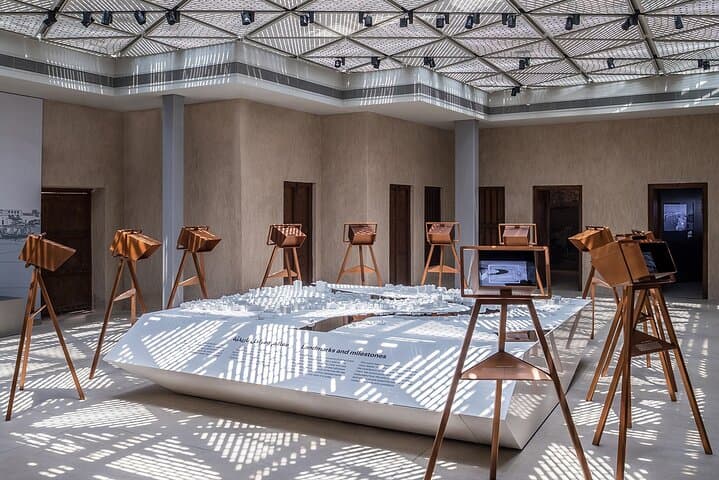
The museum occupies the historic Al Shindagha neighborhood where pearling dhows once tied up and merchants measured fortunes by the tide. Exhibits span the emirate’s maritime economy, the Al Maktoum family residence, and the rapid urban shift from creekside trading post to global city. Underfoot, the shoreline and reclaimed flatlands speak to the region’s coastal geology: tidal channels, sediment deposits, and centuries of human reshaping.
Culturally, the site foregrounds Emirati hospitality and oral history — local guides explain fishing, pearl diving, and traditional crafts in multi-language displays. Nearby, the creek continues to move like a patient storyteller, its abrasions and reflections marking the same water routes used for generations.
Practicalities: the standard visit lasts about 60 minutes and is suited to all fitness levels; exhibits are wheelchair accessible and family-friendly. Peak comfort is in the morning or late afternoon when temperatures are cooler; summer midday can be intense, so plan for hydration and shade. Tickets are mobile-friendly and can be booked in advance to avoid lines, though groups are usually manageable.
Within an hour you’ll leave with a clearer sense of Dubai’s roots — not as an origin myth, but as a tangible network of people, trade, and shoreline that shaped a modern metropolis.
easy.
1 hour.
Suitable for all fitness levels; mostly flat, short walks between exhibits
The standard visit is about 60 minutes; 90 minutes lets you explore exhibits, the Al Maktoum Residence, and nearby viewpoints.
Tickets are mobile or paper and can be refunded if cancelled at least 24 hours before the scheduled time.
Yes — entrances, surfaces, and transportation options stated as wheelchair accessible, with facilities suitable for visitors with limited mobility.
Photography is generally allowed in public galleries, but check signage or ask staff for restrictions in particular rooms or temporary exhibits.
Al Shindagha was a strategic trading and pearling hub; the Al Maktoum Residence there documents the ruling family’s role in the emirate’s development.
The museum is part of broader heritage preservation efforts that stabilize historic structures and promote responsible tourism to protect fabric and community character.
holidayys.ae operates guided outdoor trips and adventures with an emphasis on safety, stewardship, and memorable experiences.
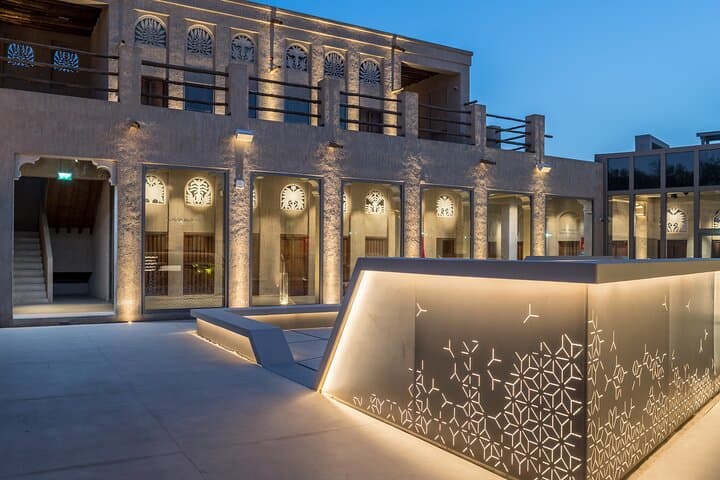
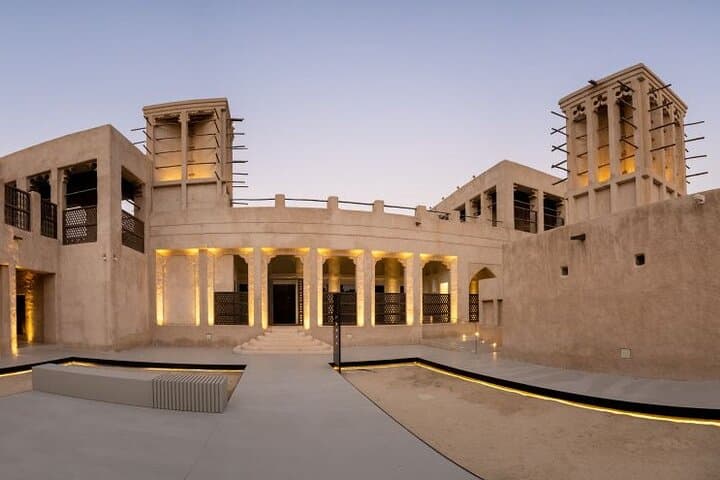
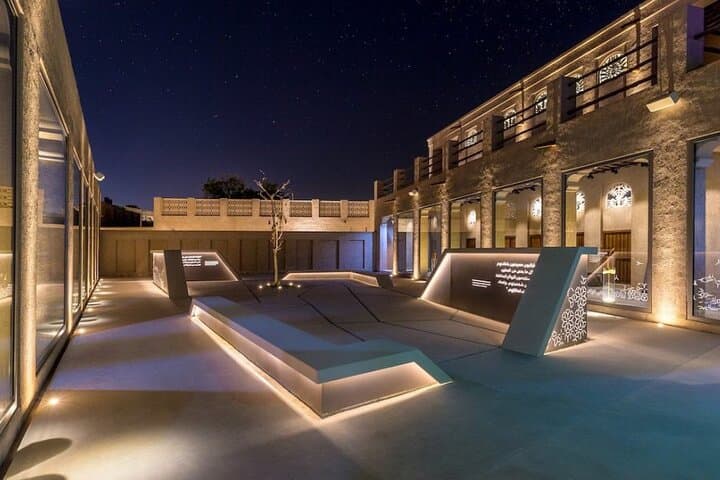
Sunlight slides off the still water of Dubai Creek as you stand before a cluster of low-slung courtyards and restored houses — Al Shindagha’s maze of wind towers and plastered facades reads like an archive in three dimensions.
Sunlight slides off the still water of Dubai Creek as you stand before a cluster of low-slung courtyards and restored houses — Al Shindagha’s maze of wind towers and plastered facades reads like an archive in three dimensions.
The museum occupies the historic Al Shindagha neighborhood where pearling dhows once tied up and merchants measured fortunes by the tide. Exhibits span the emirate’s maritime economy, the Al Maktoum family residence, and the rapid urban shift from creekside trading post to global city. Underfoot, the shoreline and reclaimed flatlands speak to the region’s coastal geology: tidal channels, sediment deposits, and centuries of human reshaping.
Culturally, the site foregrounds Emirati hospitality and oral history — local guides explain fishing, pearl diving, and traditional crafts in multi-language displays. Nearby, the creek continues to move like a patient storyteller, its abrasions and reflections marking the same water routes used for generations.
Practicalities: the standard visit lasts about 60 minutes and is suited to all fitness levels; exhibits are wheelchair accessible and family-friendly. Peak comfort is in the morning or late afternoon when temperatures are cooler; summer midday can be intense, so plan for hydration and shade. Tickets are mobile-friendly and can be booked in advance to avoid lines, though groups are usually manageable.
Within an hour you’ll leave with a clearer sense of Dubai’s roots — not as an origin myth, but as a tangible network of people, trade, and shoreline that shaped a modern metropolis.