THE ADVENTURE COLLECTIVE® · Independent discovery and booking for outdoor travel

Wander the alleys of Jeddah’s Al-Balad to feel the city’s trading past and taste local flavors. This three-hour walking tour mixes historic houses, hidden galleries and souk life with practical tips for navigating the old town.
Wander the alleys of Jeddah’s Al-Balad to feel the city’s trading past and taste local flavors. This three-hour walking tour mixes historic houses, hidden galleries and souk life with practical tips for navigating the old town.
Step off the modern corniche and into Al-Balad, where narrow lanes funnel the day's heat toward shaded courtyards and the Red Sea nudges the old quay like a persistent neighbor. The air carries cardamom and frying dough; wooden lattice windows—rawasheen—watch passersby while vendors call from doorways.
Verified experiences and guided adventures in the surrounding area.
Operated by Muhammad · Jeddah, Makkah Province
Step off the modern corniche and into Al-Balad, where narrow lanes funnel the day's heat toward shaded courtyards and the Red Sea nudges the old quay like a persistent neighbor. The air carries cardamom and frying dough; wooden lattice windows—rawasheen—watch passersby while vendors call from doorways.
Al-Balad dates to the 7th century and was named the royal seaport for Makkah in 657 AD. Its houses were built from coral-stone and gypsum, designed for coastal climate control; Beit Nassif stands as one of the most prominent examples of merchant architecture. The district’s fabric is civic and commercial history—gates, old markets and a string of small museums and galleries that chart Jeddah’s trade links to Africa, India and the Arabian interior.
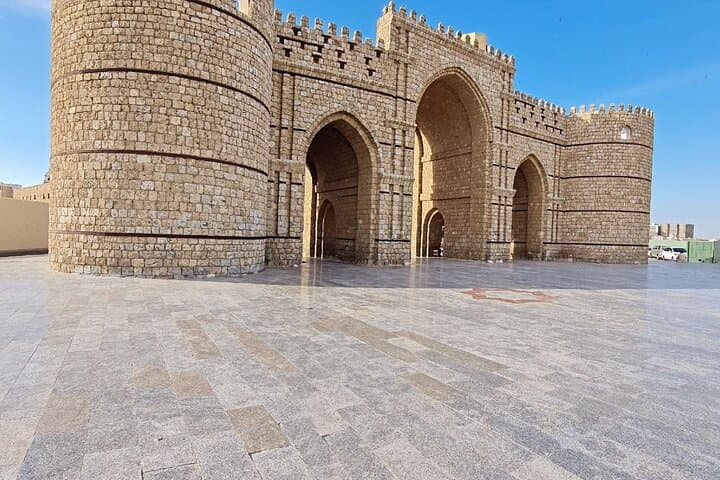
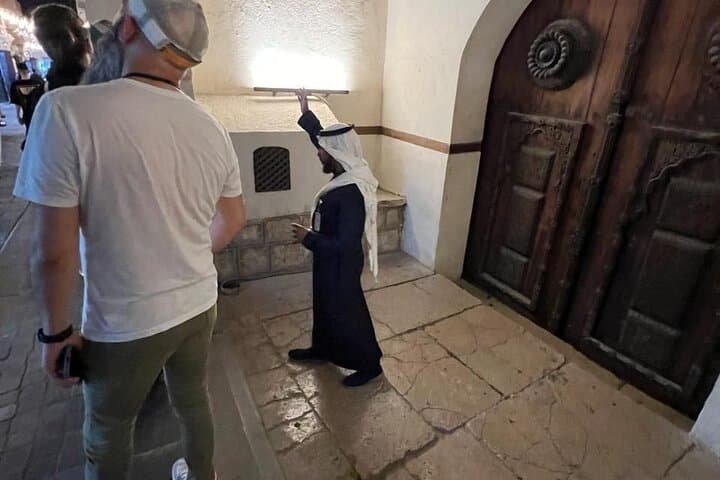
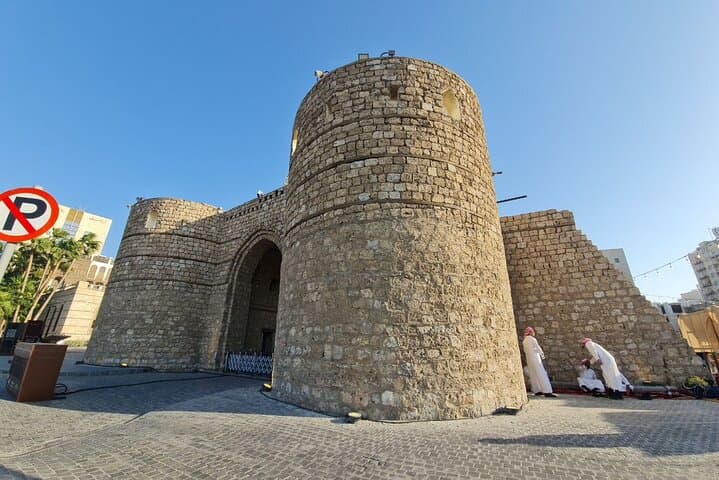
Expect a compact, sensory walking experience: uneven paved alleys, short stairways, and frequent photo stops at Makkah Gate and Nassif House. The tour typically runs about three hours and blends guided storytelling with chances to try local snacks and shop the souk—bartering is common and small denominations of cash are useful.
Practical notes: go early or late to avoid the midday heat; modest, breathable clothing respects local customs; bring a refillable water bottle and comfortable, closed-toe shoes for cobbles and thresholds. Carry a small amount of cash for hawker stalls and tip in local currency. Cameras are welcome but ask before photographing people or inside private homes. Follow the guide’s route to protect fragile stonework and support ongoing conservation efforts—Al-Balad is an active neighborhood, not just a museum.
easy.
3 hours.
Suitable for most fitness levels; participants should be able to walk on uneven surfaces for up to three hours.
The itinerary is approximately three hours, covering key sites in Al-Balad with photo stops and a short break.
The tour includes bottled water and a traditional dinner at a local shop; additional snacks or purchases in the souk are extra.
Some streets and attractions are wheelchair-accessible, but many alleys have steps or uneven surfaces—check with the operator for specific accessibility needs.
Photography is generally allowed in public spaces; always ask permission before photographing people, private homes or inside small businesses.
Founded in the 7th century and declared the royal seaport for Makkah in 657 AD, Al-Balad grew as a trade hub—Beit Nassif is a standout merchant house from that era.
Al-Balad’s coral-stone buildings are subject to restoration projects; visitors should stick to marked paths and avoid touching fragile façades to support preservation.
Muhammad operates guided outdoor trips and adventures with an emphasis on safety, stewardship, and memorable experiences.
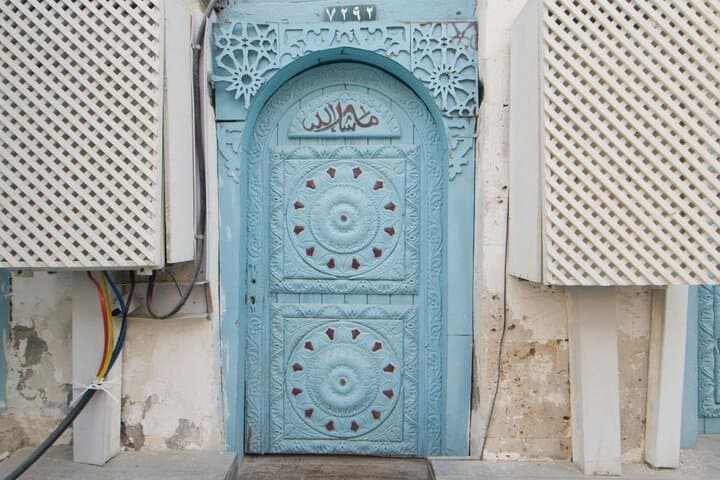
Step off the modern corniche and into Al-Balad, where narrow lanes funnel the day's heat toward shaded courtyards and the Red Sea nudges the old quay like a persistent neighbor. The air carries cardamom and frying dough; wooden lattice windows—rawasheen—watch passersby while vendors call from doorways.
Step off the modern corniche and into Al-Balad, where narrow lanes funnel the day's heat toward shaded courtyards and the Red Sea nudges the old quay like a persistent neighbor. The air carries cardamom and frying dough; wooden lattice windows—rawasheen—watch passersby while vendors call from doorways.
Al-Balad dates to the 7th century and was named the royal seaport for Makkah in 657 AD. Its houses were built from coral-stone and gypsum, designed for coastal climate control; Beit Nassif stands as one of the most prominent examples of merchant architecture. The district’s fabric is civic and commercial history—gates, old markets and a string of small museums and galleries that chart Jeddah’s trade links to Africa, India and the Arabian interior.
Expect a compact, sensory walking experience: uneven paved alleys, short stairways, and frequent photo stops at Makkah Gate and Nassif House. The tour typically runs about three hours and blends guided storytelling with chances to try local snacks and shop the souk—bartering is common and small denominations of cash are useful.
Practical notes: go early or late to avoid the midday heat; modest, breathable clothing respects local customs; bring a refillable water bottle and comfortable, closed-toe shoes for cobbles and thresholds. Carry a small amount of cash for hawker stalls and tip in local currency. Cameras are welcome but ask before photographing people or inside private homes. Follow the guide’s route to protect fragile stonework and support ongoing conservation efforts—Al-Balad is an active neighborhood, not just a museum.