THE ADVENTURE COLLECTIVE® · Independent discovery and booking for outdoor travel

Step into Al-Balad’s living history with a three-hour guided walk through coral-stone houses, markets and hidden courtyards. Learn how Jeddah’s port shaped pilgrimage routes and modern culture while getting practical tips for timing, footing, and respectful photography.
Step into Al-Balad’s living history with a three-hour guided walk through coral-stone houses, markets and hidden courtyards. Learn how Jeddah’s port shaped pilgrimage routes and modern culture while getting practical tips for timing, footing, and respectful photography.
Early morning in Al-Balad feels like the city taking a long, deliberate breath — the Red Sea cools the air while narrow streets gather light between coral-stone houses. A guide leads the group through a patchwork of rawasheen (projecting wooden balconies), spice-scented souks and faded merchant façades; the stones underfoot have been trod by pilgrims and traders for centuries.
Verified experiences and guided adventures in the surrounding area.
Operated by Ayat · Jeddah, Makkah Province
Early morning in Al-Balad feels like the city taking a long, deliberate breath — the Red Sea cools the air while narrow streets gather light between coral-stone houses. A guide leads the group through a patchwork of rawasheen (projecting wooden balconies), spice-scented souks and faded merchant façades; the stones underfoot have been trod by pilgrims and traders for centuries.
Al-Balad rose as Jeddah’s mercantile core and gateway to Mecca. Declared a UNESCO World Heritage Site in 2014, the district’s architecture is built from coral limestone and mangrove timber, a local response to coastal climate and trade winds. Cultural life still orbits small cafés, art galleries and family-run museums like Nassif House, once a prominent merchant residence and now a museum of civic memory.
Walks through Al-Balad are as much about texture as landmarks: cracked lime plaster, carved wooden screens, tiled courtyards and the cadence of market vendors. Zawiya 97 and converted heritage houses showcase contemporary crafts inside centuries-old frames.
Practical note: the tour is three hours on mainly flat, paved streets with some loose flagstones and narrow alleys — suitable for most fitness levels but uneven underfoot in places. Bring sun protection, water and comfortable shoes; mornings and late afternoons avoid the hottest hours. Respect local customs around photography and mosque entrances, and consider small purchases at local shops to support ongoing restoration. This is a walk that rewards attention — watch for hidden doorways, intricate carving and the way the sea’s presence still shapes the city’s rhythms.
easy.
3 hours.
Suitable for most fitness levels; expect up to three hours of standing and walking on uneven pavements
Many areas have been made wheelchair accessible and the tour lists accessibility, but some historic houses have no lifts; check with the operator for specific access needs.
Museum fees are noted as included or specified in the booking details; confirm which heritage house entrances are covered before you go.
Photography of public buildings is generally allowed; always ask permission before photographing people and follow mosque rules about interior photos.
The listing is run by a local certified guide; verify the language offered when booking as availability may vary.
Al-Balad grew as Jeddah’s port and pilgrimage gateway; its coral-stone architecture reflects centuries of Red Sea trade and regional craftsmanship.
Conservation efforts balance heritage restoration with modern pressures; support responsible operators and businesses to help fund maintenance and adaptive reuse.
Ayat operates guided outdoor trips and adventures with an emphasis on safety, stewardship, and memorable experiences.
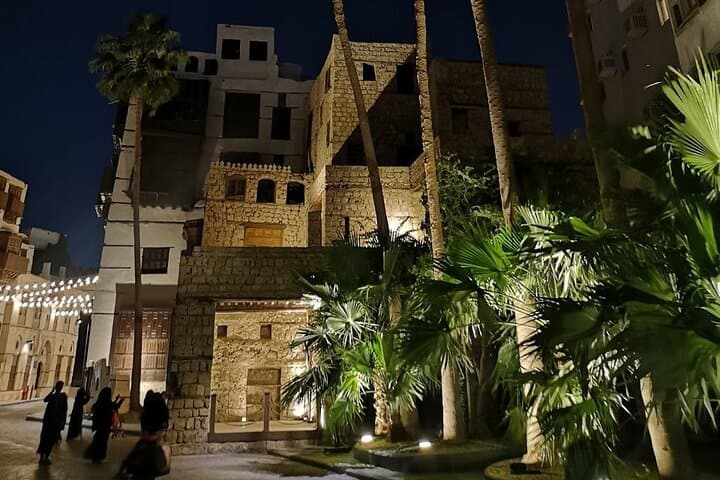
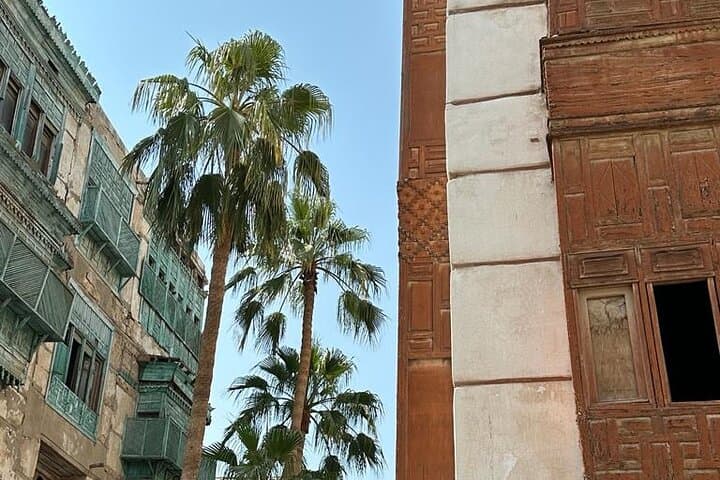
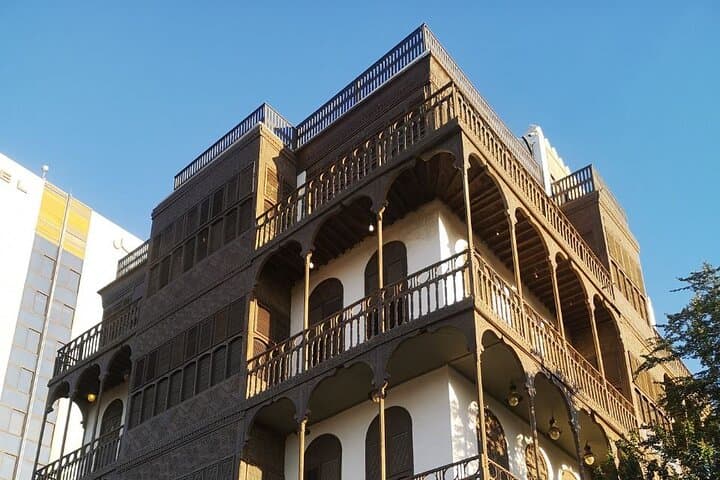
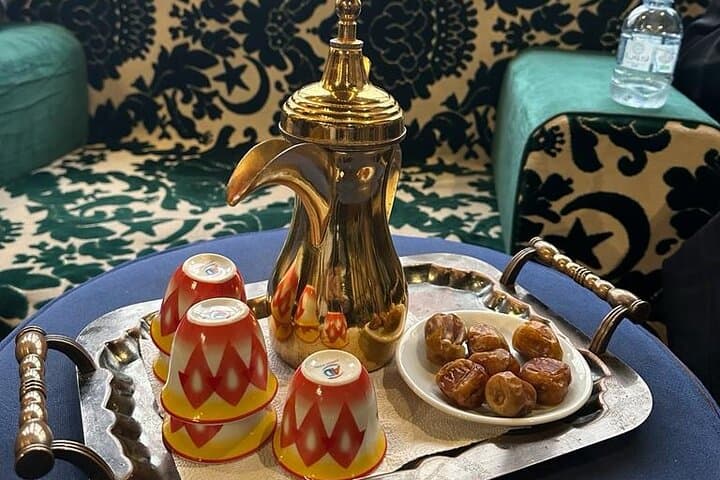
Early morning in Al-Balad feels like the city taking a long, deliberate breath — the Red Sea cools the air while narrow streets gather light between coral-stone houses. A guide leads the group through a patchwork of rawasheen (projecting wooden balconies), spice-scented souks and faded merchant façades; the stones underfoot have been trod by pilgrims and traders for centuries.
Early morning in Al-Balad feels like the city taking a long, deliberate breath — the Red Sea cools the air while narrow streets gather light between coral-stone houses. A guide leads the group through a patchwork of rawasheen (projecting wooden balconies), spice-scented souks and faded merchant façades; the stones underfoot have been trod by pilgrims and traders for centuries.
Al-Balad rose as Jeddah’s mercantile core and gateway to Mecca. Declared a UNESCO World Heritage Site in 2014, the district’s architecture is built from coral limestone and mangrove timber, a local response to coastal climate and trade winds. Cultural life still orbits small cafés, art galleries and family-run museums like Nassif House, once a prominent merchant residence and now a museum of civic memory.
Walks through Al-Balad are as much about texture as landmarks: cracked lime plaster, carved wooden screens, tiled courtyards and the cadence of market vendors. Zawiya 97 and converted heritage houses showcase contemporary crafts inside centuries-old frames.
Practical note: the tour is three hours on mainly flat, paved streets with some loose flagstones and narrow alleys — suitable for most fitness levels but uneven underfoot in places. Bring sun protection, water and comfortable shoes; mornings and late afternoons avoid the hottest hours. Respect local customs around photography and mosque entrances, and consider small purchases at local shops to support ongoing restoration. This is a walk that rewards attention — watch for hidden doorways, intricate carving and the way the sea’s presence still shapes the city’s rhythms.