THE ADVENTURE COLLECTIVE® · Independent discovery and booking for outdoor travel

Descend from Riyadh into Ain Heet’s eye-shaped mouth and find an underground lake and limestone chambers carved by ancient waters. This 5–6 hour small-group tour offers easy access to one of Saudi Arabia’s most photographed wild caves.
Descend from Riyadh into Ain Heet’s eye-shaped mouth and find an underground lake and limestone chambers carved by ancient waters. This 5–6 hour small-group tour offers easy access to one of Saudi Arabia’s most photographed wild caves.
You step out of the air-conditioned van and the desert wind rearranges the scrub; a low mound of limestone blinks like an eye ahead. The entrance to Ain Heet sits at the face of Mount Al Jubayl, a round aperture that narrows into cooler air and the distant sound of dripping. Inside the cavity, sunlight gives way to a muted palette of stone and an underground pool that holds a slow, reflective calm.
Verified experiences and guided adventures in the surrounding area.
Operated by Ramasside Tours · Riyadh, Riyadh Province
You step out of the air-conditioned van and the desert wind rearranges the scrub; a low mound of limestone blinks like an eye ahead. The entrance to Ain Heet sits at the face of Mount Al Jubayl, a round aperture that narrows into cooler air and the distant sound of dripping. Inside the cavity, sunlight gives way to a muted palette of stone and an underground pool that holds a slow, reflective calm.
Geologically, Ain Heet is a karst cavity carved from Jurassic limestone — chambers formed where groundwater chewed through seams and left voids filled with deep, clear water. Locals in the Heet village long treated the spring as a seasonal resource; the name ‘Ain’ literally means eye, describing the circular mouth that peers from the hillside. The cave has become a modern curiosity for Riyadh residents looking for a short, dramatic escape from the city.
Expect a steep descent (roughly 300–500 meters of path length with significant grade changes), uneven rock, and a cool interior. Photography opportunities are strong: reflections on the lake, layered stalactites, and the narrow throat of the entrance. The site is family-friendly but requires attention on the slope and near ledges.
Practical guidance: wear sturdy, closed-toe shoes with grip, bring at least 1–2 liters of water, a reliable headlamp, and a light layer as temperatures drop inside. Go with a guide or group who knows the route; mobile signal is inconsistent. Morning visits are best for stable light and cooler surface temperatures. Leave no trace—pack out any trash and avoid touching formations to preserve the cave’s slow, patient growth.
moderate.
5–6 hours.
Suitable for most fitness levels but requires steady footing and basic stamina for a steep descent and return ascent.
The guided visit and transfers take about 5–6 hours total; time inside the cave is often 45–60 minutes depending on group pace.
Yes—families commonly visit, but children should be supervised on the steep approach and near the water.
Swimming is generally discouraged unless explicitly allowed by your guide and safety measures are in place; water depth and conditions vary.
Signal is intermittent near the village and generally poor inside the cave; plan logistics before arrival and inform your guide of any needs.
Ain Heet has long been known to local villagers as a seasonal spring; its limestone chambers formed over millennia as groundwater dissolved bedrock.
Cave formations grow extremely slowly—avoid touching speleothems and pack out all waste; group sizes are kept small to minimize impact.
Ramasside Tours operates guided outdoor trips and adventures with an emphasis on safety, stewardship, and memorable experiences.
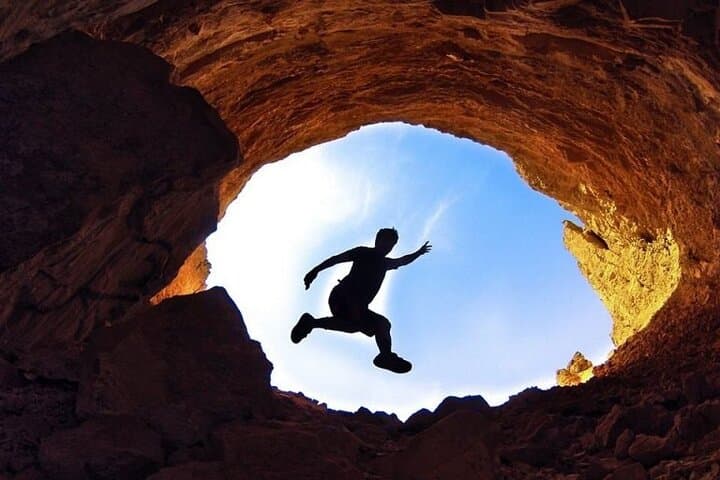
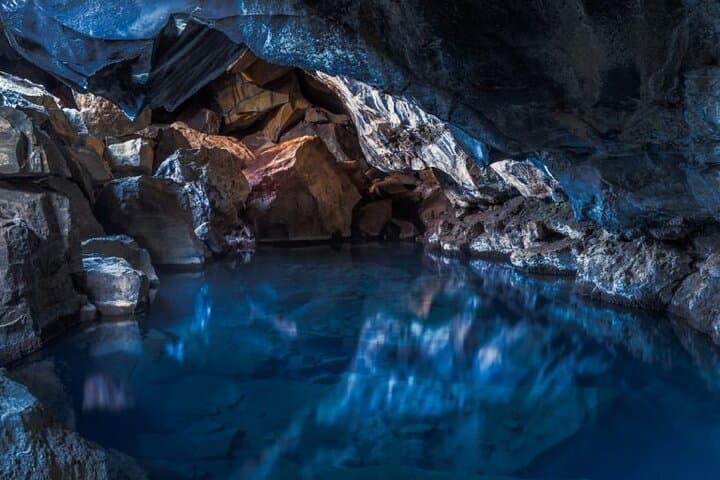
You step out of the air-conditioned van and the desert wind rearranges the scrub; a low mound of limestone blinks like an eye ahead. The entrance to Ain Heet sits at the face of Mount Al Jubayl, a round aperture that narrows into cooler air and the distant sound of dripping. Inside the cavity, sunlight gives way to a muted palette of stone and an underground pool that holds a slow, reflective calm.
You step out of the air-conditioned van and the desert wind rearranges the scrub; a low mound of limestone blinks like an eye ahead. The entrance to Ain Heet sits at the face of Mount Al Jubayl, a round aperture that narrows into cooler air and the distant sound of dripping. Inside the cavity, sunlight gives way to a muted palette of stone and an underground pool that holds a slow, reflective calm.
Geologically, Ain Heet is a karst cavity carved from Jurassic limestone — chambers formed where groundwater chewed through seams and left voids filled with deep, clear water. Locals in the Heet village long treated the spring as a seasonal resource; the name ‘Ain’ literally means eye, describing the circular mouth that peers from the hillside. The cave has become a modern curiosity for Riyadh residents looking for a short, dramatic escape from the city.
Expect a steep descent (roughly 300–500 meters of path length with significant grade changes), uneven rock, and a cool interior. Photography opportunities are strong: reflections on the lake, layered stalactites, and the narrow throat of the entrance. The site is family-friendly but requires attention on the slope and near ledges.
Practical guidance: wear sturdy, closed-toe shoes with grip, bring at least 1–2 liters of water, a reliable headlamp, and a light layer as temperatures drop inside. Go with a guide or group who knows the route; mobile signal is inconsistent. Morning visits are best for stable light and cooler surface temperatures. Leave no trace—pack out any trash and avoid touching formations to preserve the cave’s slow, patient growth.